**How Traditional “Girlboss” Culture Sabotages Genuine Female Leadership and What to Embrace Instead**
**Introduction**
Introduction
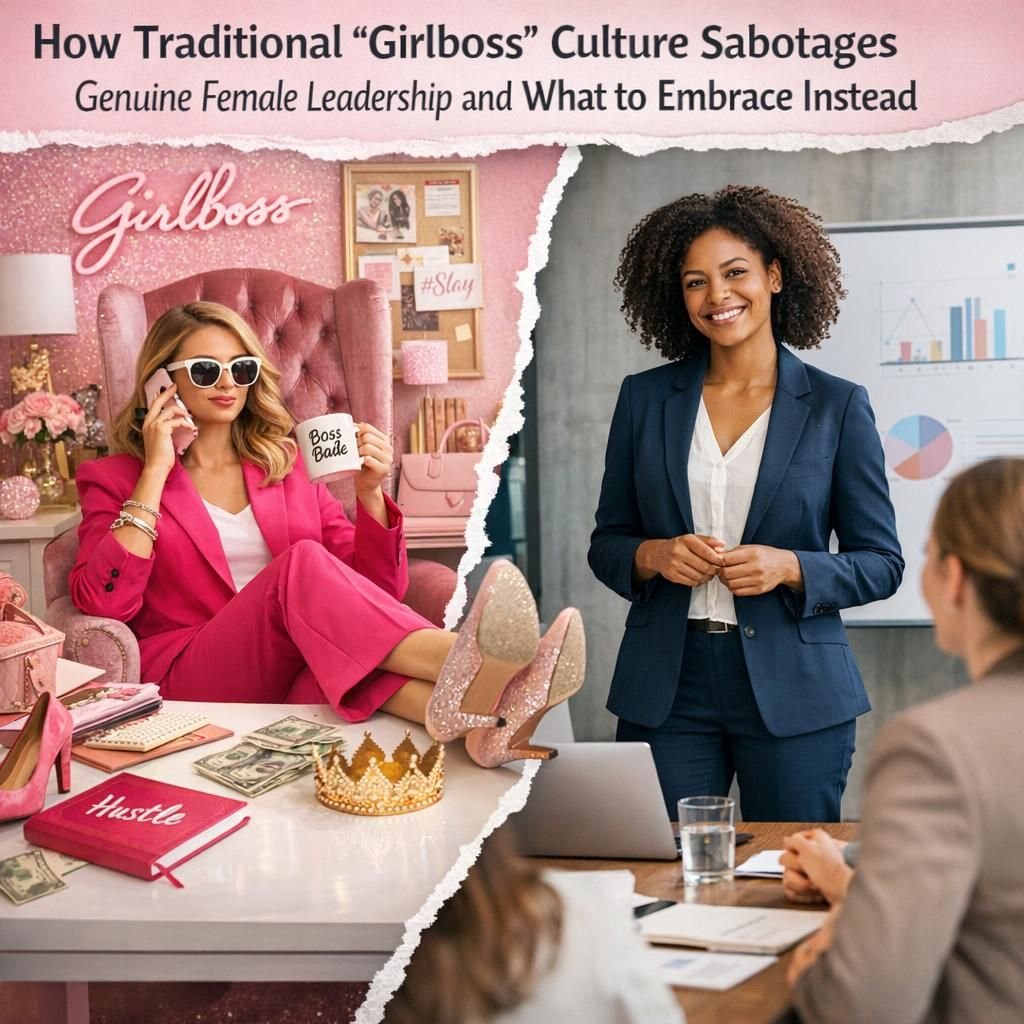
In recent years, the term **”Girlboss”** has gained popularity across social media and professional circles, embodying empowerment within female leadership. Coined by **Sophia Amoruso** in her 2014 autobiography “#GIRLBOSS,” the term was intended to inspire women to pursue their business aspirations confidently. However, as its cultural narrative has evolved, it has revealed a more problematic undercurrent. While often used to represent powerful, successful women, the concept has been criticized for reducing complex notions of leadership and success to marketable stereotypes.
At the core of the Girlboss critique is the subtle perpetuation of traditional corporate metrics of success—often **male-defined** and rooted in hierarchical structures. This approach tends to prioritize individualism over communal progress, cloaking deeper issues of equality with catchy slogans and aesthetics. Moreover, it often inadvertently capitalizes on **feminism** rather than genuinely advocating for structural change. As the business world slowly becomes more inclusive, the shallow aspirations of the “Girlboss” brand can sometimes undermine genuine efforts for equitable leadership by reinforcing narrow ideas of success, which do not necessarily lead to systemic empowerment or progress.
The obsession with the Girlboss archetype can create pressure on women to conform to a specific leadership mold characterized by relentless ambition, workaholism, and a façade of flawless success. It often dismisses values like empathy, collaboration, and vulnerability, which are essential for a transformative and inclusive style of leadership. As we navigate the dynamic terrain of modern professional environments, it’s crucial to rethink leadership frameworks and embrace more meaningful and authentic avenues. By moving beyond the Girlboss stereotype, we can foster environments that celebrate varied and dynamic leadership qualities, encouraging a more nuanced and holistic representation of what it means to be a leader.
Features
Professional and academic studies suggest that adopting more inclusive and varied leadership approaches increases overall **business performance** and employee satisfaction. A study from **Harvard Business Review** emphasizes that diverse leadership teams are linked to higher profitability. Having different perspectives at the leadership level contributes to balanced decision-making processes, fostering innovation and resilience ([Harvard Business Review Study](https://hbr.org)).
Additionally, the **Center for Creative Leadership** identifies key qualities prevalent in female leaders, like empathy, communication, and collaboration. These qualities often stand in contrast to traditional corporate leadership paradigms, which can be aggressive and individualistic. Research suggests that when these more inclusive attributes are integrated into leadership models, organizations see increased teamwork, morale, and job satisfaction among employees ([Center for Creative Leadership Study](https://www.ccl.org)).
A recent study published in the **Journal of Business Ethics** found that women who adopt communal leadership styles—emphasizing community, mutual support, and ethical standards—encourage more open and transparent corporate environments. This approach not only attracts diverse talent but also encourages retention, promoting sustainable growth from within ([Journal of Business Ethics](https://link.springer.com)).
Furthermore, relevant psychological research indicates that leadership based on empathy and emotional intelligence can enrich employee engagement. Bestselling author and research professor **Brené Brown** argues for the importance of vulnerability in leadership in her book, “Dare to Lead.” She posits that vulnerability fosters trust and creativity, critical elements for adaptive and successful teams ([Brené Brown’s Dare to Lead](https://brenebrown.com)). By moving away from rigid leadership stereotypes, organizations can unlock their true potential, harnessing diverse talent and creativity in ways that drive vibrant growth.
By embracing these inclusive leadership models, businesses not only build internally strong and aligned teams, but they also reflect those values externally—in their brand positioning and consumer interactions, creating a coherent and integral business ethos that is appealing and relatable to today’s value-oriented consumers.
Conclusion
Rethinking leadership frameworks beyond the limiting tropes of the “Girlboss” is key to empowering women authentically and sustainably in professional spaces. By valuing empathy, inclusivity, and vulnerability, organizations can foster environments that not only promote gender equality but enhance overall excellence. Let’s embrace leadership rooted in collaboration and diversity—a development that stands to revolutionize corporate establishments and further integrate genuine female leadership into the broader cultural narrative.
**Concise Summary**
Rethinking traditional “Girlboss” culture is crucial for promoting genuine female leadership. The concept, while initially empowering, can reinforce narrow stereotypes that undermine true empowerment and systemic change. Embracing a leadership style that values empathy, collaboration, and vulnerability offers more inclusive and effective paths for leadership. Studies from institutions like Harvard Business Review and the Center for Creative Leadership show that diverse leadership teams excel in performance and employee satisfaction. By moving beyond stereotyping, businesses can nurture dynamic leadership qualities, fostering environments that champion equality and drive vibrant growth.

Dominic E. is a passionate filmmaker navigating the exciting intersection of art and science. By day, he delves into the complexities of the human body as a full-time medical writer, meticulously translating intricate medical concepts into accessible and engaging narratives. By night, he explores the boundless realm of cinematic storytelling, crafting narratives that evoke emotion and challenge perspectives. Film Student and Full-time Medical Writer for ContentVendor.com