**
Introduction:
**
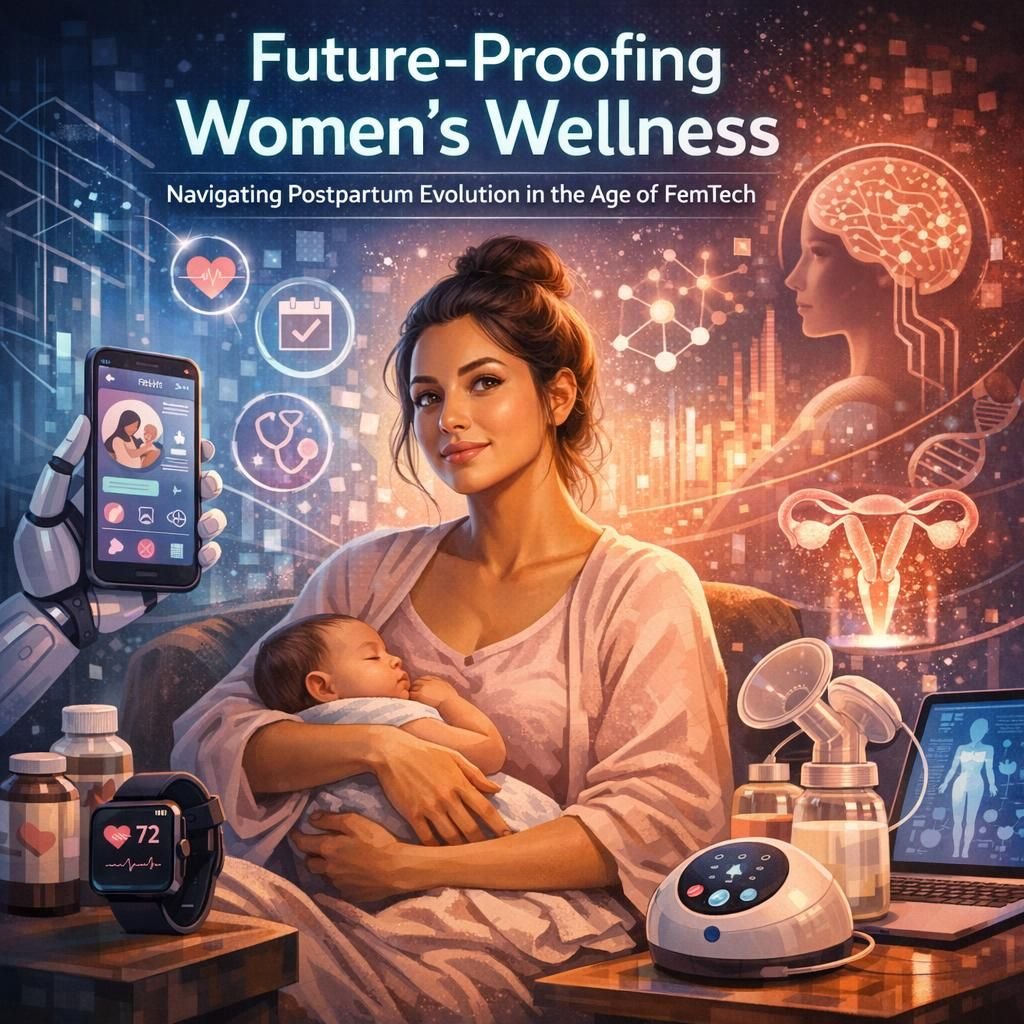
In the age of technological innovation, the intersection of **FemTech** and **maternal health** is presenting unprecedented opportunities for enhancing **women’s wellness**, particularly in the **postpartum** period. Postpartum is a critical phase that demands nuanced understanding and support, blending both physical recuperation and mental health adjustments. Today’s mothers are not only juggling the substantial responsibilities that come with bringing a new life into the world but are also facing a rapidly changing landscape of healthcare possibilities.
**FemTech**, an acronym for female technology, refers to software, diagnostics, and products that focus on women’s health. The sector has skyrocketed in recent years, driven by increased advocacy for **gender-specific health solutions** and the recognition that **women’s health needs** have been underrepresented in traditional medical research and product design. From wearables that track postpartum recovery metrics to apps offering mental health support, FemTech is empowering women in their personal health journeys with precision and **personalization** that were unimaginable in the past.
As societal norms continue to shift towards acceptance and support of **maternal mental health**, this technological evolution offers women the tools to better understand and manage postpartum transformations. Companies within the FemTech space are designing products that are not only data-driven but also empathetically crafted to cater to the nuanced challenges that new mothers face. Solutions such as **virtual lactation consultations**, smart breast pumps with **AI technology**, and mental health platforms offering **cognitive behavioral therapy** are just a few examples of innovations set to redefine postpartum care.
However, with these advancements come critical considerations regarding **data privacy**, access, and inclusivity, as not all women have equal exposure to these technologies. It’s essential to consider how these solutions are being integrated into broader healthcare systems to ensure that all mothers can benefit from such advancements and that these technologies do not widen healthcare disparities. As we step into the future, harnessing the potential of FemTech to support postpartum women can contribute significantly to future-proofing women’s wellness, offering sustainable and inclusive health solutions.
**
Features:
**
Recent medical studies underscore the importance of tailored postpartum care and the potential benefits that integrating FemTech might have. A significant study published in the journal *Lancet Digital Health* indicates that **digital health tools** have the potential to improve maternal health outcomes by enabling **personalized care pathways** and increasing accessibility to vital health information [source](https://www.thelancet.com/journals/landig/).
Advanced tracking systems for monitoring physiological parameters such as **heart rate variability**, **hormone levels**, and **sleep patterns** provide invaluable data that can aid healthcare professionals in predicting and managing postpartum issues. For instance, research has shown that keeping a close eye on these metrics can preemptively address conditions like **postpartum depression** and **anxiety**, by allowing for timely interventions [source](https://jamanetwork.com/journals/jamanetworkopen).
Moreover, FemTech is actively addressing the gap in **breastfeeding support**. Innovations like **smart breast pumps** are enabling new mothers to track milk output and feeding times, while also offering data-driven insights into **breastfeeding habits**. Companies such as **Willow** and **Elvie** have pioneered in creating user-friendly devices that sync seamlessly with mobile apps, empowering mothers with real-time data analysis that can help inform feeding choices [source](https://www.ncbi.nlm.nih.gov/pmc/articles/PMC7731013/).
**Mental health**, often an overlooked yet critical aspect of postpartum care, is receiving robust attention from the FemTech industry. **Cognitive behavioral therapy (CBT)** and **mindfulness apps** have been adapted to specifically address postpartum mental health challenges. A study conducted by the *National Institutes of Health* (NIH) has validated the effectiveness of **internet-based CBT programs** in reducing symptoms of postpartum depression and anxiety, thereby offering an accessible solution for new mothers who may be unable to attend in-person therapy sessions [source](https://www.ncbi.nlm.nih.gov/pmc/articles/PMC7360032/).
By leveraging technology, FemTech is not just reshaping how healthcare is delivered but also enhancing the agency that women have over their health during one of life’s most transformative phases. The amalgamation of data, technology, and empathetic design holds the promise to not only bridge existing gaps in postpartum care but also to pave the way for future innovations that align closely with the needs of all women.
**
Conclusion:
**
As the postpartum journey continues to evolve in tandem with **technological advances**, the potential for FemTech to revolutionize **postpartum care** is limitless. By embracing these innovations, we can ensure that new mothers have access to the tools and support they need to foster both their physical and mental well-being. As we embrace this new era of maternal care, the collaboration between technology, healthcare providers, and mothers themselves will be fundamental in creating an inclusive and supportive wellness ecosystem.
—
**Concise Summary:**
The integration of **FemTech** in maternal health offers transformative gains for **postpartum wellness**, providing tailored support through innovations like **digital health tools**, **smart breast pumps**, and **CBT apps**. These innovations afford women the ability to monitor physiological and mental health changes with precision. However, challenges of **data privacy** and inclusivity must be addressed to prevent widening healthcare disparities. By aligning with evolving social norms about maternal care, FemTech promises to revolutionize postpartum care, enabling inclusive access to personalized healthcare solutions and supporting women’s physical and mental well-being.

Dominic E. is a passionate filmmaker navigating the exciting intersection of art and science. By day, he delves into the complexities of the human body as a full-time medical writer, meticulously translating intricate medical concepts into accessible and engaging narratives. By night, he explores the boundless realm of cinematic storytelling, crafting narratives that evoke emotion and challenge perspectives. Film Student and Full-time Medical Writer for ContentVendor.com