Bioidentical Hormones vs Traditional HRT: A Guide to Elevated Wellness
Introduction
In the era of high-performance wellness and luxury living, longevity and vitality are more than goals—they’re lifestyle statements. High-powered professionals, glamorous globetrotters, and aspirational women seek not only to look and feel their best but also to maintain optimum health as they age. Among today’s top-tier health interventions, hormone therapy is experiencing a refined reinvention. Once a strictly clinical conversation, hormone therapy is now a trending topic among luxury wellness enthusiasts who want to curate their well-being with precision and personalization. Whether navigating the subtleties of perimenopause, or investing in preventive longevity measures, understanding the nuances between Bioidentical Hormone Replacement Therapy (BHRT) and Traditional Hormone Replacement Therapy (HRT) is essential for making an informed, elevated choice.
Hormonal decline is an inevitable part of aging. The symptoms—fatigue, brain fog, insomnia, hot flashes, weight gain, and low libido—can be deeply disruptive to the high-tempo lifestyle that defines many women’s ambitions and realities. BHRT and Traditional HRT offer two distinct approaches to restoring hormonal balance and reinvigorating daily energy levels. What differentiates them is not merely their origins, but their biochemical makeup, delivery methods, safety profiles, and philosophical approaches to aligning the body’s natural rhythms.
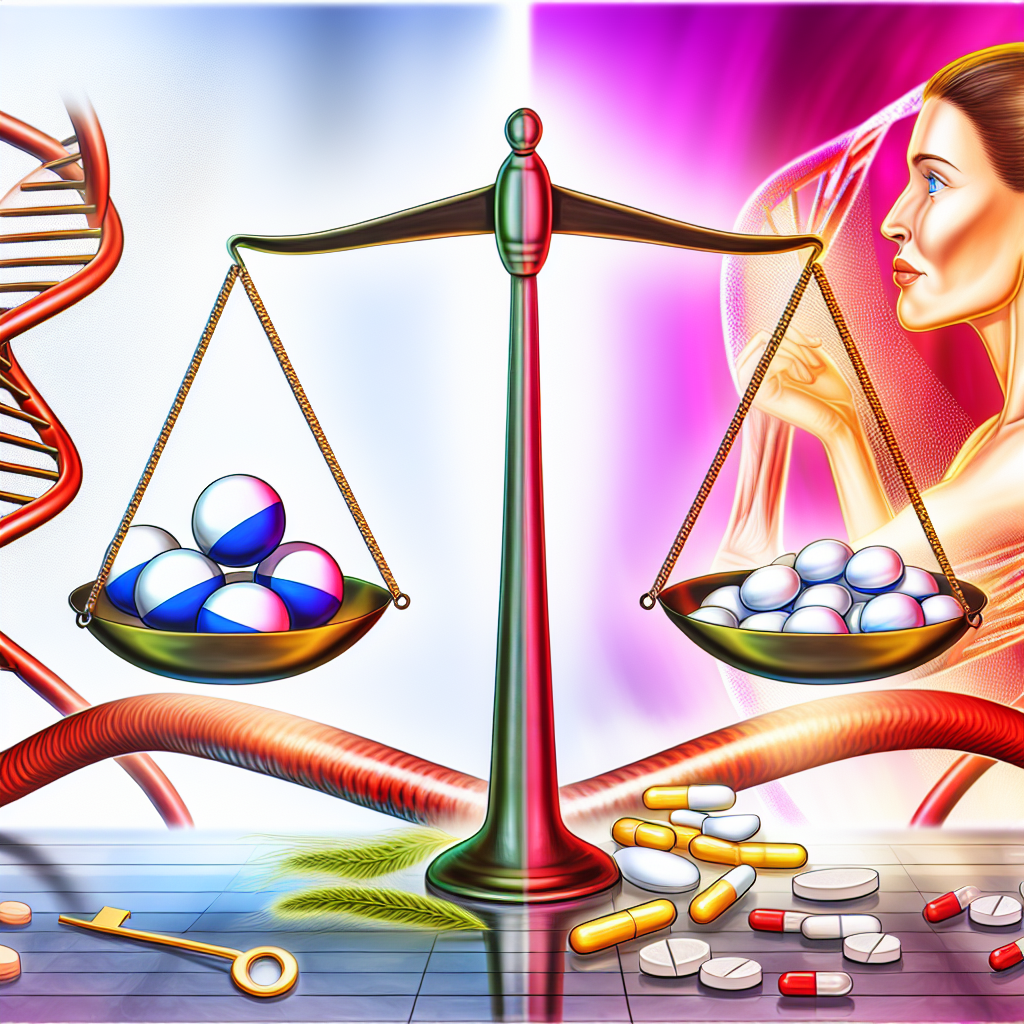
Bioidentical hormones are molecularly identical to those the body naturally produces. Compounded from plant-based estrogens, they are custom-formulated to match an individual’s hormonal needs. Traditional HRT typically uses synthetic hormones or derivatives sourced from animal estrogen, such as conjugated equine estrogens. While both methods aim to rebalance estrogen, progesterone, and sometimes testosterone, their suitability varies depending on personal health markers, goals, and lifestyle preferences.
This guide is tailored to the discerning wellness consumer who desires not just to stave off aging, but to do so with elegance, efficacy, and wisdom. Here, we will explore the core differences between bioidentical hormones and traditional HRT, break down the medical science, and provide insight into which solution may be best for a high-achieving, health-optimized life.
Features and Scientific Insights
A growing body of clinical research has explored the impact and efficacy of both bioidentical hormones and traditional hormone therapy. One of the key distinctions lies in their molecular composition. Bioidentical hormones mimic the exact hormone molecules produced by the human body, such as estradiol, estriol, and progesterone. This “molecular match” is believed by many in the integrative wellness field to produce fewer side effects and potentially lower long-term risks compared to synthetic alternatives.
A landmark review published in the journal Postgraduate Medicine concluded that bioidentical hormones are associated with lower risks of breast cancer and cardiovascular disease than conventional HRT. The review also noted that many patients report greater satisfaction with BHRT, attributing it to improved symptom management and fewer side effects such as bloating and mood swings ([Holtorf, 2009](https://www.ncbi.nlm.nih.gov/pmc/articles/PMC3127562/)).
Traditional HRT, often prescribed in the form of oral tablets or transdermal patches, includes formulations like Premarin, which is derived from pregnant mare urine. These therapies have long been FDA-approved and are effective in reducing menopausal symptoms for many women. However, significant concerns arose after findings from the Women’s Health Initiative (WHI) trials in the early 2000s, which linked long-term use of some synthetic hormones to an increased risk of breast cancer, stroke, and blood clots ([WHI Study, NIH](https://www.nhlbi.nih.gov/science/womens-health-initiative-whi)).
Bioidentical hormones, particularly when administered as transdermal pellets, vaginal inserts, or topical creams, bypass the liver’s first-pass metabolism. This may result in more stable hormone levels and decreased risks of clotting and liver toxicity. Furthermore, delivery methods like pellet therapy offer continuous dosage, reducing fluctuations and resulting in improved mood, sleep, and energy levels.
It’s important to emphasize that while compounded bioidentical hormones offer a highly personalized approach, they are not FDA-approved. This raises questions about standardization, safety, and quality control. Nevertheless, for individuals seeking a bespoke therapeutic experience, compounded BHRT remains a compelling option. Clinics offering luxury wellness programs often pair hormone balancing with micronutrient infusions, lifestyle protocols, and precision diagnostics, creating a holistic ecosystem for age management.
Prominent integrative physicians like Dr. Erika Schwartz argue that BHRT represents the next chapter in women’s preventive health care. As seen in leading European longevity clinics and increasingly in U.S. wellness destinations, bioidentical hormones are now standard offerings in full-spectrum rejuvenation programs ([Dr. Erika Schwartz](https://www.drerika.com/)).
In a 2017 study published by The Journal of Clinical Endocrinology & Metabolism, researchers found that transdermal estradiol was associated with a neutral—or potentially favorable—cardiovascular risk profile, distinguishing it from some oral hormone versions ([Journal of Clinical Endocrinology & Metabolism, 2017](https://academic.oup.com/jcem/article/102/4/1267/2882834)).
Conclusion
Navigating the choice between bioidentical hormones and traditional HRT isn’t just a healthcare decision—it’s a reflection of one’s wellness philosophy. For individuals who prioritize personalization, optimal longevity, and minimized side effects, BHRT offers elegant alignment with today’s luxury wellness lifestyle. For others, the proven efficacy and FDA oversight of traditional hormone therapies might offer greater reassurance.
Ultimately, both therapies share the same objective: to restore hormonal harmony, enhance quality of life, and support vibrant aging. With thoughtful consultation and personalized evaluation, women can select a strategy that supports mind, body, and ambition—empowering them to thrive not just in their 40s and 50s, but well into the decades beyond.
References
– Holtorf, K. (2009). The Bioidentical Hormone Debate: Are Bioidentical Hormones (Estradiol, Estriol, and Progesterone) Safer or More Efficacious Than Commonly Used Synthetic Versions in Hormone Replacement Therapy? Postgraduate Medicine. [Read the Study](https://www.ncbi.nlm.nih.gov/pmc/articles/PMC3127562/)
– U.S. National Institutes of Health: Women’s Health Initiative Study Overview. [Read the Report](https://www.nhlbi.nih.gov/science/womens-health-initiative-whi)
– L’Hermite, M., et al. (2017). Optimizing Menopausal Hormone Therapy: A CME Program. The Journal of Clinical Endocrinology & Metabolism. [Read the Study](https://academic.oup.com/jcem/article/102/4/1267/2882834)
– Erika Schwartz, MD. Integrative Medicine Expert and Author of The Hormone Solution. [Official Website](https://www.drerika.com/)
Concise Summary
Bioidentical Hormone Replacement Therapy (BHRT) and Traditional Hormone Replacement Therapy (HRT) differ in molecular structure, source, and therapeutic delivery. BHRT uses plant-based compounds identical to human hormones and is often customized, offering symptom relief with potentially fewer side effects. Traditional HRT, typically synthetic and FDA-regulated, has a longer track record but comes with risks highlighted by the Women’s Health Initiative. For wellness-conscious women pursuing personalized, long-term vitality strategies, BHRT aligns with modern preferences for elegance, efficacy, and safety. However, clinical consultation remains crucial in determining the best fit for individual hormonal needs and health goals.

Dominic E. is a passionate filmmaker navigating the exciting intersection of art and science. By day, he delves into the complexities of the human body as a full-time medical writer, meticulously translating intricate medical concepts into accessible and engaging narratives. By night, he explores the boundless realm of cinematic storytelling, crafting narratives that evoke emotion and challenge perspectives. Film Student and Full-time Medical Writer for ContentVendor.com