Why Syncing Your Leadership Style with Hormonal Cycles Could Revolutionize Your Career
In the realm of **luxury living** and **high-powered careers**, every edge matters. As leaders navigating the demanding terrain of high-stakes decision-making, there’s a burgeoning conversation about the influence of **biological rhythms** on **leadership efficacy**. Enter the concept of syncing **leadership styles** with **hormonal cycles**—a revolutionary approach that might just elevate your career to unprecedented heights.
**Hormones** have long been recognized for their pivotal role in influencing mood, energy levels, and behavior. Yet, in the corporate world, where strategies and calculations dominate, **biological rhythms** have often been overlooked. The key to unlocking a more effective leadership style may lie within our own biology. Synchronizing your leadership style with your natural **hormonal cycles** could offer a bespoke approach to optimizing performance, boosting productivity, and enhancing **emotional intelligence** in the workplace.
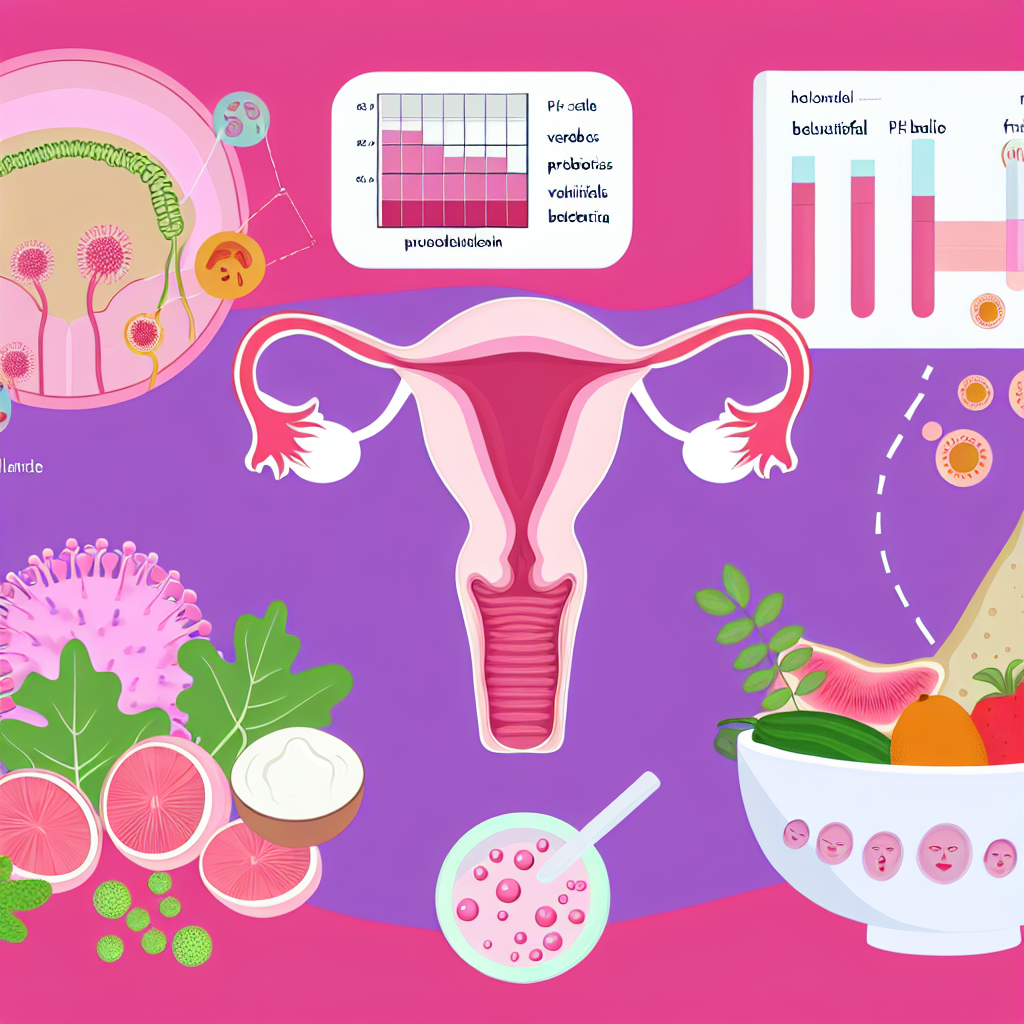
Consider the classical **28-day hormonal cycle** most commonly discussed among women, though men experience their own set of **hormonal fluctuations**. These **biological cycles** can greatly impact cognitive function, **emotional intelligence**, and interpersonal communication, among other key aspects of leadership. Aligning your leadership approach with these natural fluctuations can foster environments that are more empathetic, responsive, and inclusive—hallmarks of truly transformative leadership.
The potential benefits are multifaceted. Firstly, leaders who tailor their strategies in accordance with **hormonal phases** might exhibit increased self-awareness, which translates into greater **emotional intelligence**—an essential trait for successful leadership. Understanding when you’re at your peak creativity or when you should double down on analytical tasks can maximize productivity and decrease burnout.
Moreover, by acknowledging and utilizing these natural cycles, leaders can cultivate deeper connections with their teams, promoting an ethos of empathy and authenticity. Employees are likely to respond more positively when they feel understood and valued, leading to a more harmonious and productive workplace.
Features Section: What the Studies Say
Emerging research underscores the significance of **hormonal cycles** in personal and professional settings. One study published in the Journal of Managerial Psychology highlighted the impact of hormonal fluctuations on **decision-making** and emotional regulation. The research suggests that by being attuned to these biological rhythms, leaders can enhance their decision-making processes, thereby leading more effectively. Furthermore, the Harvard Business Review has discussed the benefits of leaders who exhibit high **emotional intelligence**, underscoring the importance of self-awareness—a trait that can be honed by understanding one’s own hormonal impacts. Leaders who are in tune with their body’s natural rhythms are better equipped to manage stress, relate to colleagues empathetically, and navigate complex interpersonal dynamics with finesse.
Additionally, a report from The Leadership Quarterly explored how aligning work strategies with **hormonal cycles** can boost **cognitive performance** and workplace efficiency. It revealed that recognizing and capitalizing on periods of high energy and mental clarity can lead to improved problem-solving skills and innovative thinking.
While much of the available research focuses primarily on the menstrual cycle, there is growing interest in understanding how male hormonal cycles also play a role in **leadership dynamics**. The Biological Psychology journal has documented the concept of the **circadian rhythm** in males, indicating that testosterone levels can fluctuate daily, influencing mood, energy levels, and cognitive function.
By connecting these insights to leadership practices, there is potential for not only enhanced individual performance but also for creating a work culture that values and leverages biological diversity.
Conclusion: A Future of Rhythmic Leadership
Incorporating **hormonal cycles** into your leadership strategy might just be the avant-garde move needed to guide your career into a new era of success. By tapping into this natural rhythm, leaders can foster a more intimate connection with intuition and cultivate a finely-tuned **emotional intelligence**. As the conversation continues to gain traction, the future workforce may very well be defined by leaders who embrace this synergy of biology and leadership for a richer, more adaptive professional journey.
**References**
– Journal of Managerial Psychology. (SpringerLink)
– Harvard Business Review. (HBR)
– The Leadership Quarterly. (ScienceDirect)
– Biological Psychology. (Elsevier)
**Concise Summary**
Syncing leadership with hormonal cycles is an emerging concept that proposes aligning leadership styles with natural biological rhythms to enhance performance. By understanding and utilizing hormonal fluctuations, leaders can increase emotional intelligence, optimize productivity, and foster more empathetic, responsive workplace environments. Research supports the impact of these cycles on decision-making and cognitive performance, advocating for leadership strategies that embrace biological diversity. This innovative approach could redefine effective leadership, offering a path to greater personal success and more harmonious professional relationships.

Dominic E. is a passionate filmmaker navigating the exciting intersection of art and science. By day, he delves into the complexities of the human body as a full-time medical writer, meticulously translating intricate medical concepts into accessible and engaging narratives. By night, he explores the boundless realm of cinematic storytelling, crafting narratives that evoke emotion and challenge perspectives. Film Student and Full-time Medical Writer for ContentVendor.com