Intimacy Restoration After Health Challenges
Introduction
Luxury is no longer simply defined by tangible items—handcrafted leather, silk sheets, or private jets—but also by the ability to deeply connect with oneself and others. After a health challenge such as chronic illness, surgery, or emotional trauma, intimacy may feel like a forgotten indulgence. Yet for those committed to living fully—even in the lingering shadows of recovery—the restoration of sensual and emotional intimacy is not only possible, but also essential.
Here at moxygal.com, we believe that luxury wellness encompasses every dimension of personal connection, including sensual pleasure and trust. For women in health transitions—post-mastectomy, managing endometriosis, coping with chronic fatigue or autoimmune conditions, or healing after emotional trauma—the journey toward revitalized intimacy calls for extraordinary care and intention.
Physical obstacles such as pain, hormonal shifts, and fatigue can greatly impact sensual identity. Similarly, psychological factors like uncertainty, self-image issues, and grief can erode one’s ability to feel vulnerable or sexually curious. True intimacy recovery is about much more than sex—it’s about trust, touch, emotional openness, and forging a fresh relationship with pleasure.
From a luxury wellness perspective, intimacy restoration is akin to the creation of a couture gown—bespoke and intentional. It means blending medical insight, therapeutic healing, and sensual exploration. Whether rekindling passion with a partner or reconnecting with yourself, embracing the sensual self post-health challenge is not only healing—it can feel decadent, empowering, and transformative.
Features: Medical and Professional Insights Into Intimacy Recovery
The intersection of health trauma and intimacy is backed by research and practical therapy. As our bodies change due to illness or surgery, their sensory responses and emotional sensitivities shift, demanding a new language of love and connection.
A foundational study in the journal Psycho-Oncology found that nearly 70% of breast cancer survivors experienced long-term disruptions in intimacy post-treatment. This included issues such as vaginal dryness, reduced libido, and body image concerns. Encouragingly, the study noted that those who sought counseling, adopted intentional self-care practices, or incorporated physical therapy experienced greater emotional and sensual well-being.
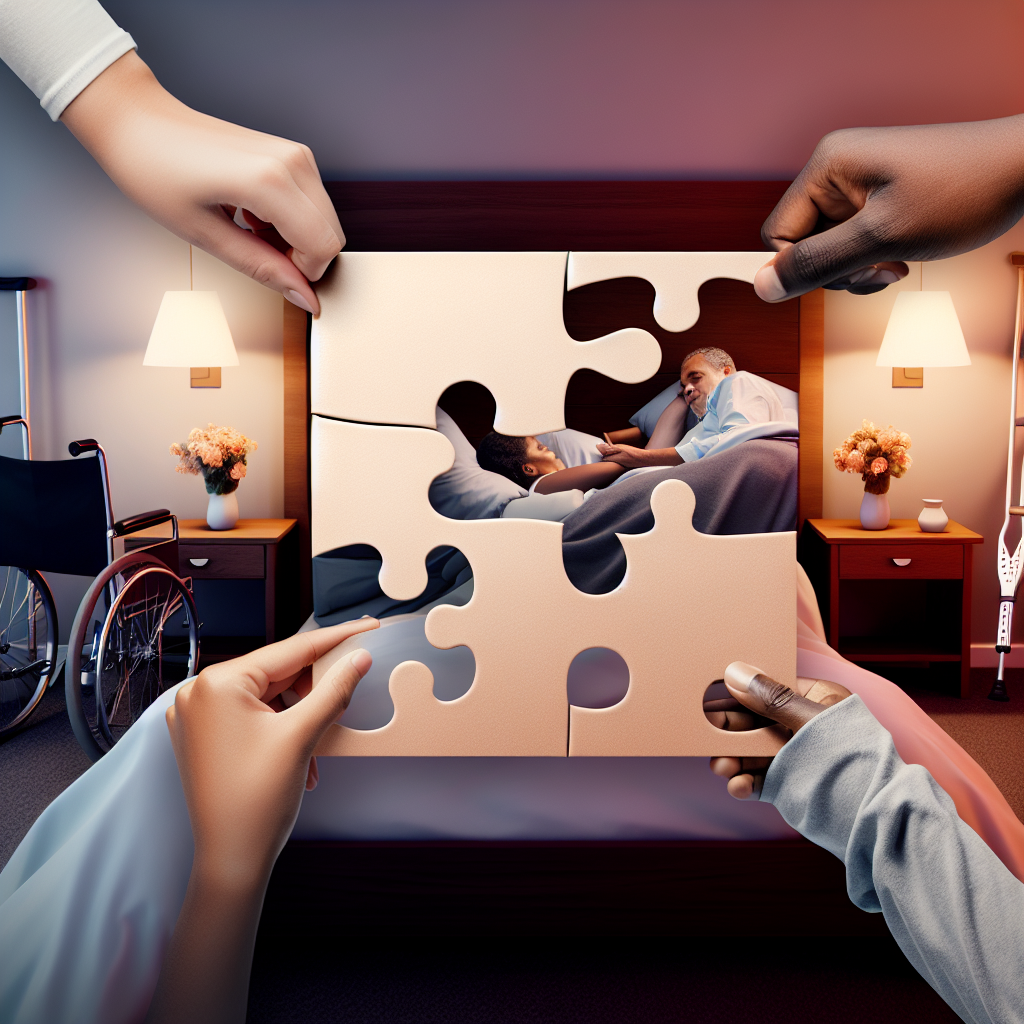
The American Urological Association also reports high intimacy impairment among both men and women post-urologic surgeries. Their research shows that pelvic floor therapy, open communication, and psychological support contribute significantly to sexual recovery. Making space for this open dialogue leads to shared vulnerability and mutual healing.
Prominent sex therapist Dr. Alexandra Solomon, a leading voice on post-traumatic relational resilience, introduces the concept of psychological flexibility. This adaptability allows couples to let go of prior expectations and rediscover connection through emotional honesty, playful exploration, and alternative touch techniques.
Practices like tantric breathing, guided sensual massage, and intentional eye contact are gaining popularity as ways for couples to restore connection. These practices emphasize non-verbal communication, sensory attunement, and emotional synchrony.
The rise of somatic sex therapy has further expanded tools for healing trauma through touch. Certified by the Association of Somatic and Integrative Sexologists, therapists use practices like body mapping, breathwork, movement, and guided visualization to regenerate the body’s neural responses and restore sensual awareness.
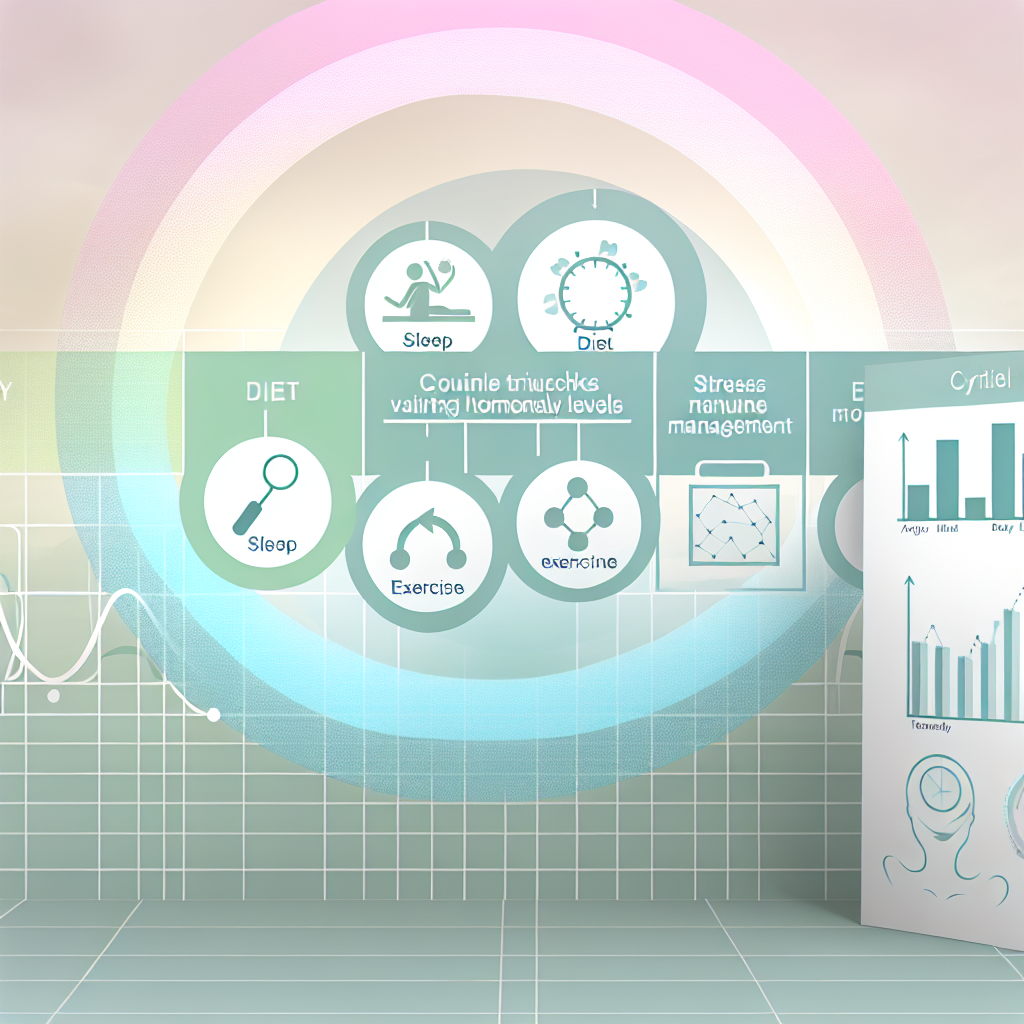
Another critical component is hormone replacement therapy (HRT). When delivered through personalized programs, HRT can improve not only libido but also mood, energy, and sleep—enhancing overall sensual readiness. Clinics such as The Lanby and Next Health combine integrative medicine with concierge wellness, providing hormone-balancing protocols tailored specifically for women navigating menopause, adrenal fatigue, or thyroid imbalances.
In essence, fully personalized care—including medical solutions, emotional healing, and sensual exploration—is the new gold standard. With expert guidance and mindful nurturing, a once-distant part of life can become a place of celebration, transformation, and meaningful connection again.
Conclusion
The path to intimacy after health challenges is a refined journey of self-investment and vulnerability. True sensual restoration requires willing emotional depth, open communication, and creative approaches to connection. Through blended approaches—spanning medicine, therapy, hormones, and luxury self-care—women and couples can rediscover intimacy not as a duty, but as a sacred act of personal sensuality.
At moxygal.com, we believe this is where authentic luxury begins—with your body, your heart, and your courage to reconnect. Let vulnerability, self-love, and desire be your most indulgent investments.
References
– Wiley Online Library: Psycho‐Oncology
– American Urological Association
– Dr. Alexandra Solomon
– Association of Somatic and Integrative Sexologists
– The Lanby Wellness Clinic
– Next Health
Concise Summary
Intimacy restoration post-health challenges is a transformative journey fusing medical knowledge, therapy, sensual rituals, and self-love. Chronic illnesses, surgeries, and emotional trauma often disrupt personal connection, yet through counseling, pelvic therapy, somatic sex therapy, and hormone balance, individuals and couples can rekindle passion and trust. Luxury wellness clinics and expert-led therapies now offer tailored solutions addressing both physical and emotional intimacy. For women navigating recovery, these curated approaches redefine luxury—not as possession, but as the ability to feel, connect, and love with intention. Moxygal.com invites you to reclaim pleasure, confidence, and wholehearted connection.

Dominic E. is a passionate filmmaker navigating the exciting intersection of art and science. By day, he delves into the complexities of the human body as a full-time medical writer, meticulously translating intricate medical concepts into accessible and engaging narratives. By night, he explores the boundless realm of cinematic storytelling, crafting narratives that evoke emotion and challenge perspectives. Film Student and Full-time Medical Writer for ContentVendor.com