Introduction
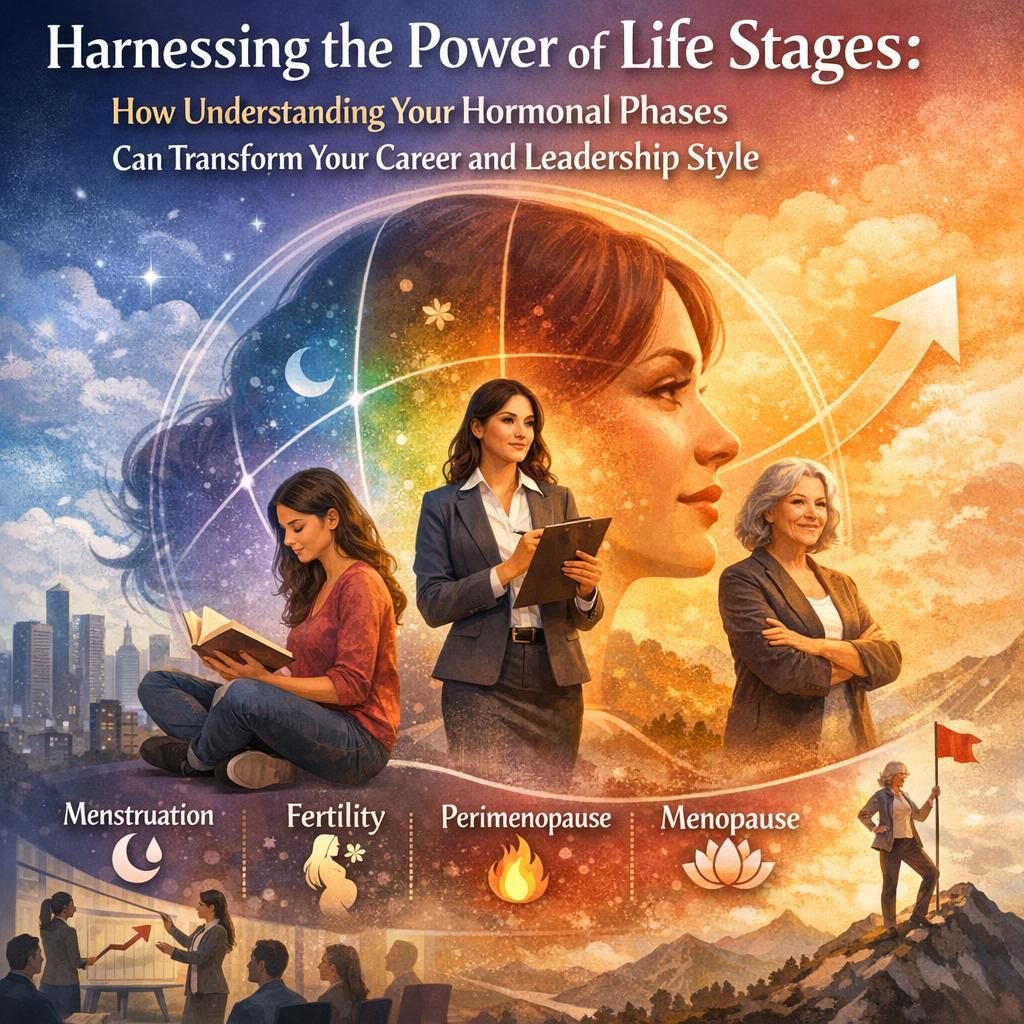
In the pursuit of a lavish lifestyle, understanding the nuances of one’s personal well-being and leveraging them for professional success is paramount. One of the most profound yet often overlooked aspects of personal well-being involves understanding the **hormonal phases** of our body. These biological rhythms and hormonal changes that occur naturally throughout life significantly impact our behavior, emotions, and capabilities. For those who aspire to achieve **peak performance** and exude unparalleled **leadership** in their careers, these insights into hormonal phases can be transformative.
Our lives can be viewed as a series of stages, with **hormonal fluctuations** acting as an undercurrent that influences everything from decision-making to stress response, energy levels, and interpersonal interactions. Hormones such as **estrogen**, **testosterone**, **cortisol**, and **progesterone** play crucial roles in these processes. For instance, estrogen levels, which fluctuate during menstrual cycles and life stages like menopause, can impact cognitive functions and mood states. These hormonal phases can often correlate with periods of increased **creativity**, **productivity**, or the need for introspection.
Meanwhile, testosterone levels, which can vary significantly between individuals and can decline with age, also have strong links with **motivation**, **confidence**, and **assertiveness**—qualities intrinsically tied to leadership. For both men and women, understanding these phases could lead to strategic enhancements in professional roles, allowing individuals to harness the right energy at the right time.
Successful leaders recognize the power of aligning their professional commitments with their natural energy cycles. By focusing on self-awareness and hormone-driven insights, individuals can tailor their work-life patterns to match their physiological states, thereby not only enhancing productivity but also improving well-being and satisfaction. This alignment can lead to a form of authentic leadership—rooted in an understanding of oneself, it manifests in **empathy**, **intuition**, and a balanced approach to challenges.
Features
Scientific research has shed light on the connection between **hormonal phases** and professional efficacy. A notable study published in the [Harvard Business Review](https://hbr.org) explored the ways in which hormonal cycles influence female leaders’ effectiveness at work. The study found that **estrogen’s peak levels** during ovulation are linked to increases in verbal communication skills, problem-solving abilities, and mood—which are crucial for high-stakes negotiations and critical meetings. Conversely, the luteal phase, characterized by a drop in estrogen and a rise in progesterone, may lend itself to deep work and reflective tasks, offering a period of acute focus and completion of detailed work.
In men, research has demonstrated how **testosterone levels** influence career outcomes. A study by the [Institute for Economics and Peace](https://economicsandpeace.org/) found that higher testosterone levels correlated with increased risk-taking and entrepreneurial behavior, which are pivotal traits for disruptive innovation and leadership in high-stakes environments. Moreover, understanding one’s own testosterone cycle—peaking in the morning and waning through the day—can assist in scheduling demanding tasks when decisiveness and energy are naturally amplified.
Medical studies extend these insights further by examining **hormone replacement therapies** (HRT) and their impact on professional life. HRT, used by both post-menopausal women and men with low testosterone levels, has shown promising results in enhancing cognitive function and mood stabilization, thereby supporting sustained professional engagement and leadership efficacy ([Journal of Clinical Endocrinology & Metabolism](https://academic.oup.com/jcem)).
The recognition of how **hormonal health** intricately weaves into career success goes beyond anatomical differences and extends into the realm of psychological empowerment. Leaders who are empowered with this understanding can communicate more effectively, tailor their strategies to include these natural rhythms, and create work cultures that honor and accommodate human biological diversity.
Conclusion
Embracing the science of **hormonal phases** opens up a realm of possibilities for personal growth and leadership prowess. Understanding and adapting to these natural cycles can help transform how we engage with work, fostering an environment of informed leadership based at the intersection of biology and strategy. With this knowledge, aspiring individuals can gracefully navigate their careers, as they curate their path toward an intricately tuned, lavish lifestyle.
Conclusion
– [Harvard Business Review](https://hbr.org)
– [Institute for Economics and Peace](https://economicsandpeace.org/)
– [Journal of Clinical Endocrinology & Metabolism](https://academic.oup.com/jcem)
**Concise Summary:**
Understanding the **hormonal phases** of our body is a crucial aspect of personal well-being that can significantly impact professional success. By leveraging insights into how hormones like **estrogen** and **testosterone** influence behavior, motivation, and leadership styles, individuals can enhance productivity and satisfaction in their careers. This knowledge enables alignment of professional roles with natural energy cycles, fostering improved leadership through **self-awareness** and an appreciation for **biological diversity** in the workplace. Strategic understanding of these phases can lead to authentic, empathetic leadership and an enriched lifestyle.

Dominic E. is a passionate filmmaker navigating the exciting intersection of art and science. By day, he delves into the complexities of the human body as a full-time medical writer, meticulously translating intricate medical concepts into accessible and engaging narratives. By night, he explores the boundless realm of cinematic storytelling, crafting narratives that evoke emotion and challenge perspectives. Film Student and Full-time Medical Writer for ContentVendor.com