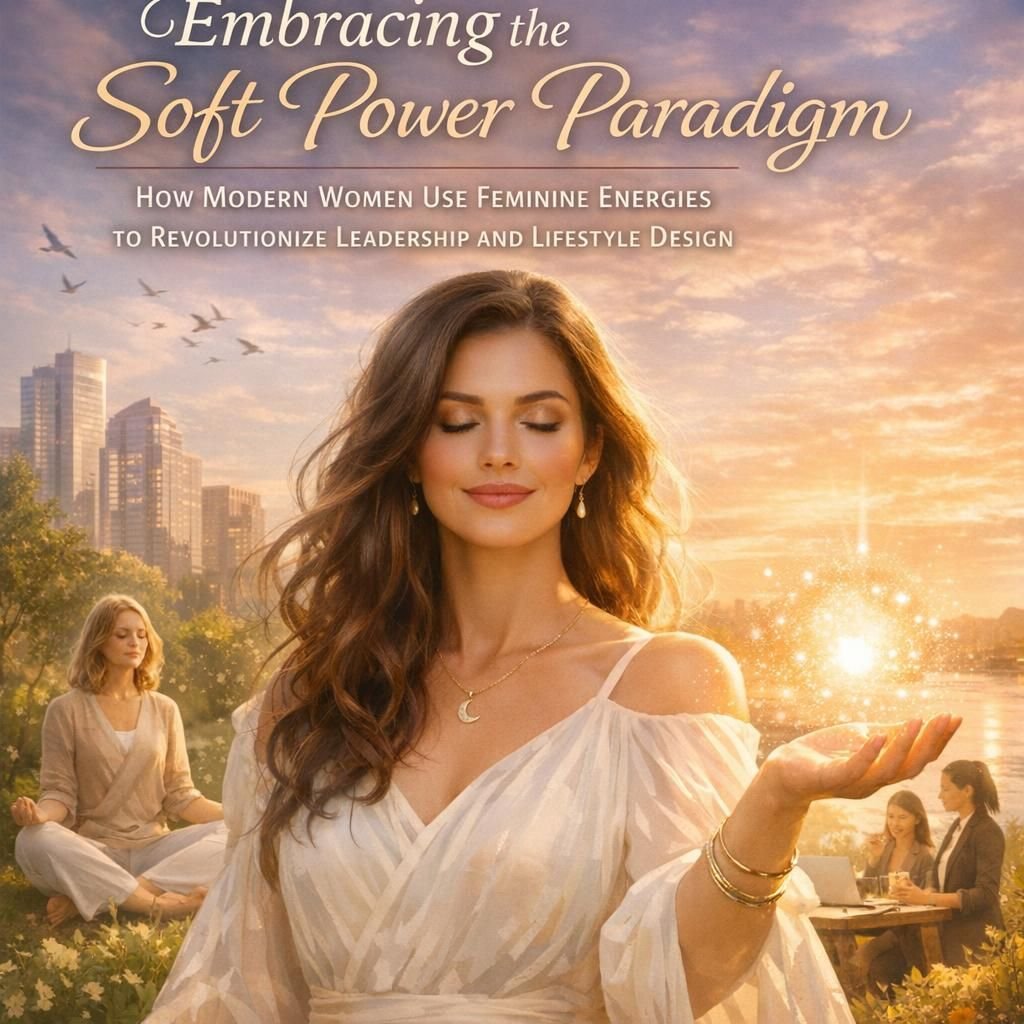
Embracing the Soft Power Paradigm: How Modern Women Use Feminine Energies to Revolutionize Leadership and Lifestyle Design
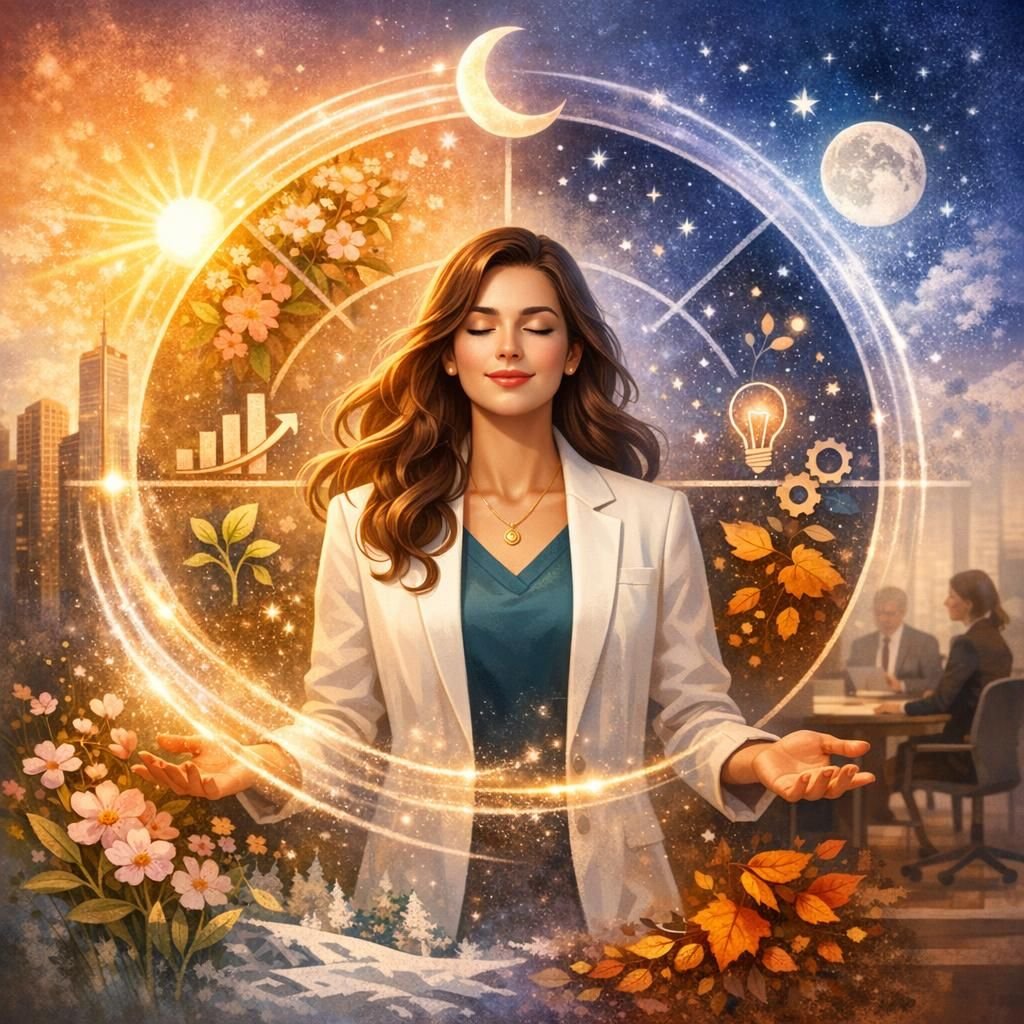
In today’s rapidly evolving world, there is a distinct shift in how leadership is perceived and practiced. Modern women are harnessing what is known as “soft power,” an approach that emphasizes influence, empathy, and resilience over traditional, more authoritarian means. This paradigm shift is not just changing boardrooms and boardlines; it’s redefining lifestyle design, and women are at the helm of this transformation.
Historically, leadership has been associated with masculine qualities such as assertiveness, competitiveness, and decisiveness—attributes often aligned with “hard power.” These methods have been effective in many domains but can sometimes foster environments that lack flexibility and empathy. Soft power, however, introduces an alternative narrative. Coined by political scientist Joseph Nye to describe the ability to influence through attraction and persuasion rather than coercion, this concept has found resonance beyond politics and into daily life, especially among women seeking to align their professional and personal aspirations.
Feminine energies bring to the table attributes like empathy, intuition, and collaboration, enabling leaders to craft environments that nourish mental and emotional well-being. Women are increasingly learning to leverage these energies in their leadership styles, not only producing results but also fostering healthier work environments. As Jack Zenger and Joseph Folkman illustrate in their Harvard Business Review study, women in leadership positions are consistently rated higher than their male counterparts in competencies such as initiative, integrity, and resilience.
This revolution is significant in lifestyle design as well. As women seamlessly weave their leadership ethos into their daily lives, they embrace authenticity, well-being, and connectedness. The shift away from a rigid pursuit of material success towards a lifestyle that values personal fulfillment and holistic wellness signifies a profound evolution. It’s about designing a life that allows for growth, learning, and empowerment—where aspiration is intertwined with introspection, and success is defined on one’s terms.
Features: Harnessing Feminine Energies in Leadership and Lifestyle Design
The concept of utilizing feminine energies in leadership is deeply rooted in current professional and psychological studies, which highlight the transformative impact of empathy and intuitive intelligence in organizational settings. According to research conducted by the [International Journal of Business Communication](https://journals.sagepub.com/home/jbc), empathetic leadership can directly impact team dynamics and productivity, fostering environments where members feel valued and motivated. Empathy, which is closely linked to emotional intelligence, allows leaders to understand the experiences and emotions of others, facilitating more meaningful interpersonal connections and collaborative problem-solving.
Further, a study published in the [Journal of Applied Psychology](https://www.apa.org/pubs/journals/apl) highlights the importance of transformational leadership—a style that inspires and motivates employees by focusing on vision and relationships. Women’s natural inclination toward nurturing and relationship-building can make this form of leadership particularly effective. Such leadership styles are associated with increased employee satisfaction, higher trust levels, and enhanced team performance.
In lifestyle design, these feminine energies manifest as an emphasis on balance, wellness, and emotional health. As the [American Psychological Association](https://www.apa.org/monitor/2012/07-08/mindfulness) has reported, methods such as mindfulness and emotional regulation can significantly improve mental health and reduce stress levels. This connection between feminine energy and personal well-being becomes crucial for modern women who juggle multiple roles and responsibilities.
There’s also a growing body of evidence supporting the notion that embracing one’s authentic self—being true to one’s values, passions, and strengths—can lead to more fulfilling and creative lives. Studies from the [Journal of Personality and Social Psychology](https://psycnet.apa.org/fulltext/2020-31939-001.html) suggest that authentic living not only enhances personal happiness but also boosts overall life satisfaction.
Consequently, as modern women leverage these scientific insights and embrace their authentic selves, they come to embody a unique form of leadership and lifestyle design that is sustainable, enriching, and profoundly empowering. This blend of empathy, intuition, and collaboration not only guides professional pathways but also shapes a way of living that is grounded in purpose and joy.
Conclusion
In embracing the soft power paradigm, modern women are redefining what it means to lead and live successfully. By tapping into feminine energies, they revolutionize environments and lifestyles in ways that foster authenticity and holistic wellness. As these principles gain greater acceptance, they promise a future where leadership and personal success are not bound by gender myths but are celebrated for their inclusivity and humanity.
**Concise Summary**: Modern women are leveraging soft power by harnessing feminine energies such as empathy, intuition, and collaboration to revolutionize leadership and lifestyle design. This approach fosters mental and emotional well-being, enhancing professional environments and promoting personal fulfillment. By prioritizing authenticity and holistic wellness, women redefine success beyond traditional gender myths, leading to inclusive and humane leadership models.

Dominic E. is a passionate filmmaker navigating the exciting intersection of art and science. By day, he delves into the complexities of the human body as a full-time medical writer, meticulously translating intricate medical concepts into accessible and engaging narratives. By night, he explores the boundless realm of cinematic storytelling, crafting narratives that evoke emotion and challenge perspectives. Film Student and Full-time Medical Writer for ContentVendor.com