Collagen Production Boosters Through Diet
Introduction: The Beauty of Nourishing from Within
Luxury isn’t merely defined by designer handbags or private jets—it’s also reflected in the radiant health of our skin, hair, nails, and overall vitality. In the modern pursuit of opulence, beauty and wellness are no longer separate avenues; instead, they are deeply intertwined. That’s why today’s discerning wellness enthusiasts are increasingly turning their attention to collagen—a naturally occurring protein hailed as the cornerstone of youthful skin, resilient hair, strong nails, and flexible joints.
Collagen, the most abundant protein in the human body, is the foundational element in connective tissues, offering structure and elasticity. Unfortunately, after the age of 25, our body’s ability to produce collagen naturally begins to diminish. This decline leads to visible signs of aging including fine lines, sagging skin, brittle nails, and decreased mobility and joint discomfort. As a result, those aiming to preserve youth and vitality from the inside out are increasingly investing in boosting collagen production naturally, through the foods they consume.
While injectable fillers and topical creams offer temporary improvements, the informed luxury consumer knows that lasting beauty begins from within. Collagen supplements are in vogue, but sourcing collagen naturally through high-quality, nutrient-dense foods offers a more holistic, wellness-aligned, and sustainable approach. Today’s eco-conscious, high-end consumers value integrative dietary practices that rejuvenate at a cellular level while satisfying gourmet aspirations.
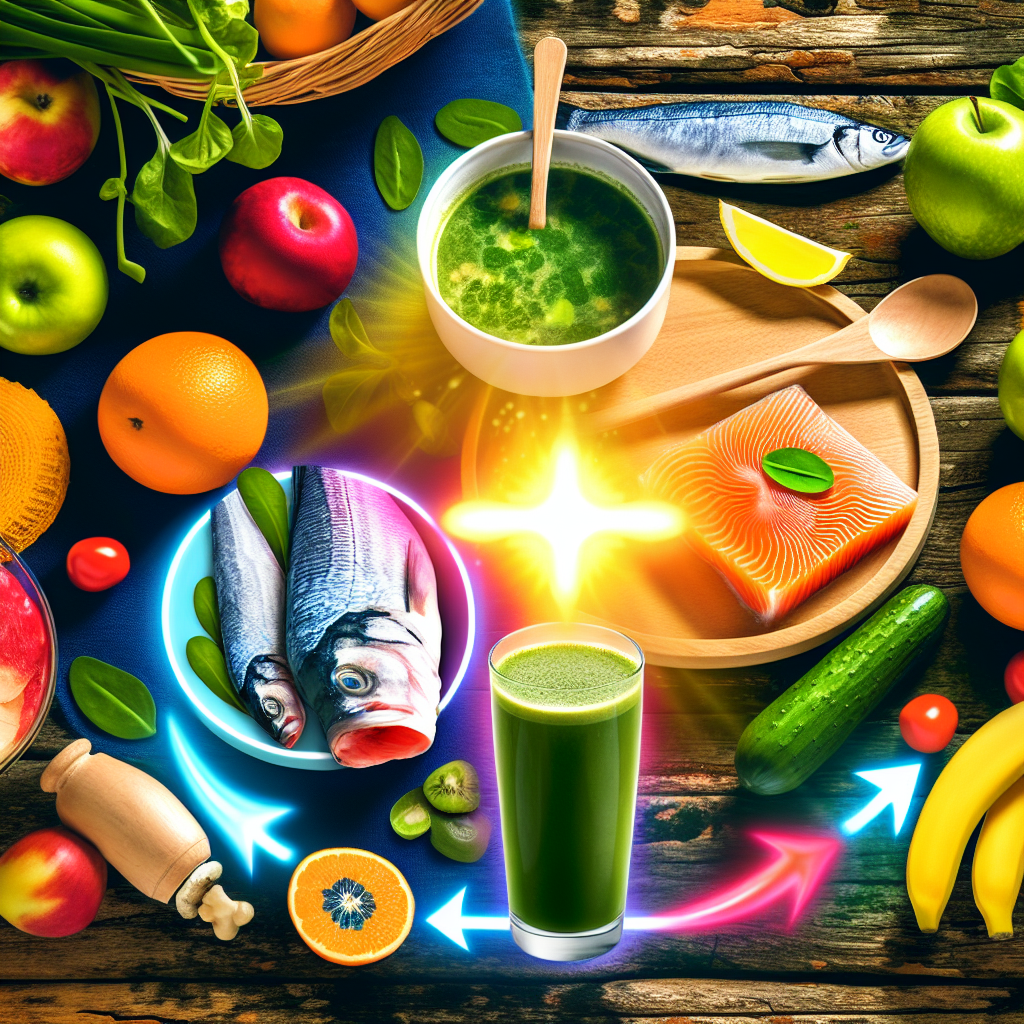
Strategic consumption of vitamins, minerals, and amino acids—curated with an appreciation for organic, farm-to-table excellence—can dramatically sustain and amplify collagen in our bodies. Think bone broth infused with truffles, dragon fruits rich in antioxidants, and wild-caught marine delicacies. This is radiant nourishment for the modern age.
Features: Scientific Foundations of Collagen Synthesis via Nutrition
The cornerstone of natural collagen production lies in specific amino acids such as glycine, proline, and hydroxyproline. These building blocks are abundant in high-protein animal products like grass-fed beef, wild-caught fish, and pasture-raised poultry. However, the body also requires key co-factors—such as Vitamin C, zinc, copper, and antioxidants—to activate the collagen synthesis process.
According to a study in Nutrients (2018), Vitamin C is crucial for stabilizing collagen molecules and converting proline to hydroxyproline—an essential component of collagen fibrils. Premium sources of Vitamin C like camu camu berries, acerola cherries, and citrus fruit zests not only bolster collagen production but do so with a sophisticated twist appealing to refined palates.
A clinical study in the Journal of Drugs in Dermatology (2019) confirmed that hydrolyzed collagen paired with nutrients like biotin, zinc, and hyaluronic acid improves skin elasticity, hydration, and texture in just 12 weeks. While many focus on collagen powders, whole food sources like wild salmon, avocados, and free-range eggs deliver similar results with added phytonutrients and enzymes that aid in longer-lasting transformation.
One standout in the collagen-boosting culinary arsenal is bone broth. When prepared from grass-fed, hormone-free marrow bones simmered for 24 to 48 hours, bone broth becomes a liquid gold bursting with gelatin, glucosamine, chondroitin, and trace minerals. Research published in Food & Function (2015) demonstrates bone broth’s efficacy in enhancing dermal collagen density and skin moisture.
Other luxurious additions to a collagen-rich diet include:
– Dark leafy greens (spinach, kale, etc.), which are rich in chlorophyll and help reduce oxidative stress.
– Matcha and adaptogenic lattes that feed the skin with antioxidants.
– Heirloom tomatoes roasted in cold-pressed olive oil to optimize lycopene bioavailability—an antioxidant helpful in fighting collagen breakdown.
Additionally, marine collagen from deep-sea fish skins and scales is gaining traction due to its extraordinary bioavailability. As shown in a study by Marine Drugs (2020), this form of collagen has a smaller peptide size, ensuring quicker digestion and absorption—making it a preferred choice for anyone seeking expedited results in skin hydration and plumpness.
Conclusion: Cultivating Timeless Beauty Through Food
True luxury lies in the symphony of intentional living, where beauty is not applied but nurtured from within. Creating a diet infused with collagen-boosting nutrients elevates both your vitality and your appearance. Whether you choose exquisitely-prepared bone broth, vibrant superfruits, or sustainably-sourced marine collagen, each bite is a step toward ageless radiance.
Investing in quality ingredients that do more than nourish—but truly transform—is the essence of timeless glamour. With the right collagen-enhancing diet, you can thrive from the cellular level outward, achieving beauty that no cosmetic can replicate. Eat beautifully, live luxuriously.
Concise Summary
Collagen is vital for youthful skin, strong nails, and healthy joints, but production declines with age. Rather than relying solely on supplements, this article explores holistic, luxurious dietary solutions to naturally boost collagen synthesis. Key foods include grass-fed meats, bone broth, citrus fruits, dark leafy greens, and marine collagen from fish. Rich in amino acids and supported by co-factors like Vitamin C and zinc, these choices offer long-term benefits. With science-backed recommendations and a focus on nutrient synergy, smart eating becomes a powerful, elegant path to ageless beauty and lasting wellness.
References
– Nutrients (2018) – The Roles of Vitamin C in Skin Health
– Journal of Drugs in Dermatology (2019) – Dietary Supplementation with Collagen Improves Skin
– Food & Function (2015) – Bioactive peptides in collagen
– Marine Drugs (2020) – Marine Collagen: Bioavailability and Benefits

Dominic E. is a passionate filmmaker navigating the exciting intersection of art and science. By day, he delves into the complexities of the human body as a full-time medical writer, meticulously translating intricate medical concepts into accessible and engaging narratives. By night, he explores the boundless realm of cinematic storytelling, crafting narratives that evoke emotion and challenge perspectives. Film Student and Full-time Medical Writer for ContentVendor.com