**
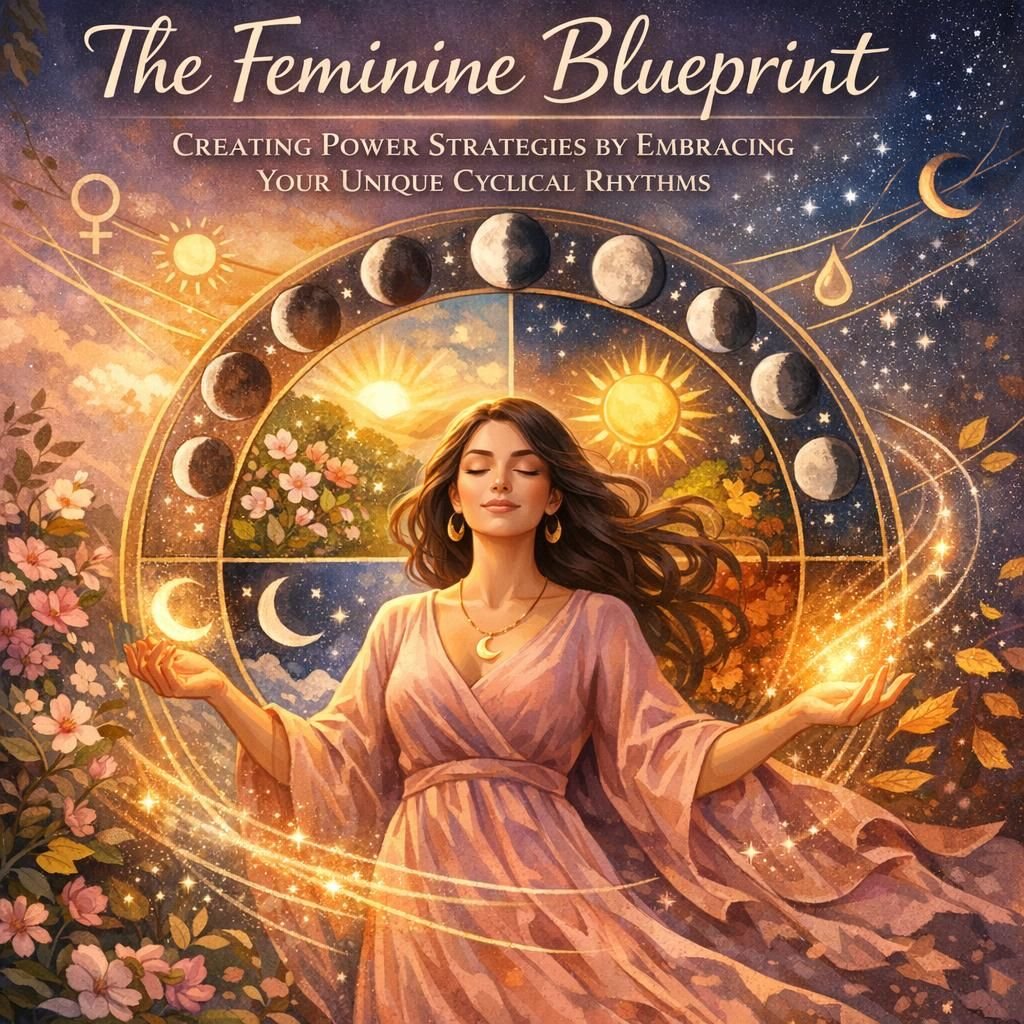
The Female Confidence Advantage: Unlocking Leadership Through Hormonal Rhythms
**
**
Introduction
**
In a world that is progressively celebrating **diversity** and **inclusion**, the conversation around **women’s leadership** is evolving. One emerging area is the connection between **female hormonal rhythms** and **leadership qualities**, offering fresh insights into how women can harness their natural cycles to boost **confidence** and **assertiveness** professionally. The traditional business world often overlooks **biological differences** between genders as a factor in leadership. However, cutting-edge research suggests that understanding and leveraging **female hormonal rhythms** can provide a unique advantage—tailoring professional paths and leadership strategies in harmony with these natural hormonal fluctuations.
Hormones like **estrogen** and **progesterone** influence mood, energy, and cognitive functions in women. Rather than perceiving these rhythms as a disadvantage, they can be powerful tools for enhancing **leadership capabilities**. By understanding the links between hormonal cycles and behavioral patterns, women can optimize performance by scheduling critical tasks, negotiations, and presentations when they are at their cognitive and emotional best. These periods can also enhance **creativity**, **problem-solving**, and **interpersonal skills**.
The challenge lies in overturning traditional misconceptions and promoting awareness. Many professional environments operate on rigid structures, ignoring the nuanced dynamics of female biology. Educating organizations and individuals on the benefits of accommodating hormonal insights can pave the way for innovative leadership styles that benefit women and the organizations they lead.
**
Features
**
Research in **endocrinology** and **women’s health** provides insights into the relationship between **hormonal rhythms** and **leadership qualities**. A study published in the [*Harvard Business Review*](https://hbr.org) highlighted hormonal fluctuations’ importance in effective decision-making and leadership skills. An increase in estrogen during the follicular phase enhances mood, boosts confidence, and creativity—critical for innovative thinking and effective problem-solving, essential components of strong leadership.
Furthermore, studies from [*The Women’s Health Initiative*](https://www.whi.org) have shown how the luteal phase can affect emotional intelligence and **empathy**, enhancing team dynamics and collaboration when strategically leveraged. **Hormonal understanding** allows women leaders to strengthen their communication skills, ensuring they effectively nurture and manage their teams.
In addition to academic studies, practical implementations show promise. Companies adopting flexible work structures to accommodate female hormonal rhythms report higher **employee satisfaction** and **productivity**. Organizational psychologists at [Stanford University](https://www.stanford.edu) are collaborating with companies to integrate bio-awareness into **leadership training programs**, seeing increased engagement levels and improved performance among female leaders embracing their hormonal cycles.
Medical professionals recognize the potential of bio-syncing work tasks with hormonal rhythms. Dr. Sarah L. Berga, Chair of Obstetrics and Gynecology at [Wake Forest Baptist Health](https://www.wakehealth.edu), emphasizes customizing work schedules to align with hormonal changes. Dr. Berga underscores the significance of bio-rhythms in reducing stress and burnout, particularly in leadership roles requiring resilience and adaptability.
The growing body of evidence supports hormonal cycles as leadership tools and advocates for systemic change in workplace policy. By aligning the strengths of female leaders with their biological rhythms, organizations can create more inclusive, productive, and innovative environments.
**
Conclusion
**
Leveraging the female hormonal advantage in leadership roles offers a progressive pathway to redefining success in the professional world. By embracing natural rhythms, women leaders can transform potential vulnerabilities into unparalleled strengths, fostering environments of creativity, empathy, and innovation. As more research underscores this alignment’s benefits, organizations must adapt to ensure the full potential of female leadership is realized and celebrated.
**Concise Summary**
Increased awareness of female hormonal rhythms and their link to leadership qualities empowers women by aligning professional tasks with natural cycles. This alignment enhances confidence, creativity, and emotional intelligence, offering a unique leadership advantage. Overcoming traditional misconceptions, organizations that adapt to these insights can create inclusive, productive environments. Evidence supports systemic workplace policy changes, ensuring female leaders’ potential is fully realized and celebrated.

Dominic E. is a passionate filmmaker navigating the exciting intersection of art and science. By day, he delves into the complexities of the human body as a full-time medical writer, meticulously translating intricate medical concepts into accessible and engaging narratives. By night, he explores the boundless realm of cinematic storytelling, crafting narratives that evoke emotion and challenge perspectives. Film Student and Full-time Medical Writer for ContentVendor.com