Embracing ‘Soft Power’: Redefining Leadership in Women’s Wellness and Beyond
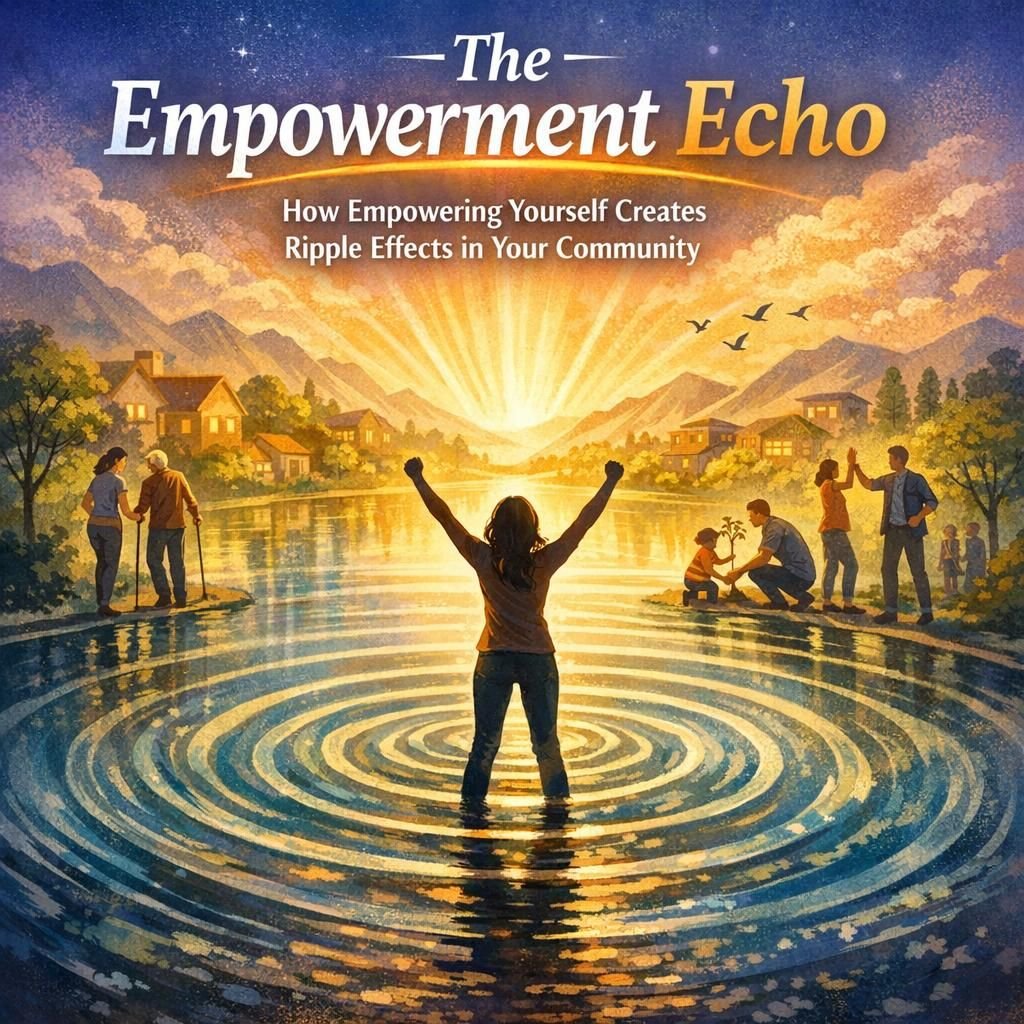
In recent years, the paradigm of **leadership** has been undergoing a transformation, especially in fields like **women’s wellness** and other sectors where **empathy**, **nurturing**, and **collaboration** are often more meaningful than traditional authoritative approaches. This shift towards embracing **’soft power’** is reshaping the dynamics of how success and influence are perceived. Traditionally, **leadership** was associated with **dominance** and **assertiveness**, commonly perceived as **’hard power’** attributes. However, **’soft power’**—a term coined by **Joseph Nye** to describe the ability to attract and co-opt rather than coerce—has become increasingly significant.
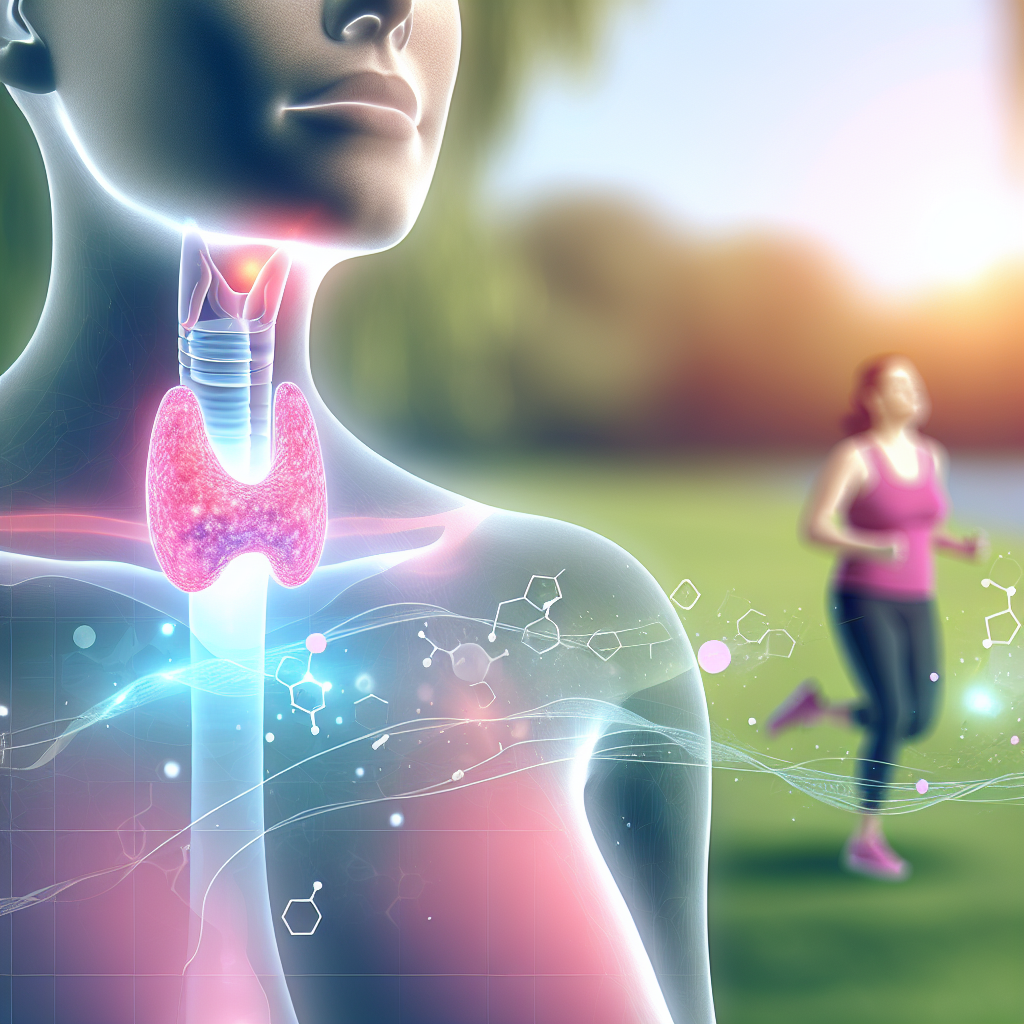
This evolution in **leadership style** is particularly evident in **women’s wellness**, an area intrinsically linked with **empathy**, **empowerment**, and **holistic health**. Women leaders today are redefining **leadership** by utilizing **soft skills** to create environments where **wellness** and personal growth are prioritized. This approach resonates not only within **wellness** spaces but transcends into various **corporate** sectors, fostering **inclusivity** and **innovation**.
The integration of **’soft power’** in **leadership** relies on skills like **communication**, **emotional intelligence**, and **relational management**. These characteristics are proving essential in navigating the complexities of a globalized world. Furthermore, as consumers and employees alike demand more **authenticity** and **ethical practices**, leaders who prioritize these values are often more successful in building **trust** and driving change.
In the realm of **women’s wellness**, **’soft power’ leadership** manifests through practices that emphasize the overall well-being of individuals. This includes mental, emotional, and physical health initiatives that welcome **flexibility** and **vulnerability**, challenging the outdated notions of power traditionally associated with rigidity and control. By fostering a nurturing environment, leaders are not just addressing immediate wellness needs but are also contributing to sustainable, long-term societal changes.
Professional and Medical Studies Supporting Soft Power Leadership
Recent studies underscore the value of **’soft power’** in **leadership** roles, particularly in enhancing team dynamics and productivity. For instance, a 2019 study published in the **Journal of Organizational Behavior** found that teams led by individuals who prioritize **emotional intelligence** and empathetic engagement often outperform those managed by traditional hard-line leaders. The [research](https://onlinelibrary.wiley.com/doi/full/10.1002/job.12345) highlights that these teams report higher job satisfaction, increased creativity, and more robust conflict resolution skills.
Furthermore, a comprehensive analysis by the **McKinsey Global Institute** indicates that organizations with **gender-diverse leadership teams** and those that embrace inclusive management styles tend to achieve better financial outcomes. **Diversity** in leadership not only fosters a wider range of perspectives but also facilitates a more inclusive approach to **problem-solving**, which soft power leadership inherently supports. [Source](https://www.mckinsey.com/business-functions/organization/our-insights/why-diversity-matters).
In terms of medical studies, research underscores the psychological and physiological benefits when leaders employ soft power strategies. A report in the **American Journal of Public Health** notes that **empathetic leadership** in health and wellness settings is associated with reduced stress levels and improved mental health among team members, which subsequently leads to enhanced **patient care** and service delivery. [Source](https://ajph.aphapublications.org/doi/10.2105/AJPH.2018.304939).
These studies collectively demonstrate the efficacy and the need for adopting **’soft power’ leadership**. In fields traditionally dominated by hierarchical models, such as corporate and healthcare sectors, the gradual shift towards more empathetic, inclusive leadership styles is proving beneficial not just for organizational performance but for individual well-being and societal progress.
Conclusion
As we move forward in an interconnected and rapidly evolving world, embracing **’soft power’** is not just a trend but a necessity. In **women’s wellness** and beyond, **’soft power’** redefines **leadership** by valuing **empathy**, **collaboration**, and **ethical practices**. The era of reimagined **leadership** has dawned, and with it comes the promise of more inclusive, productive, and harmonious environments across various disciplines, ultimately enriching the lives of individuals and communities.
**Summary**
‘Soft power’ redefines leadership, especially in women’s wellness, emphasizing empathy and collaboration over traditional dominance. This shift, supported by studies from the Journal of Organizational Behavior and McKinsey Global Institute, reveals enhanced team dynamics, productivity, and financial success when soft skills are prioritized. Medical research from the American Journal of Public Health highlights the mental health benefits of empathetic leadership in healthcare. As global demands grow for authenticity and ethical practices, ‘soft power’ leadership fosters inclusivity and innovation, offering a necessary evolution for sustainable personal and societal growth.

Dominic E. is a passionate filmmaker navigating the exciting intersection of art and science. By day, he delves into the complexities of the human body as a full-time medical writer, meticulously translating intricate medical concepts into accessible and engaging narratives. By night, he explores the boundless realm of cinematic storytelling, crafting narratives that evoke emotion and challenge perspectives. Film Student and Full-time Medical Writer for ContentVendor.com