The “Glow-Up Lie”: Why Wellness Isn’t the Same as Self-Improvement (and What Women Actually Need)
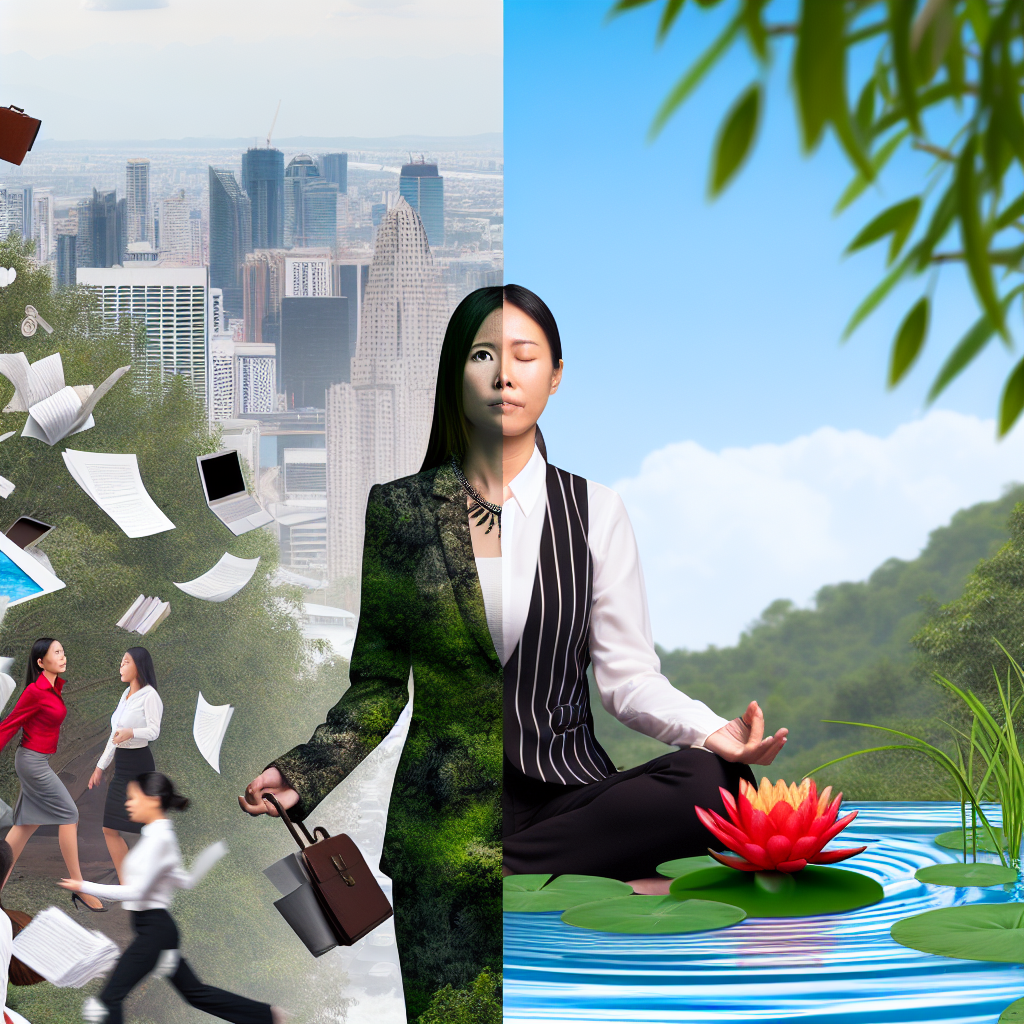
In today’s digital age, the concept of the “**glow-up**” has infiltrated social media platforms, with countless influencers showcasing transformative journeys adorned with pristine **skincare routines**, powerful workouts, and full **makeup tutorials**. While alluring, this aesthetic-focused transformation often masquerades as **self-improvement**, misleading women into equating outer appearances with personal growth. Underneath the glossy veneer lies the critical distinction between wellness as a market-driven trend and genuine self-improvement, which is deeply personal and multifaceted.
The “**glow-up**” narrative, although appealing, can trap individuals in a superficial cycle, promising happiness and fulfillment through commercial products, rather than sustainable changes. A well-executed beauty routine can indeed boost confidence, but equating it entirely with self-worth is problematic. It places too much emphasis on outward experiences, often neglecting internal growth that doesn’t fit the shareable **Instagram aesthetic**.
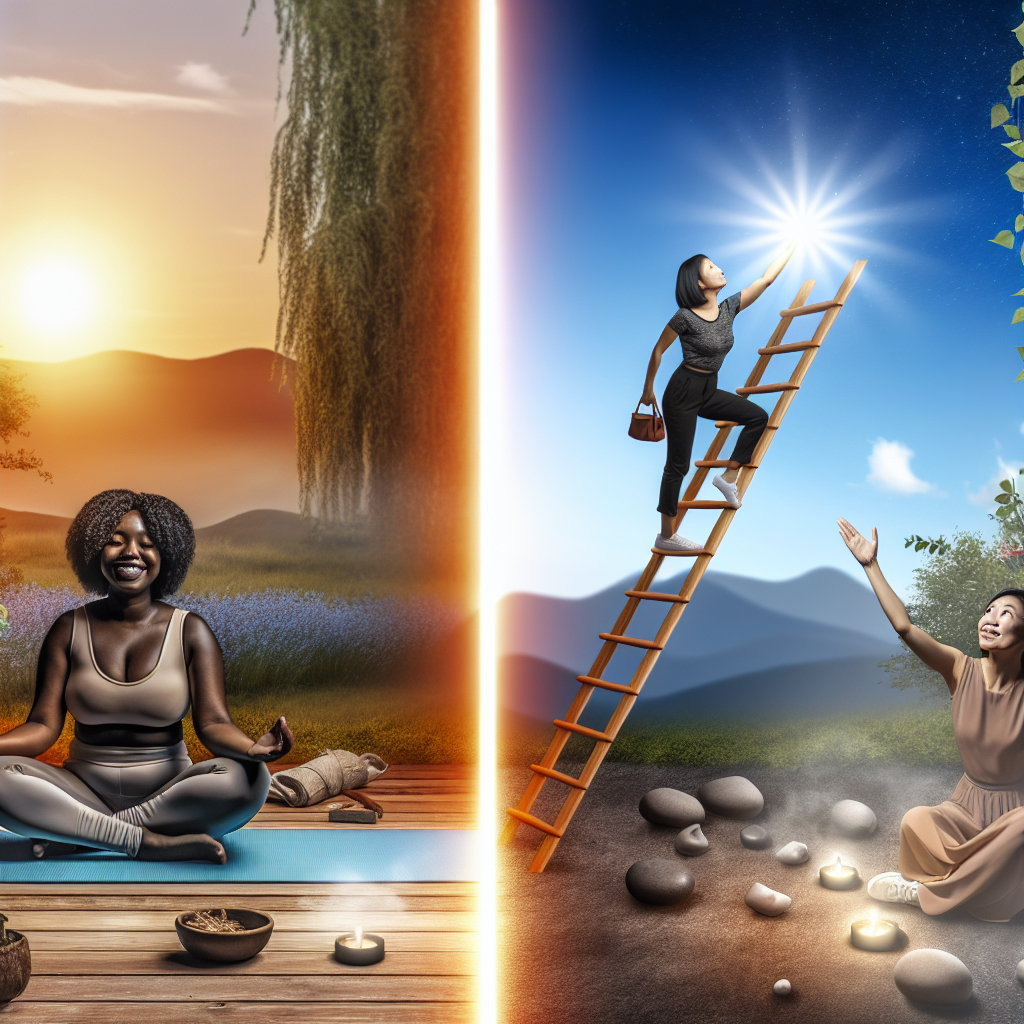
True **self-improvement** transcends quick-fixes and external validation. It involves introspection, emotional intelligence, spiritual depth, and personal development that are not for public consumption. Real empowerment for women comes from aligning their lives with their true values and aspirations, not from following an algorithmically suggested path to perfection. Social media’s wellness narrative overlooks the importance of **mental health**, emotional resilience, and authentic self-awareness, which form the pillars of a well-rounded life.
Moreover, the **wellness industry**, albeit beneficial, can sometimes blur the lines between health and vanity. The industry tends to capitalize on insecurities, pushing products that promise dramatic enhancement but fall short of addressing deeper needs. The promise of the “perfect you” tends not only to external attributes but also embeds a subtle suggestion that women, as they are, are not enough. This commercialization shifts the focus from intrinsic **self-worth** to a commodified version of **self-care**, often unattainable for many.
Features: The Real Definition of Self-Improvement
To truly distinguish between wellness and self-improvement, it’s vital to delve into scholarly research and expert opinions. A study published in the Journal of Consumer Research sheds light on how consumer culture influences perceptions of self-worth. It emphasizes how consumer products associated with wellness fail to improve one’s emotional well-being and instead may contribute to increased anxiety and diminished self-esteem. Therefore, women’s satisfaction and inner growth are, paradoxically, hindered rather than helped by the current wellness craze.
Reconciling wellness and genuine self-improvement requires revisiting psychological foundations. The American Psychological Association outlines that achieving personal growth includes cultivating emotional balance, setting existential goals, and fostering resilience against life’s adversities rather than external polish.
Further evidence points to the critical role of mental health in self-improvement. A comprehensive review in The Lancet Psychiatry suggests that mental health directly correlates with life satisfaction and fulfillment. Meanwhile, wellness trends rarely touch on psychological sciences, which drive long-term well-being. Authentic self-improvement thus necessitates tools like **cognitive behavioral therapy**, **mindfulness**, and community support rather than fleeting trends.
Additionally, the Harvard Business Review identifies a clear distinction between superficial change and meaningful development. True self-improvement strategies focus on intrinsic goals and resilience building, ensuring women not only thrive in environments but create spaces where they can be authentically themselves.
Conclusion:
In pursuit of true self-improvement, women must recognize that while wellness can aid in enhancing life quality, it is not synonymous with measuring personal worth. Unraveling the “**glow-up lie**” means diving beyond superficial narratives and focusing on learning, inner fulfillment, and genuine emotional balance. Real transformation lies within, far beyond filters and fitness milestones. Prioritizing **mental well-being** and authentic life goals fosters an enriched life that shines from within.
**Concise Summary:** In today’s digital era, the concept of “glow-up” promotes aesthetic transformations via social media as self-improvement, misleading women by equating appearance with growth. While wellness trends foster superficial confidence, true self-improvement involves personal development beyond physical changes. Real empowerment comes from introspection, aligning life with personal values, and fostering mental health. The wellness industry’s focus on commodified self-care often neglects intrinsic self-worth. Authentic self-improvement requires emotional intelligence and resilience, emphasizing mental health’s role in life satisfaction. Prioritizing mental and emotional well-being leads to genuine inner fulfillment.

Dominic E. is a passionate filmmaker navigating the exciting intersection of art and science. By day, he delves into the complexities of the human body as a full-time medical writer, meticulously translating intricate medical concepts into accessible and engaging narratives. By night, he explores the boundless realm of cinematic storytelling, crafting narratives that evoke emotion and challenge perspectives. Film Student and Full-time Medical Writer for ContentVendor.com