Why Your “Soft Girl Wellness Era” Is Making You Broke, Tired, and Invisible — and What Power-Rooted Femininity Really Looks Like
Introduction:
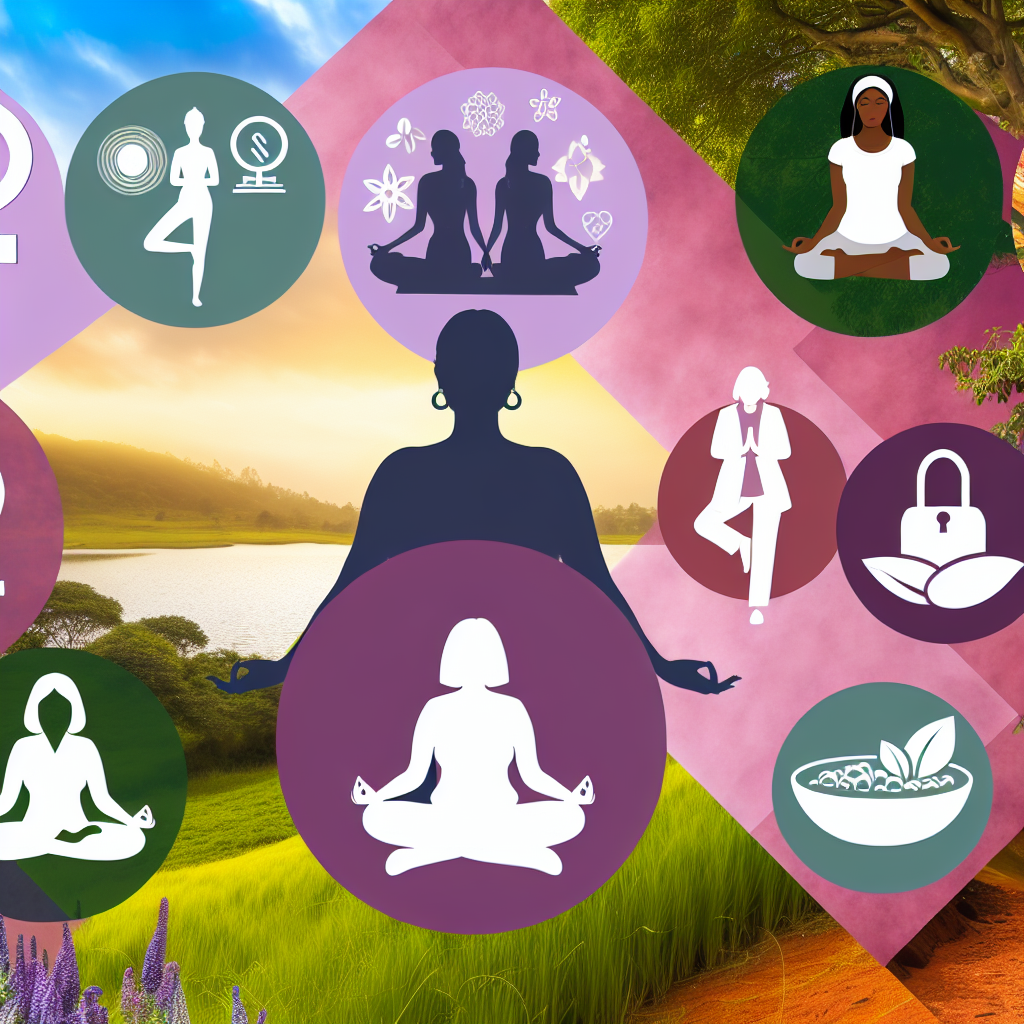
In recent years, the internet is buzzing with the aesthetics of the “**soft girl wellness era**.” At its core, this movement is supposed to encapsulate a life of relaxation, self-care, and indulgence in creature comforts—think **bubble baths**, **silk pajamas**, diary entries, face masks, and endless green smoothies. **Influencers** paint this picture as the antidote to the relentless **hustle culture**, promoting a life where kindness and gentleness, both to oneself and others, reign supreme. At a glance, it sounds idyllic.
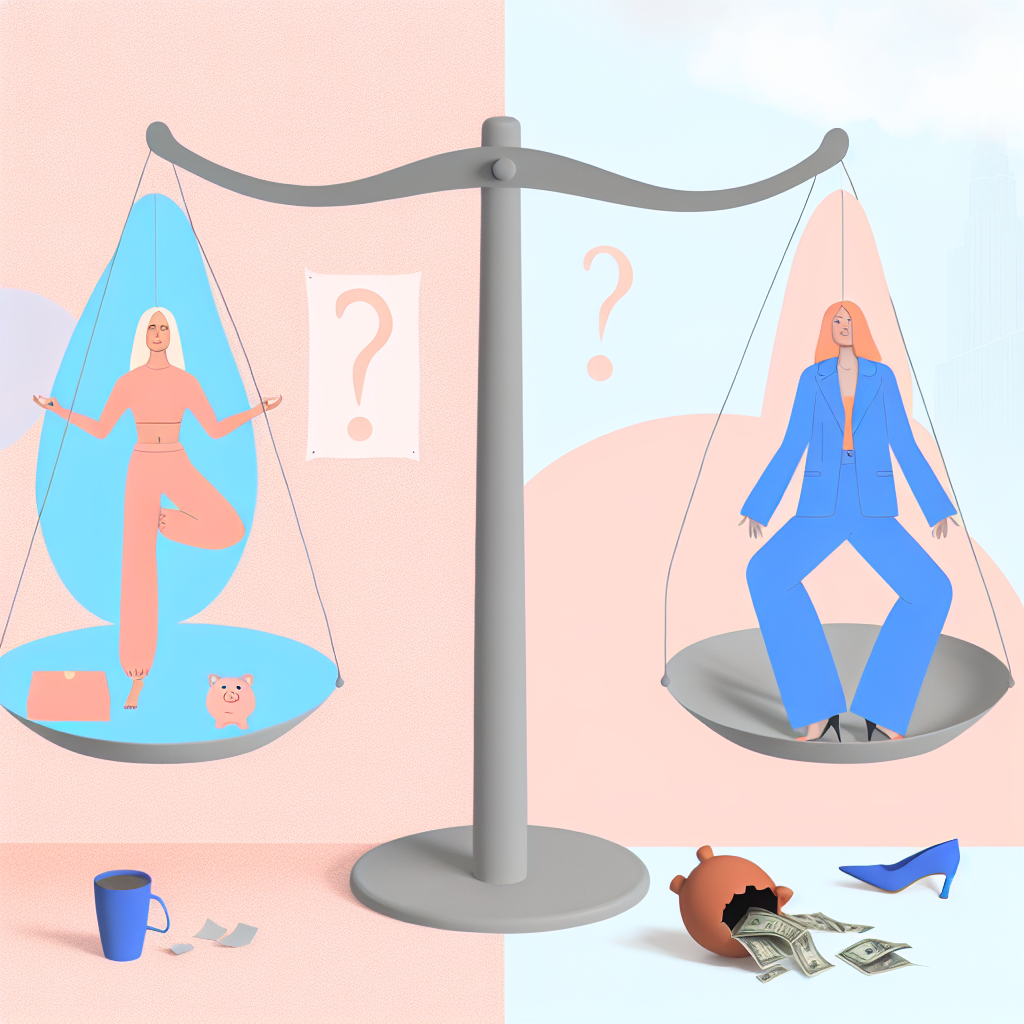
Yet, beneath this glimmering surface is a different reality. Many followers of this movement find themselves drained financially, emotionally depleted, and surprisingly invisible—dissolving into a homogenous mass of curated aesthetics. There’s an intriguing paradox at play: while the **soft girl era** claims to prioritize **wellbeing**, in practice, it often leads to superficial engagement with self-care, erodes authentic confidence, and stifles individuality. This approach primarily paints wellness as a series of consumable products and rituals, equating lifestyle with high expenditure on temporary fixes rather than sustainable growth.
Reality for adherents quickly sets in. More money spent chasing this version of wellness equates to less financial flexibility for exploring true passions or self-advancement opportunities. The push towards appearing effortlessly chic often translates to exhaustion from maintaining a perfectly curated online presence, rather than achieving any substantial personal fulfillment. Furthermore, the pressure to align with an archetype of **femininity** that emphasizes passivity and surface-level care diminishes one’s agency, leaving many women feeling unseen—a paradox given the movement’s proclaimed values.
We must remind ourselves that femininity is neither singular nor static. A more meaningful form of empowerment lies in what I refer to as “**power-rooted femininity**.” This outward manifestation of internal strength is grounded in authenticity, the courage to disrupt the norms, and the wisdom to invest in experiences and practices that cultivate growth from within—not just in temporary pleasures’ ephemeral shopping cart.
Features:
Understanding the allure of the **soft girl wellness aesthetic** requires exploring societal context. In recent years, the pressure to hustle relentlessly began mounting backlash, leading to a cultural shift favoring self-care. However, **commodification** of wellness quickly followed, leading to an industry worth billions ([How Self-Care Became So Much Work](https://www.npr.org/sections/health-shots/2019/05/28/726261365/how-self-care-became-so-much-work)). The soothing claims about these wellness trends’ benefits often lack substantial scientific grounding and risk eclipsing the overwhelming evidence that true wellness is about balance and behavioral change rather than products.
Dr. Laurie Santos, a psychologist from Yale, has taught extensively about happiness and well-being. Her studies and teachings emphasize that real happiness derives from social connections’ quality, having life meaning, and purposeful activities engagement ([The Science of Well-Being](https://www.coursera.org/learn/the-science-of-well-being)). This contrasts starkly with the “buy to feel good” philosophy in the **soft girl wellness culture**.
Moreover, the repercussions of an aesthetic-led wellness focus can be significant. Financial implications arise from frequently purchasing branded products promising peace and happiness but actually contribute to stress due to unsustainable spending. Nicholas Epley, a professor of behavioral science at the University of Chicago, notes that mindless consumerism is closely linked with stress and cognitive fatigue, detracting from wellbeing ([Mindwise](https://research.chicagobooth.edu/kilts/research/behavioral-consumption/epley-mindwise)).
Furthermore, continually conforming to socially constructed femininity can reduce a woman’s agency or sense of self, leaving her feeling invisible behind a glossy facade. Studies in the Journal of Consumer Research discuss how over-commitment to a particular social identity—such as “soft girl” aesthetics—can alienate individuals from genuine self-reflection and growth ([Consumer Identity and Ersatz Empowerment](https://academic.oup.com/jcr/article/43/4/602/2222390)).
Conclusion:
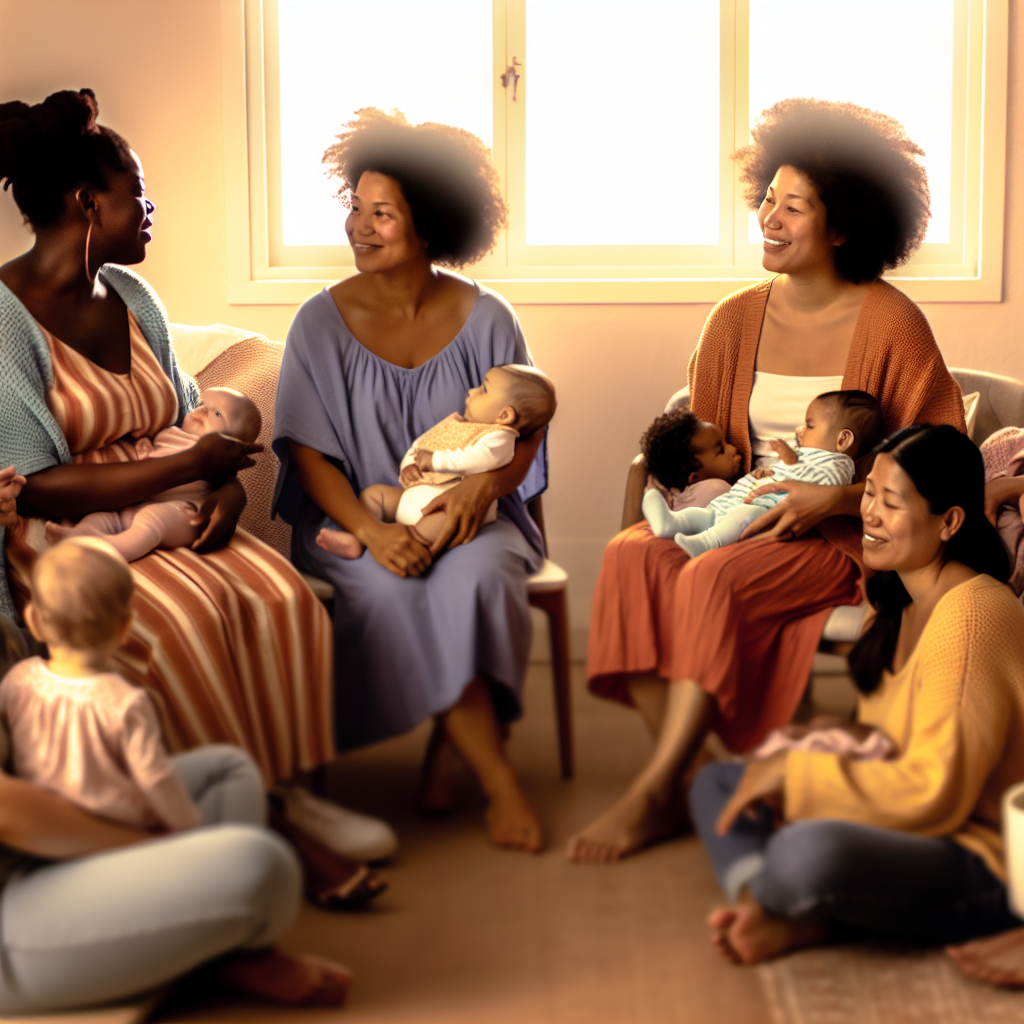
Reclaiming femininity through a power-rooted approach means embracing authenticity and nurturing strength from within. It involves making deliberate, informed choices and rooting out the courage to chart a path truly representing your individual essence. While indulging in self-care rituals can serve as an entry point, real empowerment lies in building a life of meaningful connections, challenging conventions, and investing in experiences fulfilling your true aspirations.
**Summary:**
The “soft girl wellness era” suggests a life of relaxation and self-care but often leads to financial strain, exhaustion, and invisibility. It promotes a consumable wellness facade driven by high expenses and surface-level self-care while stifling authentic confidence and individuality. True empowerment, termed “power-rooted femininity,” lies in authentic expression, challenging norms, and personal growth investments, contrasting the aesthetic-focused wellness that can compromise financial and emotional wellbeing. Real happiness comes from meaningful connections and purposeful engagement, rather than consumerism-led strategies.

Dominic E. is a passionate filmmaker navigating the exciting intersection of art and science. By day, he delves into the complexities of the human body as a full-time medical writer, meticulously translating intricate medical concepts into accessible and engaging narratives. By night, he explores the boundless realm of cinematic storytelling, crafting narratives that evoke emotion and challenge perspectives. Film Student and Full-time Medical Writer for ContentVendor.com