Why Modern Women Burn Out More on “Balance” Than Hustle—And What to Do Instead
Introduction
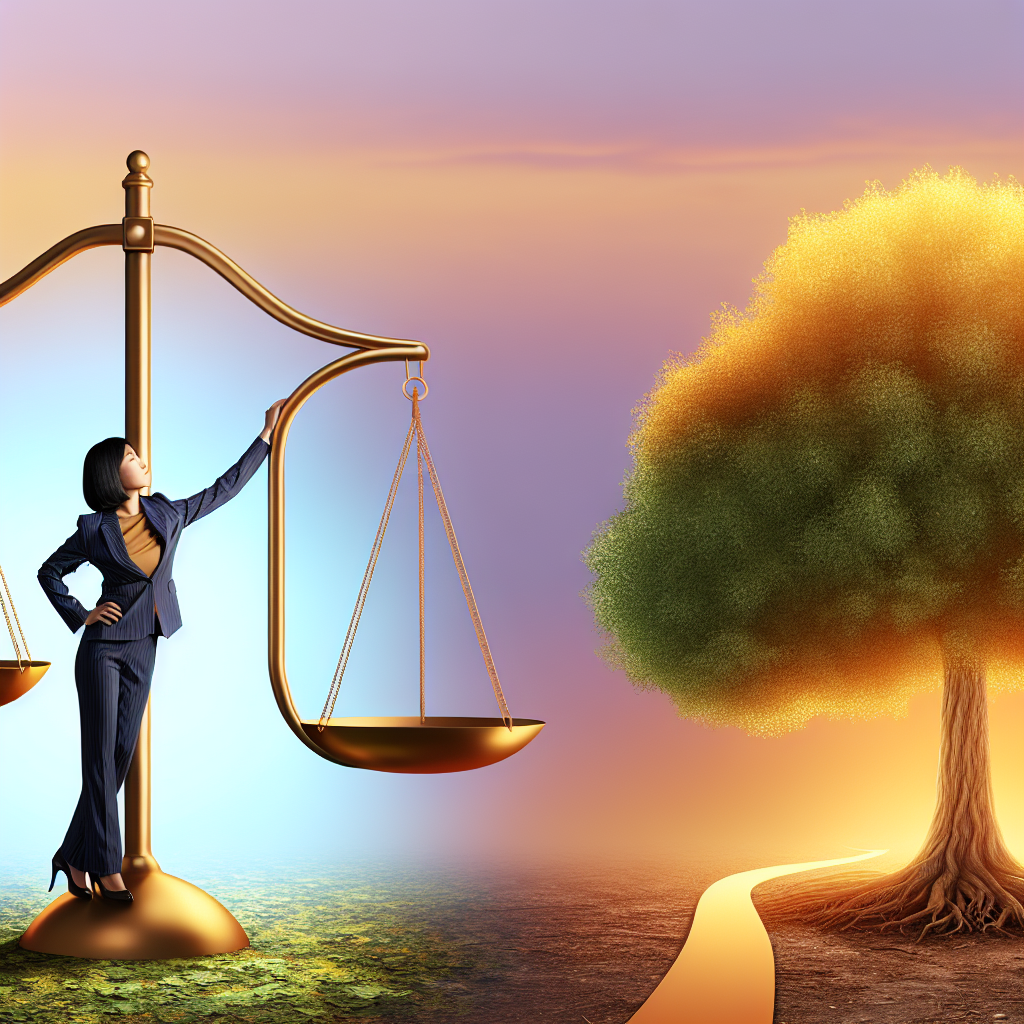
In today’s fast-paced world, the quest for a **lavish lifestyle** is often tied to achieving **work-life balance**. Many modern women aspire to “have it all”—a successful career, fulfilling personal life, and luxurious experiences—amplified by curated snapshots on **social media**. Contrary to expectations, this pursuit often leads to **burnout**. Traditionally, **hustle culture** was linked to stress, but women now face burnout from the unattainable pursuit of perfect balance. Maintaining equilibrium amidst competing priorities incurs chronic stress, while societal pressures foster guilt and self-doubt, pushing women to overcommit.
Features
Scientific research highlights the damaging impact of chasing balance. The *Journal of Applied Psychology* states that the pressure to manage various life roles without faltering increases stress and reduces job satisfaction (Allen et al., 2013). A study by the **American Institute of Stress** underscores that 77% of people experience stress-induced physical symptoms, hitting women harder (AIS, 2023). This comes from societal expectations and self-imposed standards, exacerbating burnout.
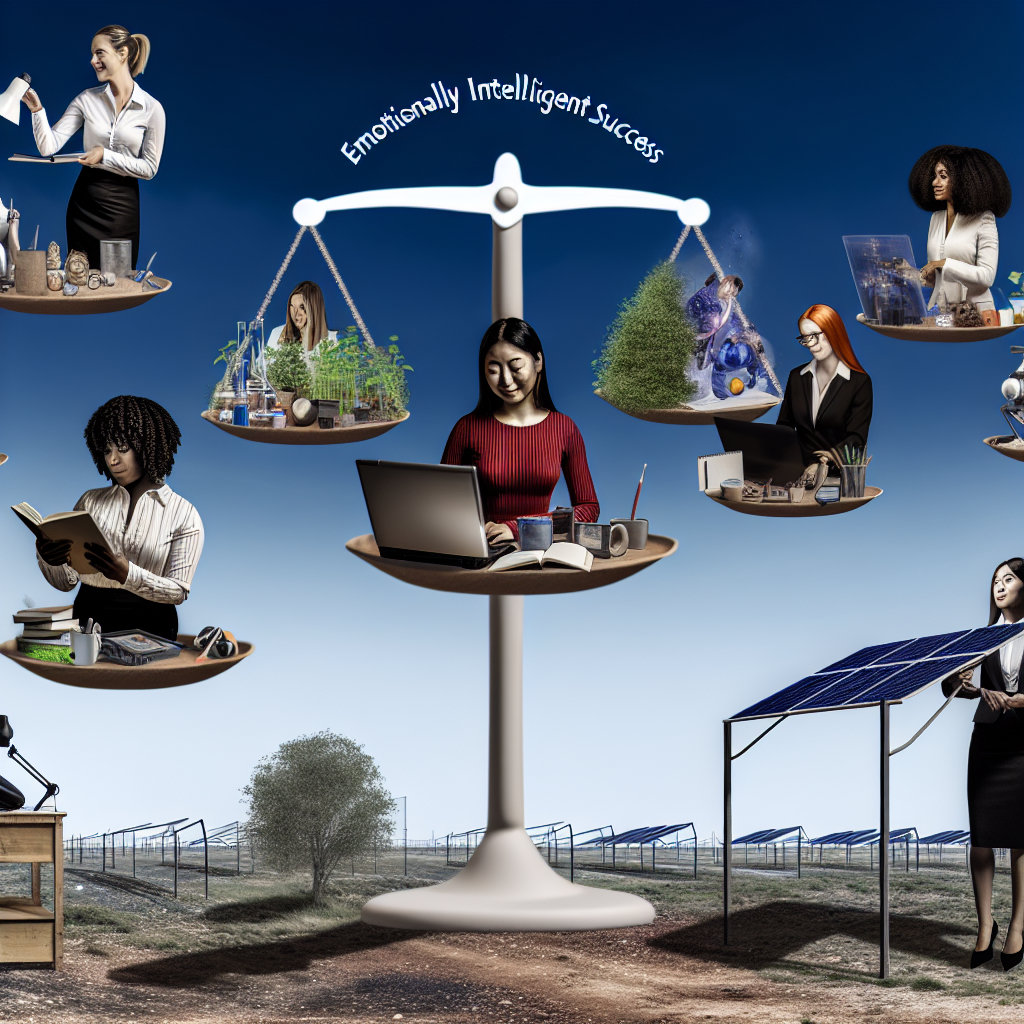
**Perfectionism** is a key factor, with many modern women striving to meet high standards across all life areas. By doing so, they neglect self-care, vital for mental and physical health. Experts suggest shifting away from balance as a static goal. Embracing work-life integration, which allows for natural priority shifts, is becoming more appealing. Moreover, practicing self-compassion is essential. Dr. **Kristin Neff** emphasizes the importance of self-kindness during setbacks, proving it can reduce stress and boost well-being (Neff, 2023).
Conclusion
The allure of a lavish lifestyle with perfect balance leads many women to burnout. Recognizing the difference between hustle and balance is critical. By refining personal success markers, accepting life’s ebb and flow, and practicing self-compassion, women can enjoy fulfilling lives without chasing unattainable ideals.
References
1. Allen, T. D., Herst, D. E., Bruck, C. S., & Sutton, M. (2013). [Consequences associated with work-to-family conflict: A review and agenda for future research](https://doi.apa.org/doiLanding?doi=10.1037%2Fa0033538). *Journal of Applied Psychology*.
2. American Institute of Stress. (2023). [Stress statistics](https://www.stress.org/daily-life).
3. Curran, T. & Hill, A. P. (2019). [Perfectionism is increasing over time: A meta-analysis of birth cohort differences from 1989 to 2016](https://journals.sagepub.com/home/psr). *Personality and Social Psychology Review*.
4. Neff, K. D. (2023). [Self-compassion research](https://self-compassion.org/).
**Concise Summary**
In the modern age, women often face burnout not from relentless pursuit (or “hustle”), but from seeking an elusive work-life **balance**. This balance is seen as essential but proves challenging to maintain amid societal and self-imposed standards. Research suggests focusing on work-life integration and self-compassion to better handle these pressures, shifting away from a static concept of balance that leads to stress and burnout.

Dominic E. is a passionate filmmaker navigating the exciting intersection of art and science. By day, he delves into the complexities of the human body as a full-time medical writer, meticulously translating intricate medical concepts into accessible and engaging narratives. By night, he explores the boundless realm of cinematic storytelling, crafting narratives that evoke emotion and challenge perspectives. Film Student and Full-time Medical Writer for ContentVendor.com