The Hidden Cost of “Boss Babe Energy”: Why Over-Performing Femininity Is the New Burnout Trap
**Introduction**
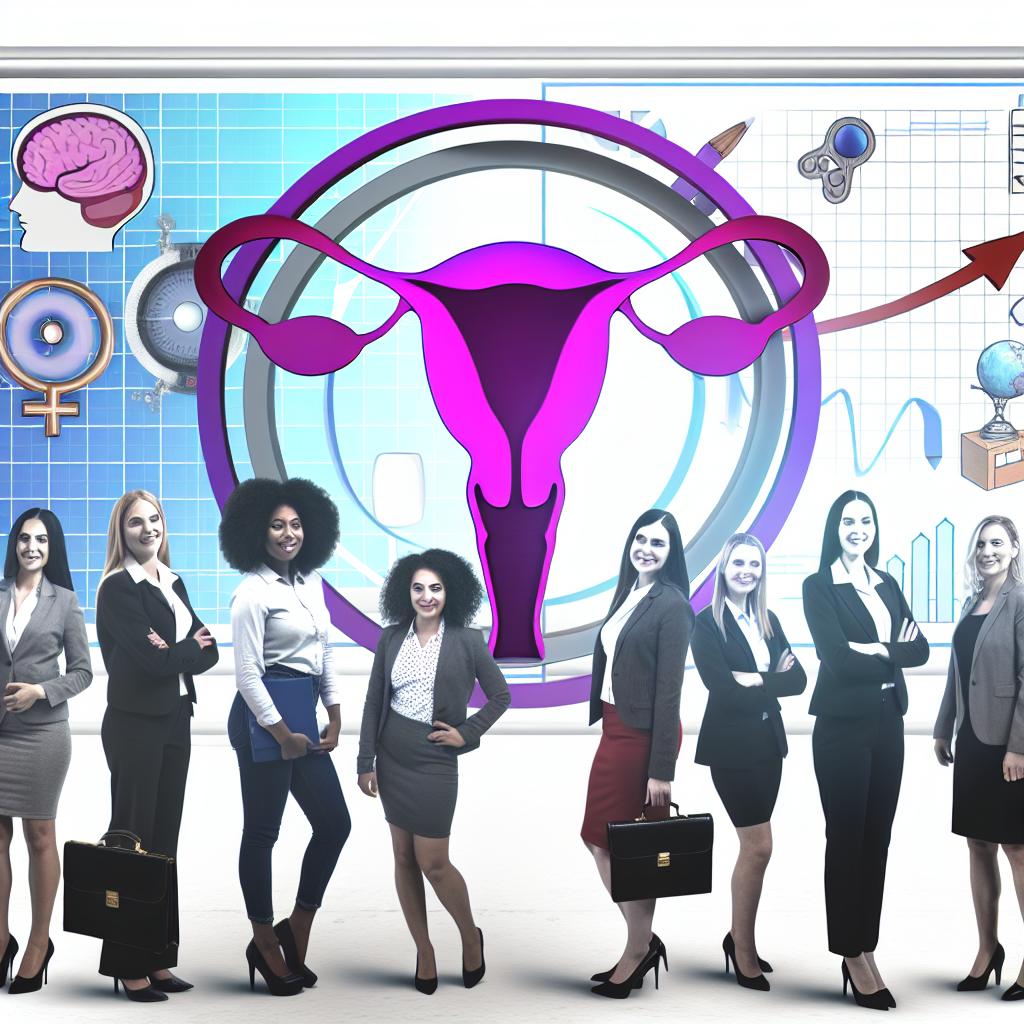
In an age where the digital world sets the stage for burgeoning brands and groundbreaking female leaders, the term **“Boss Babe Energy”** has taken center stage. It’s a moniker that suggests a delicate balance of power, poise, and pizzazz. For many women, embodying this persona is an empowering declaration of ambition and independence—a clarion call for those who dare to dream big and work even bigger. However, beneath the glamorous veneer of success, a perilous trap often lies in waiting: the silent, lurking beast of **burnout**.
The **pressure** to over-perform femininity is both subtle and pervasive, manifesting in the incessant pursuit of a picture-perfect career and lifestyle image that checks all societal boxes. “Boss Babe Energy” tends to celebrate women who appear effortlessly flawless—those who can juggle corporate boardrooms, social engagements, personal branding, and sculpted **Instagram feeds** with a smile. However, the toll this takes is real, leaving many trapped in cycles of exhaustion as they strive to maintain the illusion of perfection.
**Over-performance** isn’t just about doing more; it’s about doing more with the veneer of ease and elegance. The modern workplace and digital spaces often demand this taxing blend of authenticity and allure, pushing individuals to the brink in pursuit of perceived perfection. The inconspicuous nature of this burden makes it a hidden adversary—masking the specter of burnout until its effects become unavoidable.
Yet, amid record levels of **stress** and **anxiety**, the underbelly of “Boss Babe Energy” threatens the very essence of well-being. The **hustle culture**, while celebrated, often glamorizes chronic overwork, pushing women to stretch thin their psychological and emotional resources without a safety net. This phenomenon isn’t just anecdotal; it’s a recognized cycle that reflects the wider cultural imperatives surrounding **gender roles** and professional success.
**Features**
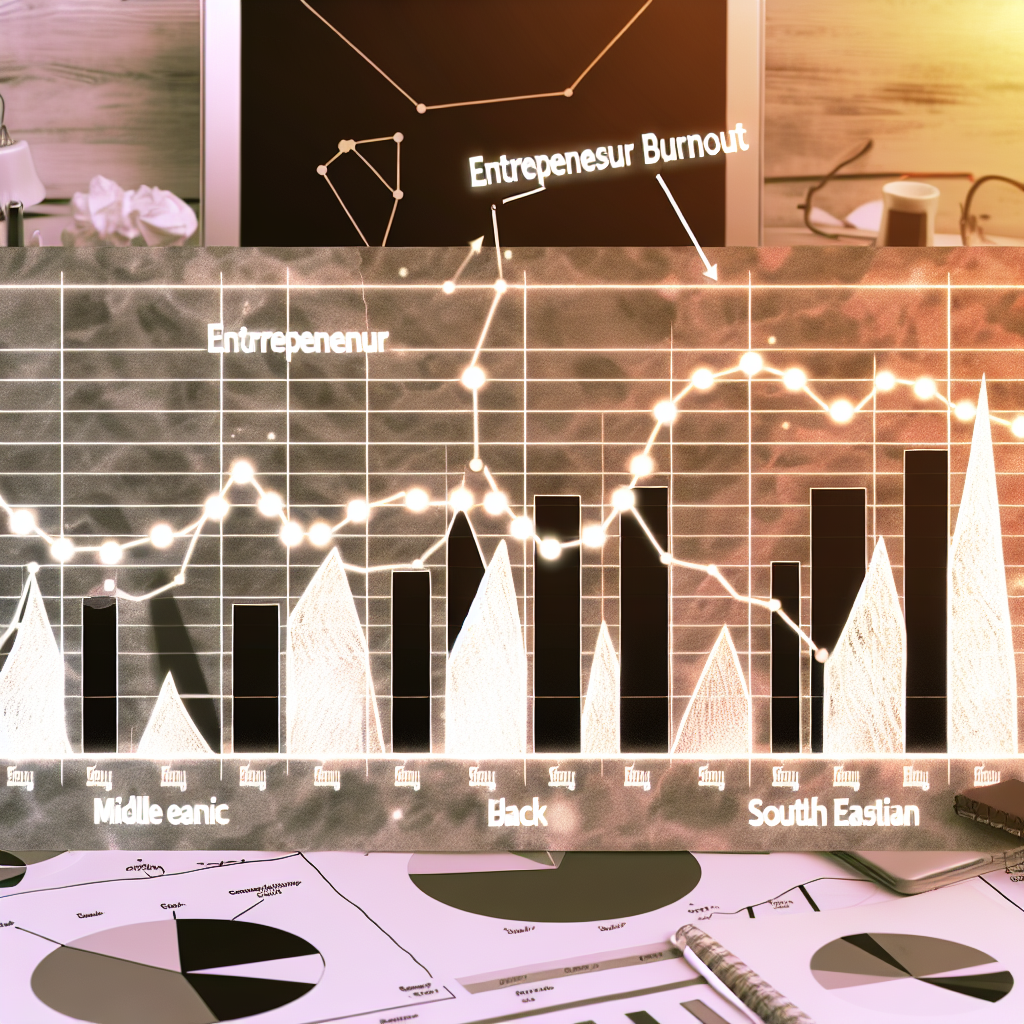
Recent **studies** have delved into the nexus of over-performing femininity and its tangible impact on **mental health**. The **American Psychological Association (APA)** has emphasized that while pursuing career excellence and social prowess is commendable, the expectations placed on professional women can lead to heightened stress levels and eventually burnout. A staggering report from **Gallup** indicates that 28% of women report feeling burned out “very often” or “always,” in stark contrast to their male counterparts.
Psychologist and gender studies researcher Dr. Susan Guilbeault highlights that the societal construct of femininity often entails pleasing and performative behaviors, pushing women to go above and beyond to prove worthiness in male-dominated spaces. This not only exacerbates stress but perpetuates a cycle of overcompensation that many find challenging to break free from.
Medical studies reflect similar findings. Research published in the **Journal of Occupational Health Psychology** indicates that women in high-pressure jobs excessively align with traits stereotypically perceived as feminine, like warmth and empathy, yet feel pressured to also embody traits regarded as masculine, such as assertiveness and competitiveness. This dual expectation amplifies cognitive dissonance and stress, further exacerbated by the relentless connectivity of our digital age.
This cultural and psychological interplay elucidates why strategies merely focusing on time management or productivity may not suffice. Instead, approaches prioritizing mental health and establishing realistic personal and professional boundaries are crucial. Institutions like **Harvard Business Review** suggest leaning more into supportive structures and re-evaluating performance indicators for women, cultivating environments that foster genuine work-life balance.
**Conclusion**
Navigating the complexities of modern femininity and ambition becomes paramount, prompting a reassessment and redefinition of what “Boss Babe Energy” truly means. Striking a balance where accomplishment meets authenticity can pave the way for a new paradigm, one where women don’t just survive under the weight of expectations but thrive beyond them. Real empowerment beckons a shift away from exacting ideals to a more inclusive and compassionate approach to success.
**References**
1. [American Psychological Association – Stress in America](https://www.apa.org/news/press/releases/stress)
2. [Gallup – U.S. Employee Engagement Rises Following Wild 2020](https://www.gallup.com/workplace/336448/employee-engagement-holds-pandemic-mass-disruption.aspx)
3. [Journal of Occupational Health Psychology](https://www.apa.org/pubs/journals/ocp/)
4. [Harvard Business Review – How Our Work-from-Home Culture is Damaging Women’s Careers](https://hbr.org/2020/07/how-our-work-from-home-culture-is-damaging-womens-careers)
**Concise Summary**
The concept of “Boss Babe Energy” exemplifies an ideal of ambition and flawlessness among professional women. Yet, this ideal often obscures the risk of burnout from over-performing femininity. Studies reveal that this pressure exacerbates stress among women, stemming from societal and professional expectations. Addressing this requires redefining “success” and embracing well-being over unrealistic ideals, ensuring environments that nurture balance and genuine empowerment beyond merely surviving the weight of these demands.

Dominic E. is a passionate filmmaker navigating the exciting intersection of art and science. By day, he delves into the complexities of the human body as a full-time medical writer, meticulously translating intricate medical concepts into accessible and engaging narratives. By night, he explores the boundless realm of cinematic storytelling, crafting narratives that evoke emotion and challenge perspectives. Film Student and Full-time Medical Writer for ContentVendor.com