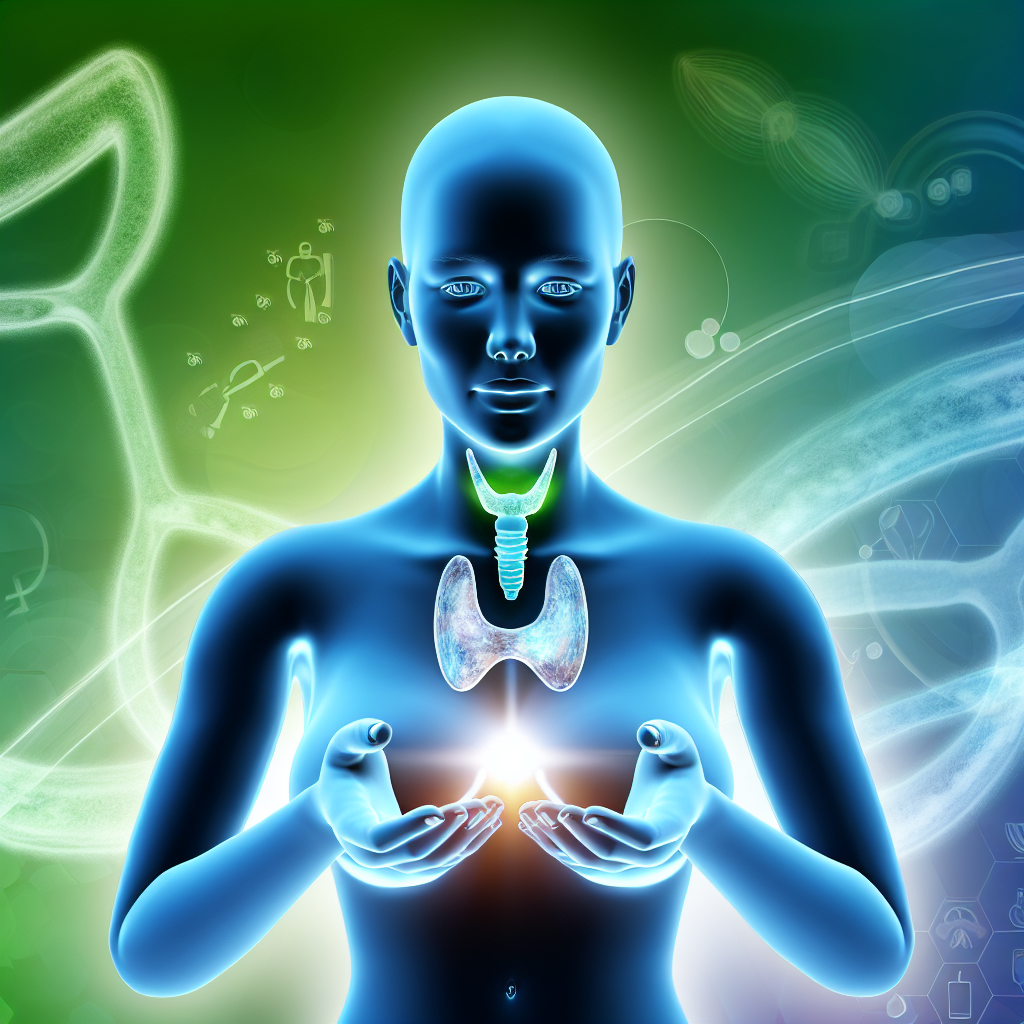
Partnership Communication During Menopause
Introduction
Luxury isn’t only defined by what you wear, drive, or display. It’s also about the quality of your relationships, emotional wellbeing, and the level of understanding between life partners—especially during life’s transitions. One such transitional period that often isn’t addressed with the grace and depth it deserves is menopause.
As a high-functioning, dynamic couple living a lavish lifestyle, it’s imperative to prioritize interpersonal communication during this stage, ensuring that both partners remain connected, supportive, and aligned.
Menopause, often seen merely as a biological phase, is in fact a deeply transformative experience that includes physical, emotional, and psychological changes. Women typically enter menopause between the ages of 45 and 55, though perimenopausal symptoms can begin several years earlier. These changes—from hot flashes and night sweats to mood swings and memory lapses—aren’t just taxing on women’s health; they can affect their intimate relationships, communication dynamics, and emotional trust within a partnership.
In the world of high-performing individuals, time is valuable, and expectations of self-composure are high. But menopause doesn’t discriminate based on social or economic status. Even the most poised, empowered women can find themselves navigating the emotional turbulence of midlife hormonal changes. It’s a moment in time that calls for intentional conversations—not just medical interventions.
Effective communication becomes the most luxurious gift couples can offer one another during this season. Whether you’re jet-setting between international destinations, running a multi-channel empire, or immersed in philanthropy, acknowledging and openly discussing the nuances of menopause can actually deepen intimacy and resilience in your relationship. This isn’t about commiserating—it’s about empowering each other to move through this evolutionary process with grace, initiative, and compassionate understanding.
True luxury lies in nurturing emotional intelligence and relationship adaptability. Understanding how to communicate during this transformational stage is not only empowering—it’s profoundly luxurious.
Scientific and Medical Insights
Professional and medical research underscores that communication during menopause plays a pivotal role in emotional and relationship health. Experts in psychology and women’s health agree that open and supportive dialogue between partners significantly eases the challenges of this phase.
A 2020 study published in the journal Menopause found that women experiencing menopausal transitions who received empathy and understanding from their partners experienced significantly lower levels of anxiety and depression. This shows how emotional support and open communication can alleviate some of the heavier psychological burdens of menopause.
The North American Menopause Society (NAMS) emphasizes the importance of social and spousal support. Women with emotionally engaged partners are more likely to seek appropriate medical treatment and adopt healthier lifestyle changes. Informed and supportive partners ask questions, remain present without judgment, and foster trust—resulting in a more secure and intimate bond.
In guidance from Harvard Medical School, couples are advised to see menopause not as a solitary woman’s issue, but a shared life transition. Allocating time for meaningful conversation, exploring changes in physical intimacy, and adjusting daily routines lead to improved wellbeing for both individuals in the relationship. Experts emphasize that libido may fluctuate during menopause, and that honest communication about these changes strengthens emotional connection.
Prominent OB-GYN and author of The Menopause Manifesto, Dr. Jen Gunter, stresses the significance of both partners being educated on menopause. Understanding its physiological changes helps dispel myths and reduce outdated stigmas. With knowledge, partners can co-create a space of emotional stability and even spark renewed relational chemistry.
Insights from the Gottman Institute support these ideas, adding that couples who engage in frequent, empathic communication and mutual validation enjoy higher long-term satisfaction in relationships. Especially in what might be coined “luxury relationships,” where success and emotional depth intersect, adaptability during menopause becomes both an art and necessity.
Conclusion
At its core, luxurious living transcends material possessions. It’s about intention, self-evolution, and nurturing deep human connections. Partnership communication during menopause calls couples to embrace vulnerability, emotional eloquence, and mutual understanding.
This life chapter isn’t a time to retreat, but one to deepen love, grow resiliently, and embrace life’s evolution side by side. With grace, curiosity, and informed presence, couples can transform menopause into an era of shared strength, enhanced intimacy, and emotional richness. When viewed through this lens, menopause becomes not a challenge, but a stepping stone to an even more extraordinary life together.
Concise Summary
Menopause is a significant life transition that impacts physical, emotional, and relational well-being—especially for high-functioning couples. Intentional, empathetic communication during menopause fortifies intimacy and helps partners navigate the changes together. Medical research and experts affirm that mutual understanding and emotional presence reduce symptoms of depression, improve relational satisfaction, and deepen connection. Embracing this phase collaboratively transforms menopause into an opportunity for shared growth, emotional richness, and elevated partnership.
References
– North American Menopause Society (NAMS)
– Menopause Journal – Lippincott Williams & Wilkins
– Harvard Medical School – Women’s Health
– Dr. Jen Gunter – The Menopause Manifesto
– Gottman Institute – Relationship Dynamics and Communication

Dominic E. is a passionate filmmaker navigating the exciting intersection of art and science. By day, he delves into the complexities of the human body as a full-time medical writer, meticulously translating intricate medical concepts into accessible and engaging narratives. By night, he explores the boundless realm of cinematic storytelling, crafting narratives that evoke emotion and challenge perspectives. Film Student and Full-time Medical Writer for ContentVendor.com