Mind-Body Connection for Emotional Wellness
Introduction
In today’s fast-paced and success-obsessed world, the pursuit of emotional wellness is no longer a luxury—it’s a necessity. For those who aspire to a lavish lifestyle, true opulence transcends fine dining, bespoke fashion, and designer destinations. Emotional well-being is the cornerstone of living well, and at the heart of such holistic luxury lies the mind-body connection.
This concept is not just a vague wellness buzzword. The mind-body connection is a sophisticated interrelationship between our mental and physical states. It is closely linked to how we interpret and experience the world around us. Recent psychological and physiological research suggests that our thoughts, emotions, and beliefs can directly affect our biological functioning—and vice versa. This is especially crucial for high-performing individuals with demanding lifestyles who face continuous stress, decision fatigue, and emotional overload.
The lavish lifestyle, after all, is not solely about material accumulation but about creating a life that feels as exquisite as it appears. Practices like aromatherapy in Monaco, guided meditation in Aspen, or lymphatic massages in Milan are far from indulgences—they are strategic tools for aligning one’s internal equilibrium.
Embracing the mind-body connection means investing in emotional intelligence, stress modulation, and mental clarity to enhance both professional performance and personal fulfillment. Whether you’re a C-suite executive, a cultural tastemaker, or a luxury lifestyle curator, this connection helps you remain calm, poised, and radiant under pressure.
Just as we invest in our appearance, our portfolios, and our real estate, we must also invest in the synergy between body and mind. Prioritizing this connection is a vital lifestyle strategy for those seeking long-term clarity, resilience, and joy.
Features: Scientific Foundations of the Mind-Body Paradigm
The modern understanding of the mind-body connection has evolved from speculative philosophy into a clinically supported medical principle. A growing body of empirical evidence confirms that emotional states have demonstrable impacts on physical health. These influences occur through integrated systems like neural signaling, hormonal pathways, and immune system regulation.
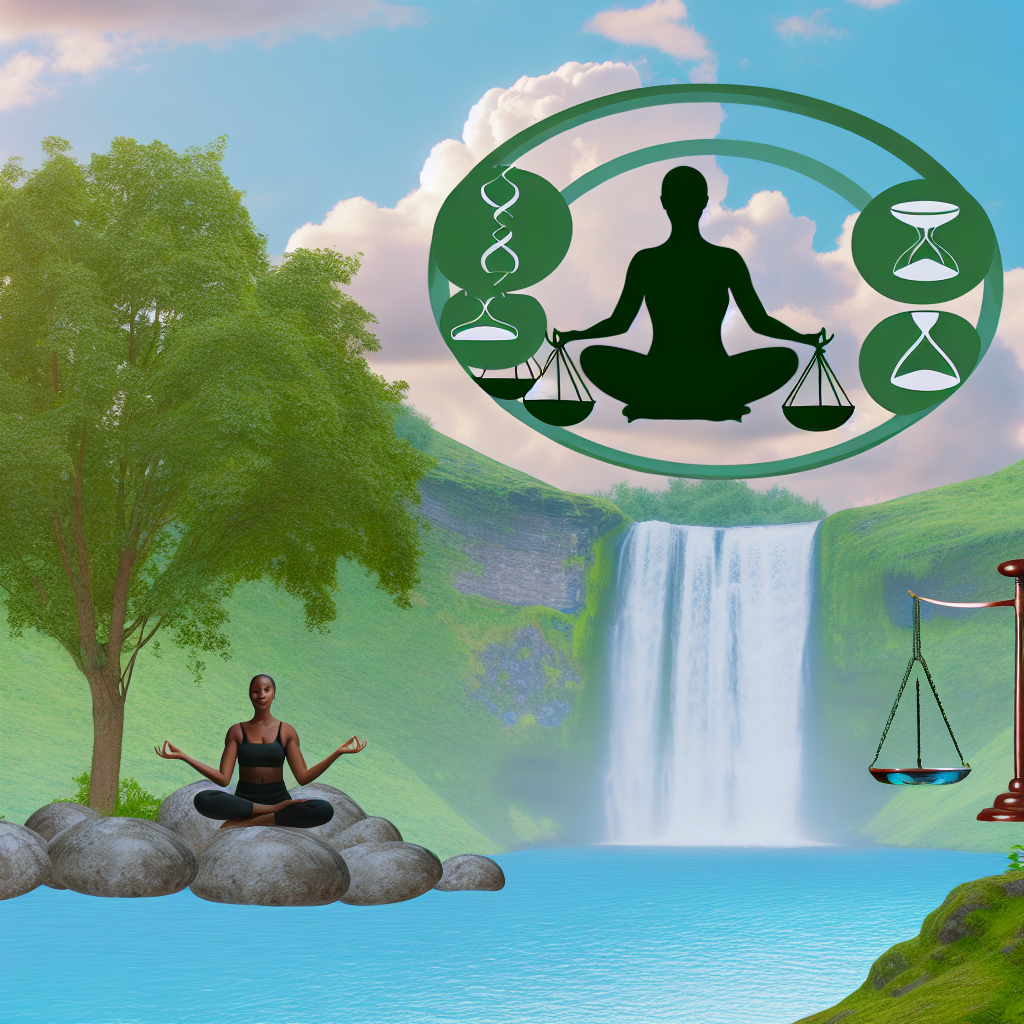
Institutions such as Harvard Medical School are at the forefront of research into mind-body medicine. Their studies demonstrate that practices such as meditation, yoga, and deep-breathing exercises can lower cortisol levels, reduce chronic inflammation, and increase telomerase activity—an enzyme crucial for DNA repair and cellular longevity.
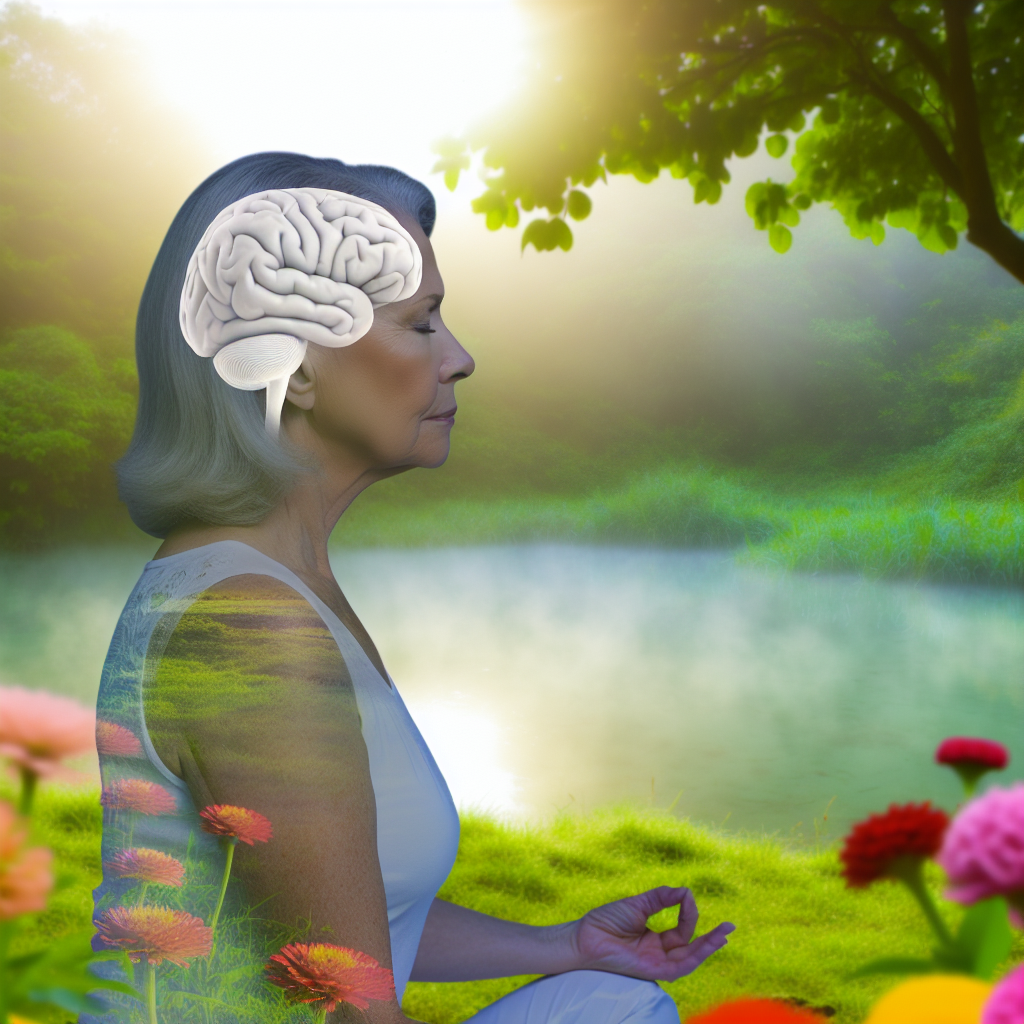
A particularly influential study in the journal Psychosomatic Medicine conducted by the University of Wisconsin-Madison found that individuals who practiced mindfulness showed enhanced brain activity in regions responsible for emotion regulation, attention, and cognitive flexibility—qualities essential for navigating high-performing lifestyles.
Another compelling study from the journal Emotion revealed that participants engaging in mindful breathing exhibited heightened heart rate variability (HRV)—a physiological marker of emotional adaptability and parasympathetic nervous system activation. This indicates a more resilient emotional baseline, particularly under stress.
Top-tier wellness centers like Canyon Ranch in Tucson, SHA Wellness Clinic in Spain, and The Lanserhof Tegernsee in Germany now offer bespoke mind-body programs that merge traditional healing arts with cutting-edge science. These experiences often include EEG brain mapping, personalized breathwork, and holistic diagnostics to formulate emotionally enriching wellness journeys tailored to each client’s neurobiological profile.
Additionally, the emerging discipline of psychoneuroimmunology (PNI) reveals how chronic stress can impair immune response and accelerate cellular aging. According to findings by the NIH National Library of Medicine, unmanaged emotional stress correlates strongly with increased vulnerability to disorders ranging from the common cold to autoimmune disease.
Whether engaging a transformation coach, exploring somatic therapy, or fine-tuning movement routines to suit your biorhythm, one message is clear: committing to the mind-body paradigm enhances emotional regulation, mental stamina, and stress resilience.
These are not just wellness luxuries—they are strategic advantages in an increasingly demanding world where emotional elegance is its own form of intellectual and cultural capital.
Conclusion
Integrating the mind-body connection into your high-end lifestyle is the ultimate expression of inner elegance. It means cultivating emotional agility, mental brilliance, and physical vibrancy. When emotional wellness becomes part of your ethos, every facet of life—whether it’s relationships, achievements, or indulgences—elevates in harmonious flow.
True luxury begins within, and by tending to the exquisite interplay of mind and body, you awaken not only health and longevity, but also a radiant, composed presence that defines modern affluence.
References
- Harvard Health Publishing – Train your brain for happiness
- American Psychological Association – Journal of Emotion
- NIH National Library of Medicine – Psychoneuroimmunology Overview
- Psychosomatic Medicine Journal – Mindfulness Meditation Research
- Lanserhof Tegernsee – Holistic Retreat Information
- SHA Wellness Clinic – Integrative Mind-Body Programs
Concise Summary
The art of emotional wellness is essential for sustainable luxury living. The mind-body connection—rooted in scientific advances—reveals how our mental states shape our physical health and vice versa. High performers benefit from mindfulness, meditation, and somatic therapies that foster emotional equilibrium, mental clarity, and greater resilience. Groundbreaking research from institutions like Harvard and wellness hubs such as SHA Clinic prove emotional sophistication is the new pinnacle of affluence. Prioritizing this synergy is not mere self-care—it’s a lifestyle tactic for clarity, joy, and personal mastery. True luxury, after all, begins within.

Dominic E. is a passionate filmmaker navigating the exciting intersection of art and science. By day, he delves into the complexities of the human body as a full-time medical writer, meticulously translating intricate medical concepts into accessible and engaging narratives. By night, he explores the boundless realm of cinematic storytelling, crafting narratives that evoke emotion and challenge perspectives. Film Student and Full-time Medical Writer for ContentVendor.com