Couples’ Wellness Practices for Hormonal Balance
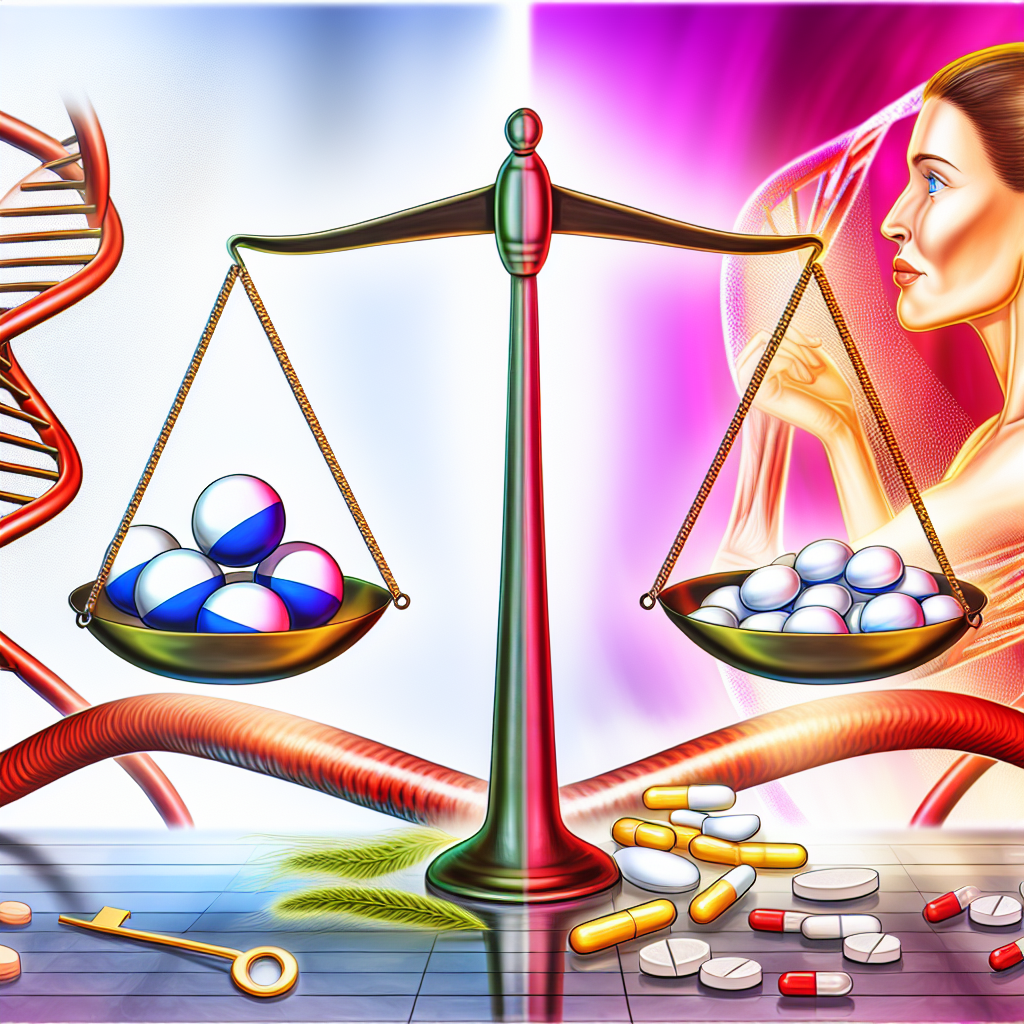
In today’s fast-paced world, the importance of maintaining a balanced **hormonal system** cannot be overstated. **Hormones** play a crucial role in regulating a myriad of physiological processes, including **mood stability**, **energy levels**, **reproductive health**, and even our **sleep cycles**. Disruptions in **hormone balance** can lead to various health issues, ranging from minor inconveniences to severe medical conditions. For couples aiming to live a lavish lifestyle, prioritizing **hormonal health** is essential. Why? Because achieving harmony within our bodies can amplify life’s pleasures, enabling us to relish the luxury experiences we so passionately pursue.
Embarking on a wellness journey as a couple can be both rewarding and motivating. Working towards **hormonal balance** together not only strengthens the bonds of a relationship but also facilitates shared experiences of improved vitality. Of course, the road to hormonal balance is not a one-size-fits-all journey. It involves a personalized approach, taking into consideration individual biological and lifestyle factors. However, there are practices that couples can adopt to enhance hormone health.
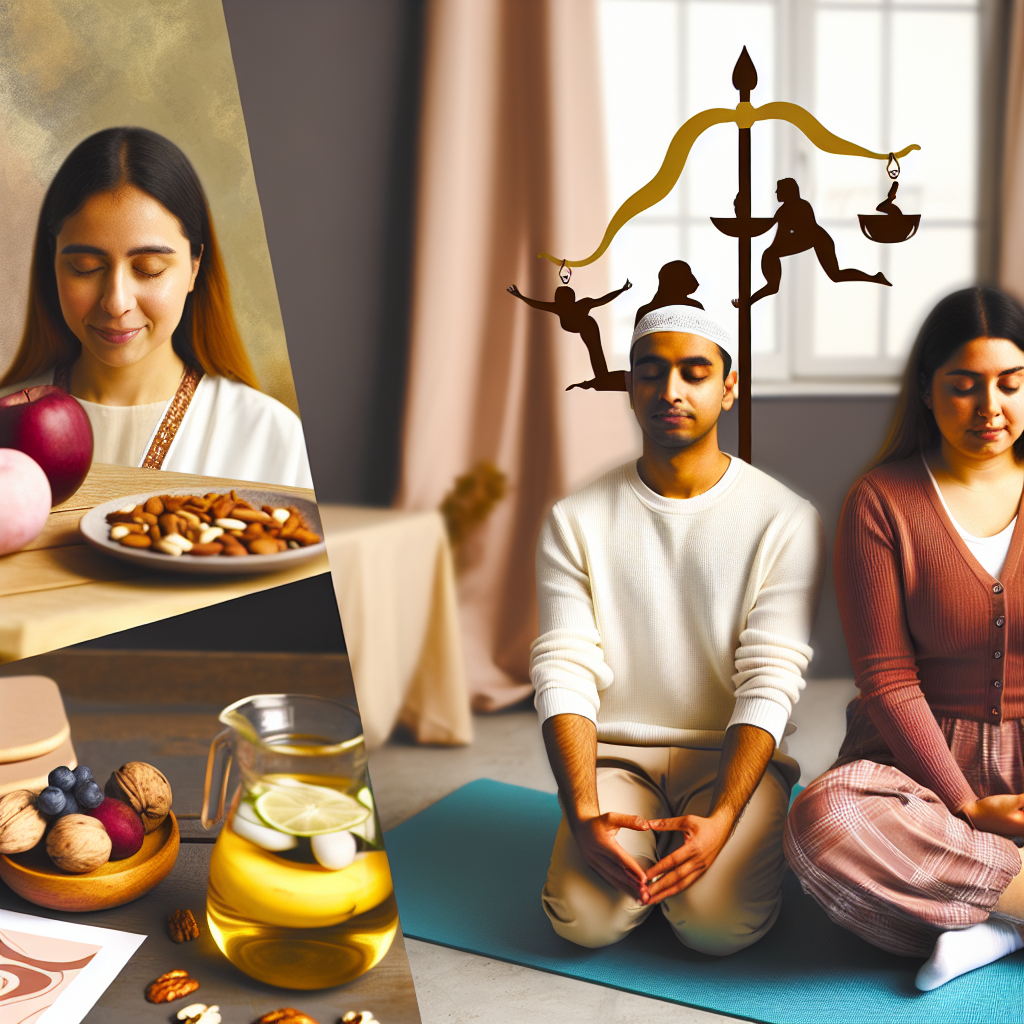
Foremost, **nutrition** plays a pivotal role in hormonal balance. Embracing a diet rich in whole foods, healthy fats, and antioxidant-rich ingredients can profoundly impact hormone regulation. Foods like **avocados**, nuts, seeds, and fatty fish are laden with nutrients that support the **endocrine system**. Additionally, it’s essential to limit processed foods and refined sugars, which can cause hormonal imbalances.
Moreover, engaging in regular **physical activity** is integral. A mix of **aerobic exercises**, **strength training**, and calming practices like **yoga** can modulate hormonal levels, stimulate **endorphin production**, and reduce stress hormones such as **cortisol**. The benefits of exercise extend beyond the physical realm, fostering emotional connections within couples as they engage in joint health pursuits.
**Quality sleep** is another cornerstone of hormonal health. Establishing a consistent sleep routine helps regulate hormones related to stress, appetite, and overall well-being. Creating a sleep-conducive environment and unwinding together with calming activities—be it reading, meditating, or sharing a moment of gratitude—can institute a peaceful nighttime ritual. Adding blackout curtains, maintaining a cool room temperature, or even using essential oil diffusers with soothing scents can enhance sleep quality.
Lastly, **stress management** techniques, ranging from **meditation** to **mindfulness exercises**, are vital. Chronic stress is a known disruptor of hormonal balance, leading to elevated levels of **cortisol** and affecting reproductive hormones. Couples who practice mindfulness together often find a shared tranquility and deeper intimacy.
Features: The Science Behind Hormonal Wellness
Numerous studies underscore the significance of lifestyle factors in maintaining **hormonal health**. According to a study published in the “[Journal of Clinical Endocrinology & Metabolism](https://academic.oup.com/jcem/article/90/3/1340/3096163),” **diet** influences the secretion of multiple hormones, including **insulin** and **leptin**, which are critical for energy regulation and appetite control.
In terms of **exercise**, research featured in the “[Journal of Strength and Conditioning Research](https://journals.lww.com/nsca-jscr/Abstract/2012/01000/Aerobic_and_Resistance_Training_Different_But.5.aspx)” highlights that both resistance and aerobic training have beneficial effects on hormonal markers like **testosterone** and **growth hormone**, which are essential for metabolic functions and muscle maintenance.
The role of **sleep** in hormone regulation is further accentuated in findings from the “[Sleep Medicine Reviews](https://www.sciencedirect.com/science/article/abs/pii/S1087079206000089)” journal. Adequate sleep fosters the balance of hormones involved in stress response, growth, and appetite. Inadequate sleep can lead to increased production of **ghrelin**, a hormone that stimulates hunger, and decreased levels of **leptin**, leading to weight gain and potentially affecting reproductive health.
**Stress management** as a practice is backed by numerous studies, including one from “[Health Psychology](https://psycnet.apa.org/doi/10.1037/a0035248),” which indicates that mindfulness-based stress reduction can significantly lower **cortisol levels**, promoting a healthier hormonal balance and improved mental health.
Conclusion
Embracing wellness practices as a couple not only paves the way for a balanced hormonal environment but also enriches the shared journey toward a lavish lifestyle. By incorporating whole foods into your diet, engaging in **physical exercise**, prioritizing restful **sleep**, and adopting **stress-reduction techniques**, you can foster an environment where love and luxury thrive. As we nurture our relationships and bodies, we position ourselves to savor life’s opulent experiences with vigor and harmony.
**Concise Summary**
Couples can enhance their well-being by adopting wellness practices that promote hormonal balance, crucial for mood, energy, and health. Essential practices include maintaining a diet rich in whole foods, engaging in regular physical activity, prioritizing quality sleep, and managing stress through mindfulness. Embracing these steps not only fosters personal vitality but also strengthens relationships, allowing couples to relish life’s luxurious experiences more fully. Studies from various journals support the profound impact of lifestyle on hormonal health, affirming the benefits of these shared health journeys.

Dominic E. is a passionate filmmaker navigating the exciting intersection of art and science. By day, he delves into the complexities of the human body as a full-time medical writer, meticulously translating intricate medical concepts into accessible and engaging narratives. By night, he explores the boundless realm of cinematic storytelling, crafting narratives that evoke emotion and challenge perspectives. Film Student and Full-time Medical Writer for ContentVendor.com