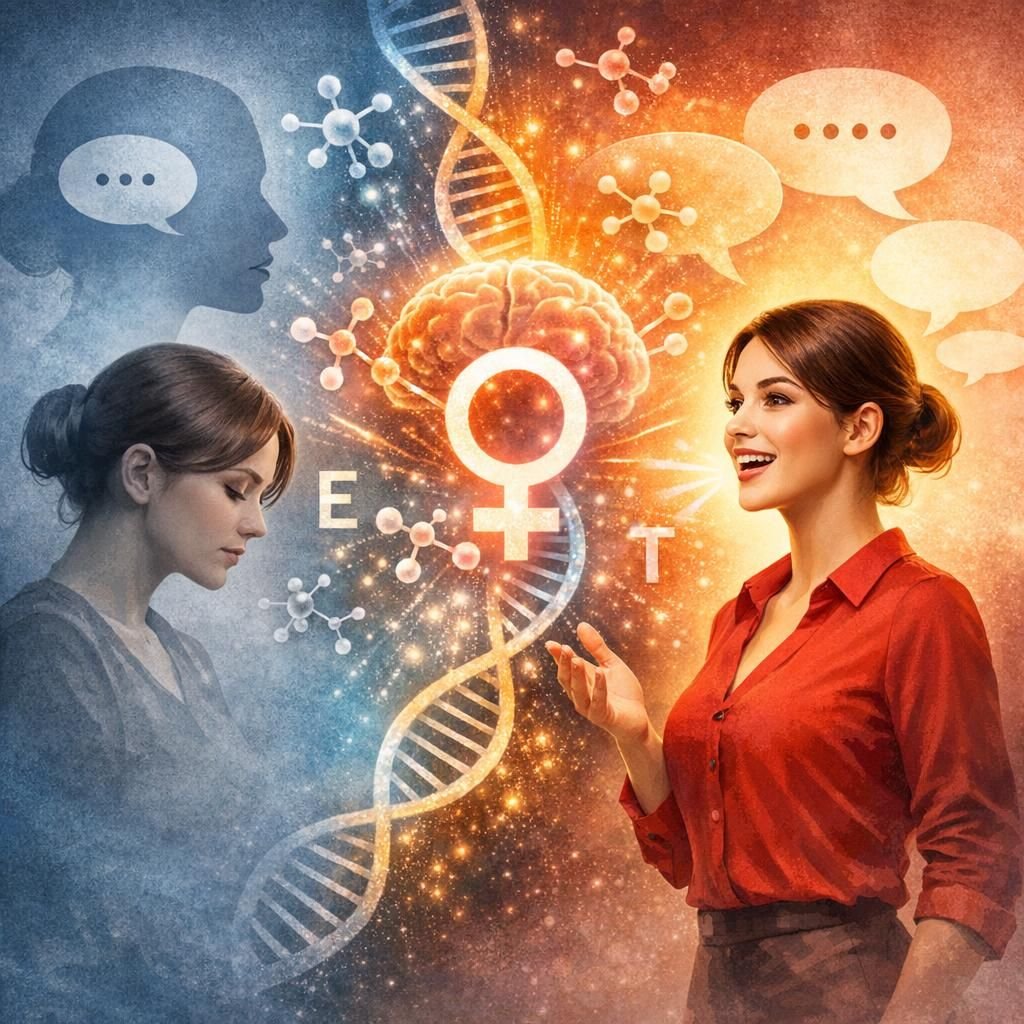
Romantic Relationship Dynamics and Hormonal Health
Introduction
In the ever-evolving pursuit of a lavish, holistic lifestyle, our most profound experiences often lie within the intimate connections we share. Romantic relationships are not just emotional experiences—they’re biological, psychological, and profoundly influential to our overall wellness. In particular, the correlation between romantic relationship dynamics and hormonal health has garnered notable attention among elite wellness professionals and high-caliber medical researchers.
For customers of MoxyGal, who strive to amplify every aspect of their curated lifestyle, understanding how emotional bonds affect hormonal equilibrium is crucial for fostering both thriving relationships and optimal health. Contrary to conventional thought, luxury living today extends far beyond designer wardrobes, private travel, and gourmet dining. It encompasses elite mental health, bio-customized wellness, and powerfully aligned relationships that not only satisfy emotional desires but also elevate physiological functions.
Indeed, a thriving romantic relationship can act as an elixir—balancing hormones, promoting longevity, enhancing libido, and even refining physical appearance through improved skin health and sleep quality.
Hormonal health governs everything from energy levels and libido to mood stability and metabolic efficiency. Poor relationship dynamics—marked by toxic communication, chronic stress, and unresolved emotional strain—can wreak havoc on the endocrine system. This imbalance can lead to elevated cortisol (the stress hormone), suppressed oxytocin (the love and bonding hormone), and interruptions in estrogen, testosterone, and progesterone levels.
Conversely, emotionally enriching and sexually satisfying relationships can optimize hormone levels, foster anti-aging effects, and increase overall vitality. Luxurious living doesn’t ignore these subtle but impactful influences—instead, it integrates emotional and sexual health as part of a comprehensive wellness protocol.
But what is the biology behind this emotional-physical connection? How do luxury-minded couples craft relationships that support hormone harmony as much as they support financial prosperity and high-level living? Elite relationship success is not accidental—it is strategic, refined, and woven into the very fabric of well-being.
As the ultra-affluent lean further into health optimization, biohacking, and relationship coaching, hormonal health becomes a pillar of romantic success. This article uncovers the science-backed truths behind how couple dynamics influence hormonal landscapes and shows how you can refine your romantic experience to elevate both personal and shared vitality.
Features and Professional Studies
The science behind romantic connections and hormonal health is both fascinating and data-driven. Leading medical studies underscore how emotional intimacy, sexual satisfaction, and even the nuances of daily communication patterns act as potent influencers on hormone production.
One of the most referenced studies in this space comes from the Department of Psychology at the University of North Carolina. Researchers found that couples who regularly engage in affectionate touch—including hand-holding, hugging, and deep conversation—exhibited higher levels of oxytocin. Known as the “bonding hormone,” oxytocin enhances trust, lowers anxiety, and reduces cortisol levels. These effects are especially potent in women, whose estrogen amplifies oxytocin function, promoting feelings of comfort, attraction, and emotional safety in strong relationships.
Another key hormonal player is cortisol, the hormone associated with stress and inflammation. When couples experience chronic relationship stress—due to emotional neglect, betrayal, or conflict—it results in heightened cortisol output. A study published in Psychoneuroendocrinology showed that couples enduring ongoing distress presented with elevated morning cortisol and a disrupted daily hormonal rhythm. These conditions are hallmarks of fatigue, weight gain, and increased vulnerability to illness.
Testosterone, while often associated with masculinity, is fundamental for both men and women. It governs libido, mental clarity, and motivation. Research out of Emory University found that while individuals in stable, long-term relationships tend to have lower resting testosterone levels than their single counterparts, those in passionate, emotionally dynamic partnerships maintain balanced testosterone that supports mental and sexual vitality. This suggests novelty, shared adventure, and continual attraction are key for hormonal potency.
Meanwhile, women in disconnected or emotionally unstable partnerships often face deregulated cycles and reproductive disturbances. A 2020 study in the Journal of Women’s Health linked these experiences to hormonal symptoms like low progesterone, irregular menses, and increased PMS or PMDD. These are not merely emotional reactions—but somatic expressions of hormonal misalignment.
The therapeutic side of romance is equally compelling. Sexual intimacy boosts not only oxytocin but also endorphins—the body’s natural feel-good chemicals. It improves heart health, reduces inflammation, and supports immune resilience. Elite wellness centers such as SHA Wellness in Spain and The Lanserhof in Germany have recognized this powerful connection and now integrate couple-centered hormone balancing into their tailored programs.
Conclusion
Harmonious romantic relationships do far more than fuel emotional fulfillment; they serve as powerful catalysts for optimal hormonal balance and holistic well-being. For individuals committed to luxury living and health elevation, the integration of emotional intimacy into physical enhancement offers an unparalleled edge.
Elevating your relational experience yields multifaceted returns—not only in affection and satisfaction, but in biological vitality, youthfulness, mental performance, and physical resilience. Luxury is no longer just material; it is magnetically human, deeply emotional, and biochemically empowered. Romance, when nurtured, is your most sumptuous biohack of all.
Summary
Romantic relationships profoundly influence hormonal health, affecting everything from cortisol and oxytocin to testosterone and estrogen. Emotionally rich, happy partnerships promote hormone balance, improve sleep, skin, libido, and overall vitality. In contrast, relationship stress leads to hormonal dysregulation and long-term health issues. Studies from institutions like the University of North Carolina and Emory University confirm these links. Luxury wellness programs now integrate relationship-based hormone therapies, especially at elite clinics like SHA Wellness and Lanserhof. For high-performing individuals, cultivating conscious romantic dynamics offers not just emotional fulfillment, but strategic physiological enhancement essential to long-term wellness.
References
– University of North Carolina Study on Oxytocin and Affection
– Cortisol Levels and Relationship Stress – Psychoneuroendocrinology Journal
– Emory University Research on Testosterone and Relationships
– Journal of Women’s Health Study on Hormone Health and Relationship Satisfaction
– SHA Wellness Clinic Hormonal Programs Overview
– Lanserhof Medical Spa Hormone Optimization Services

Dominic E. is a passionate filmmaker navigating the exciting intersection of art and science. By day, he delves into the complexities of the human body as a full-time medical writer, meticulously translating intricate medical concepts into accessible and engaging narratives. By night, he explores the boundless realm of cinematic storytelling, crafting narratives that evoke emotion and challenge perspectives. Film Student and Full-time Medical Writer for ContentVendor.com