Breaking the Burnout Cycle: How Modern Women Are Redefining Balance Beyond Hustle Culture
In today’s rapidly evolving world, where the line between professional and personal spheres is perpetually blurred, the narrative of the **”hustle culture”** has dominated our collective consciousness. For years, the notion of working tirelessly, often to the detriment of one’s health and well-being, has been lauded as the benchmark of success. However, this glorification of constant grinding is reaching a critical juncture. **Modern women**, in particular, are spearheading a profound shift, redefining what it truly means to succeed. They are renegotiating the terms of career ambition and life satisfaction and, in doing so, are introducing more holistic and sustainable paradigms.
The burnout epidemic among professional women has been well-documented. A survey conducted by **Deloitte** revealed that 77% of women reported experiencing burnout at their current job, with many citing the pandemic’s toll on their work-life balance as a significant factor. This pattern is consistent with numerous other studies, emphasizing that excessive stress stemming from the relentless pursuit of professional achievements can lead to debilitating physical and mental health issues.
Yet, amidst the chaos, a new archetype of success is emerging. Modern women are championing a different approach—one that values mental well-being, authentic connections, and personal fulfillment as highly as traditional career milestones. The transformation isn’t just about work-life balance, a term that implies an often unattainable equilibrium, but rather about achieving the right pace for one’s life that allows for flexibility and fluidity. Women are increasingly using **technology** to work smarter rather than harder, opting for remote work arrangements, flexible schedules, and the digital tools that best support their creativity and collaboration.
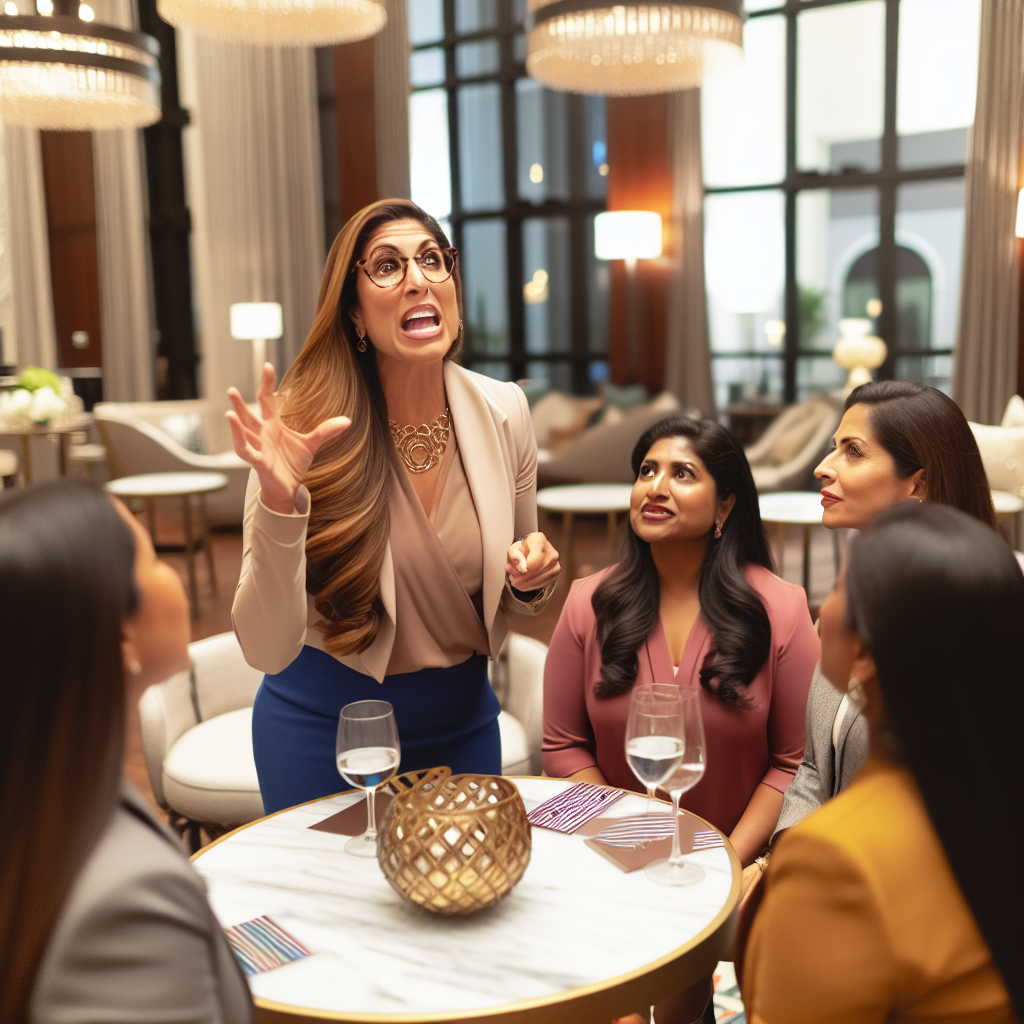
Community and collaboration also play pivotal roles in this shift. Women are forging spaces—both virtual and physical—where they can connect, share experiences, and support one another. These communities are essential in providing a sense of shared understanding and common goals, countering the isolationist tendencies of the hustle culture with a more collective and empathetic model.
Features
In recent years, various professional and medical studies have provided insights into this cultural shift, highlighting the severe implications of burnout and the benefits of reevaluating our work-life paradigms. The **World Health Organization** officially recognized burnout as an occupational phenomenon, characterizing it by feelings of energy depletion, increased mental distance from one’s job, and reduced professional efficacy. The implications of this classification have extended far beyond semantics, encouraging a reevaluation of workplace dynamics across industries worldwide.
A notable study published in the *Journal of Occupational Health Psychology* explored the effectiveness of interventions aimed at reducing burnout. The findings indicated that strategies focusing on enhancing recovery, promoting resilience, and increasing social support were beneficial in alleviating burnout symptoms. The importance of recovery time—a key aspect that hustle culture often neglects—was underscored, advocating for conscious, scheduled breaks and vacations to replenish depleted reserves.
Parallel to these findings, research by the **American Psychological Association** has highlighted the mental health benefits of maintaining a well-rounded personal life. Activities such as mindfulness practices, social engagements, and hobbies have been shown to significantly reduce anxiety and stress, contributing to a more satisfying and balanced life.
Organizations are increasingly recognizing the value in promoting work environments that prioritize employee well-being. Initiatives like flexible work arrangements, mental health days, and wellness programs are being integrated into corporate policies, indicating a positive shift towards more sustainable working conditions. This transformation isn’t solely the prerogative of businesses; individual empowerment through personal agency and choice is equally pivotal.
Moreover, studies on **positive psychology** suggest that the pursuit of intrinsic goals—those driven by personal values and passion—lead to more sustainable forms of happiness and fulfillment compared to extrinsic goals centered on external rewards and validation. This paradigm is central to the modern woman’s approach to balance, underpinning the shift away from the hustle with a more intentional pursuit of personal and professional interests that align with one’s core values.
Conclusion
As society gradually embraces this evolving narrative, it becomes clear that the hustle culture’s reign is being unseated by a more nuanced understanding of success. Modern women, through resilience and innovation, are leading the charge, rejecting burnout as a status symbol and instead fostering environments where well-being and ambition coexist harmoniously. This new model offers a more sustainable path forward, one that celebrates the myriad ways success and satisfaction can be achieved beyond the relentless hustle.
References
– [Deloitte Global Women at Work Survey](https://www2.deloitte.com/global/en/pages/about-deloitte/articles/women-at-work.html)
– [World Health Organization’s Definition of Burnout](https://www.who.int/news/item/28-05-2019-burn-out-an-occupational-phenomenon-international-classification-of-diseases)
– [Journal of Occupational Health Psychology](https://www.apa.org/pubs/journals/ocp/)
– [American Psychological Association on Mental Health Benefits](https://www.apa.org/helpcenter/)
**Concise Summary:** The article outlines how modern women are challenging the traditional “hustle culture” by redefining success to include mental well-being and personal fulfillment alongside career achievements. This shift is driven by the high rates of burnout, as highlighted in studies, emphasizing the necessity of flexibility, resilience, and community support. Organizations increasingly recognize the need to prioritize employee well-being, offering flexible working arrangements and wellness programs. Modern women are focusing on intrinsic goals aligned with personal values, fostering environments where ambition and well-being coexist, thus offering a more sustainable model of success.

Dominic E. is a passionate filmmaker navigating the exciting intersection of art and science. By day, he delves into the complexities of the human body as a full-time medical writer, meticulously translating intricate medical concepts into accessible and engaging narratives. By night, he explores the boundless realm of cinematic storytelling, crafting narratives that evoke emotion and challenge perspectives. Film Student and Full-time Medical Writer for ContentVendor.com