Harnessing Femininity: How Hormonal Phases Can Revolutionize Time Management and Productivity in Your Career
In today’s fast-paced, high-stakes world, mastering the art of **time management** and **productivity** is akin to possessing a superpower—particularly for women balancing a multitude of roles. While numerous productivity hacks promise enhanced efficiency, one often overlooked yet profoundly impactful strategy is syncing work with one’s **hormonal phases**. Understanding and aligning with these natural rhythms can empower women to optimize their work schedules, maximize their efficiency, and maintain balance in their careers and personal lives.
The female **hormonal cycle**, also known as the **menstrual cycle**, is typically around 28 days long and comprises four distinct phases: **menstrual**, **follicular**, **ovulatory**, and **luteal**. Each phase is characterized by different hormonal fluctuations which influence mood, energy levels, and cognitive function. By recognizing these shifts, women can tailor their tasks according to their natural peak performance times.
During the **menstrual phase**, hormones like **estrogen** and **progesterone** are at their lowest. This is often a period of introspection and lower energy, making it ideal for activities that require reflection and planning rather than intensive interaction or high-stakes presentations. Following this is the **follicular phase**, where estrogen starts to rise, bringing with it an increase in energy and creativity. This is a time for brainstorming sessions, strategic planning, and engaging in challenging projects.
The **ovulatory phase**, marked by the highest level of estrogen, is synonymous with peak confidence, sociability, and magnetism. Women are generally more articulate and persuasive, making it the perfect time for networking events, important meetings, and negotiations. Finally, the **luteal phase**, where progesterone rises, may lead to a more detail-oriented and methodical approach. This phase is well-suited for tasks requiring precision, follow-up, and completion of ongoing projects.
This cyclical pattern is not only intuitive but backed by research. Studies have pointed out that the varying levels of estrogen and progesterone can significantly impact cognitive functions and mood. For instance, a study published in the journal “Frontiers in Neuroscience” noted that estrogen enhances cognitive functions such as verbal memory and processing speed, explaining why women may feel more articulate and clear-headed during the ovulatory phase.
The recognition of these natural ebbs and flows allows for strategic planning that harnesses heightened periods of focus, creativity, and social adeptness. By leveraging her innate cycle, a woman can more effectively map out her career tasks to align with her natural strengths, rather than forcing productivity against the grain.
Furthermore, understanding one’s hormonal cycle is not just an aid in enhancing productivity but is pivotal in managing stress and avoiding burnout. Tailoring tasks to match the body’s natural rhythms fosters an environment of self-compassion and sustainability, recognizing that high performance is not about relentless forward thrusts, but intelligent pacing and organic growth.
Features
Decoding the relationship between hormonal phases and productivity is not merely anecdotal; it is steeped in scientific research and real-world application. Several studies provide nuanced insights into how hormonal cycles can inform work-life optimization strategies.
Research published in “[Hormones and Behavior](https://www.sciencedirect.com/science/article/pii/S0018506X17300425)” highlights that fluctuating estrogen levels are linked with changes in neurotransmitter activity, influencing mood and cognition. This explains why during the follicular and ovulatory phases, marked by rising estrogen, women often feel more energetic and mentally agile, making them better equipped for creative and social tasks.
Another study from the “[Journal of Clinical Endocrinology & Metabolism](https://academic.oup.com/jcem/article/85/12/4464/2865996)” confirms that women experiencing the luteal phase have heightened sensitivity to stress due to increased progesterone levels. This hormonal shift can lead to greater emotionality, making it a critical period for women to factor in stress management techniques, such as mindfulness and reflection, into their schedules.
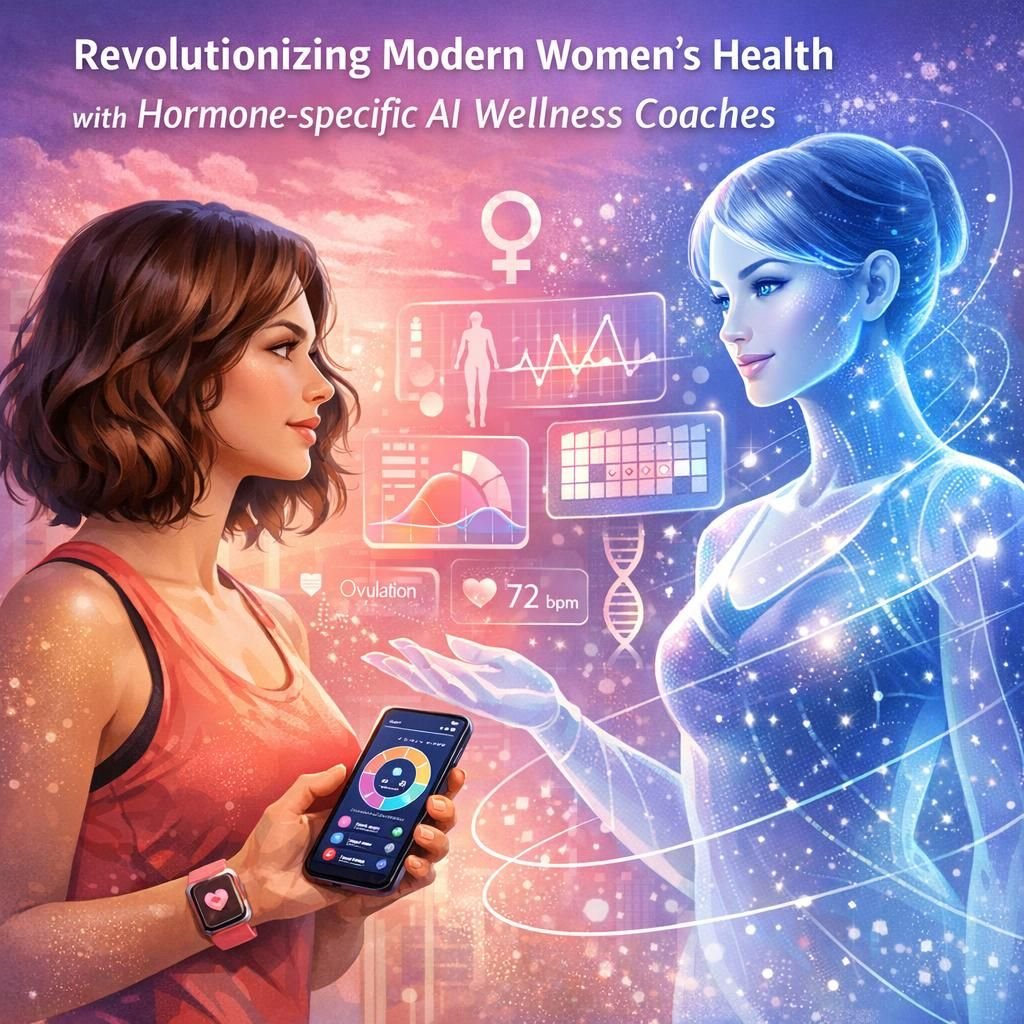
Moreover, using technology to track menstrual health, such as apps dedicated to cycle tracking, allows for practical application of scientific insights. These tools can help map out the phases accurately, empowering women to tailor their professional lives in conjunction with their hormonal phases, thereby enhancing overall productivity.
The fusion of hormonal cycle knowledge with high-level productivity tactics presents a new dimension of female empowerment. Women are encouraged not only to take charge of their cycles but to **redefine productivity paradigms** by integrating these natural rhythms into their work-life matrix, transforming potential ‘limitations’ into strategic assets.
Conclusion
By embracing the cyclical nature of femininity, women can revolutionize their approach to productivity and time management. Aligning professional tasks with hormonal phases is not simply a strategy for efficiency; it is a means of achieving harmony and authenticity in one’s career journey. Understanding and honoring these cycles allows for a bespoke approach to productivity, encouraging women to thrive by working smarter, not harder.
**References**
1. [Frontiers in Neuroscience](https://www.frontiersin.org/articles/10.3389/fnins.2019.00055/full)
2. [Hormones and Behavior](https://www.sciencedirect.com/science/article/pii/S0018506X17300425)
3. [Journal of Clinical Endocrinology & Metabolism](https://academic.oup.com/jcem/article/85/12/4464/2865996)
**Concise Summary**
Integrating knowledge of the female hormonal cycle into time management and productivity strategies allows women to synchronize work tasks with natural strengths. This approach leverages hormonal fluctuation-driven aptitudes in energy, creativity, social skills, and detail orientation. By acknowledging and adapting to these natural ebbs and flows, women can enhance efficiency and emotional balance, reducing stress and preventing burnout. Strategic alignment with hormonal phases leads to smarter, not harder productivity paradigms, promoting harmony and authenticity in professional and personal realms.

Dominic E. is a passionate filmmaker navigating the exciting intersection of art and science. By day, he delves into the complexities of the human body as a full-time medical writer, meticulously translating intricate medical concepts into accessible and engaging narratives. By night, he explores the boundless realm of cinematic storytelling, crafting narratives that evoke emotion and challenge perspectives. Film Student and Full-time Medical Writer for ContentVendor.com