Navigating the Self-Care Trap: Empowering Strategies Beyond Bubble Baths for Real Women
In today’s **fast-paced world**, the concept of **self-care** has transformed into an industry filled with luxurious **face masks**, **scented candles**, and aspirational **bubble baths**. However, these rituals barely scratch the surface of genuine self-care, especially for women balancing demanding careers and family life. Originally an act of political self-empowerment, self-care has become commercialized, often leaving women feeling inadequate. It’s crucial to redefine self-care to include sustainable strategies that enhance long-term wellness and accommodate the realities of **modern womanhood**.
Features: Exploring Research and Professional Insights
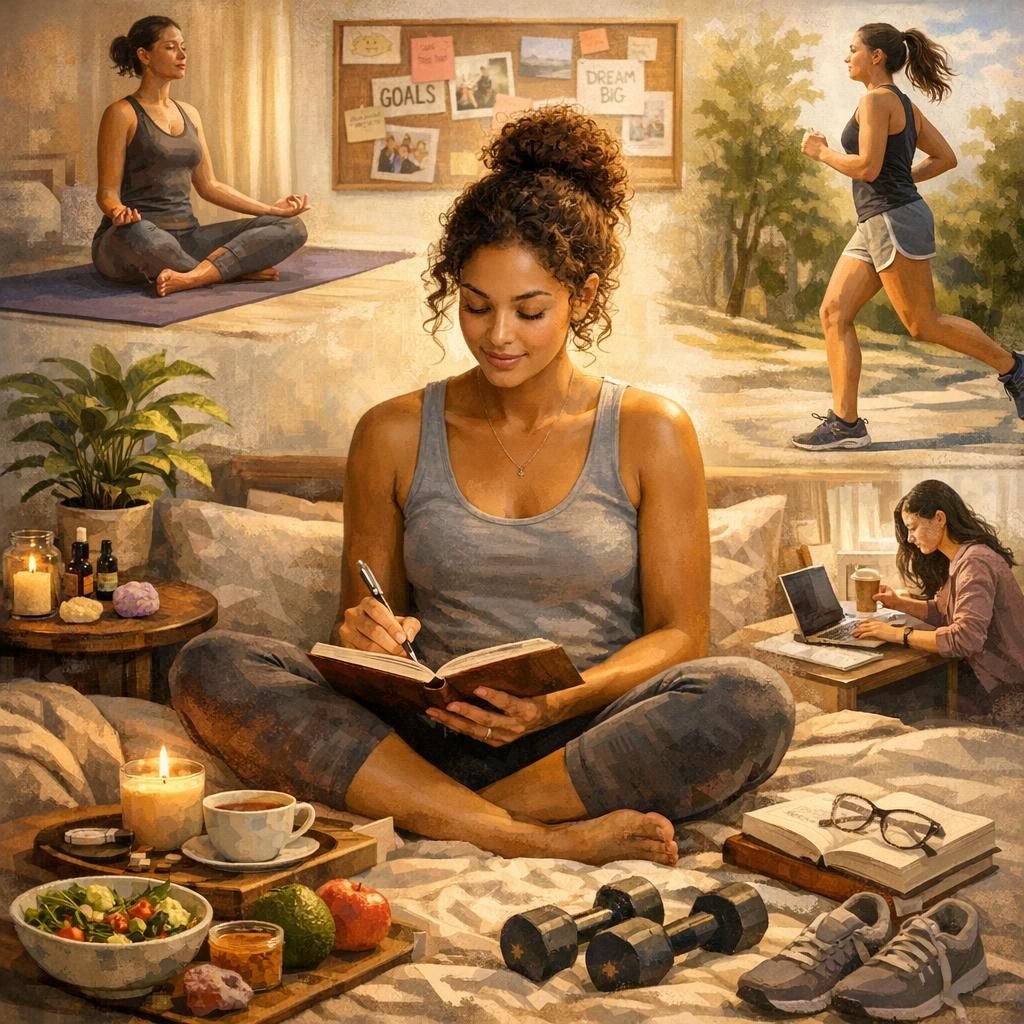
**Scientific research** emphasizes a holistic approach to self-care, extending beyond mere relaxation. A study published in the **Journal of Counseling Psychology** highlights the significance of emotional regulation, community support, and self-compassion in fostering psychological resilience. The **American Psychological Association** further suggests that self-care should involve activities tailored to diverse needs, such as physical exercise, mindful meditation, nutritious eating, and creative expression. Meanwhile, the **National Women’s Health Network** indicates that setting boundaries and community engagement lead to higher life satisfaction.
Furthermore, **mental health professionals** stress the importance of social support in self-care. The **Journal of Happiness Studies** found that women with strong social networks experience greater emotional well-being. Another important aspect is **financial wellness**; according to the **National Endowment for Financial Education**, women practicing effective financial management enjoy reduced stress and increased peace of mind.
Conclusion
To redefine **self-care**, it’s crucial to move beyond superficial practices and focus on truly nurturing strategies. By embracing a holistic approach involving emotional support, financial literacy, physical wellness, and community connection, women can make self-care a vital part of life. As we navigate modern complexities, these strategies are essential not just for self-care but for self-sustenance.
**References**
1. [Journal of Counseling Psychology](https://www.apa.org/pubs/journals/cou)
2. [American Psychological Association](https://www.apa.org/)
3. [National Women’s Health Network](https://www.nwhn.org/)
4. [Journal of Happiness Studies](https://www.springer.com/journal/10902)
5. [National Endowment for Financial Education](https://www.nefe.org/)
**Concise Summary:**
The modern self-care industry often presents superficial practices that inadequately meet real women’s needs. By redefining self-care to include emotional support, financial literacy, physical wellness, and community connection, it becomes a necessary and empowering practice. Scientific studies highlight that a holistic approach can improve mental resilience, enhance life satisfaction, and reduce stress. Self-care should be accessible, personalized, and ingrained into daily routines to achieve true well-being.

Dominic E. is a passionate filmmaker navigating the exciting intersection of art and science. By day, he delves into the complexities of the human body as a full-time medical writer, meticulously translating intricate medical concepts into accessible and engaging narratives. By night, he explores the boundless realm of cinematic storytelling, crafting narratives that evoke emotion and challenge perspectives. Film Student and Full-time Medical Writer for ContentVendor.com