##
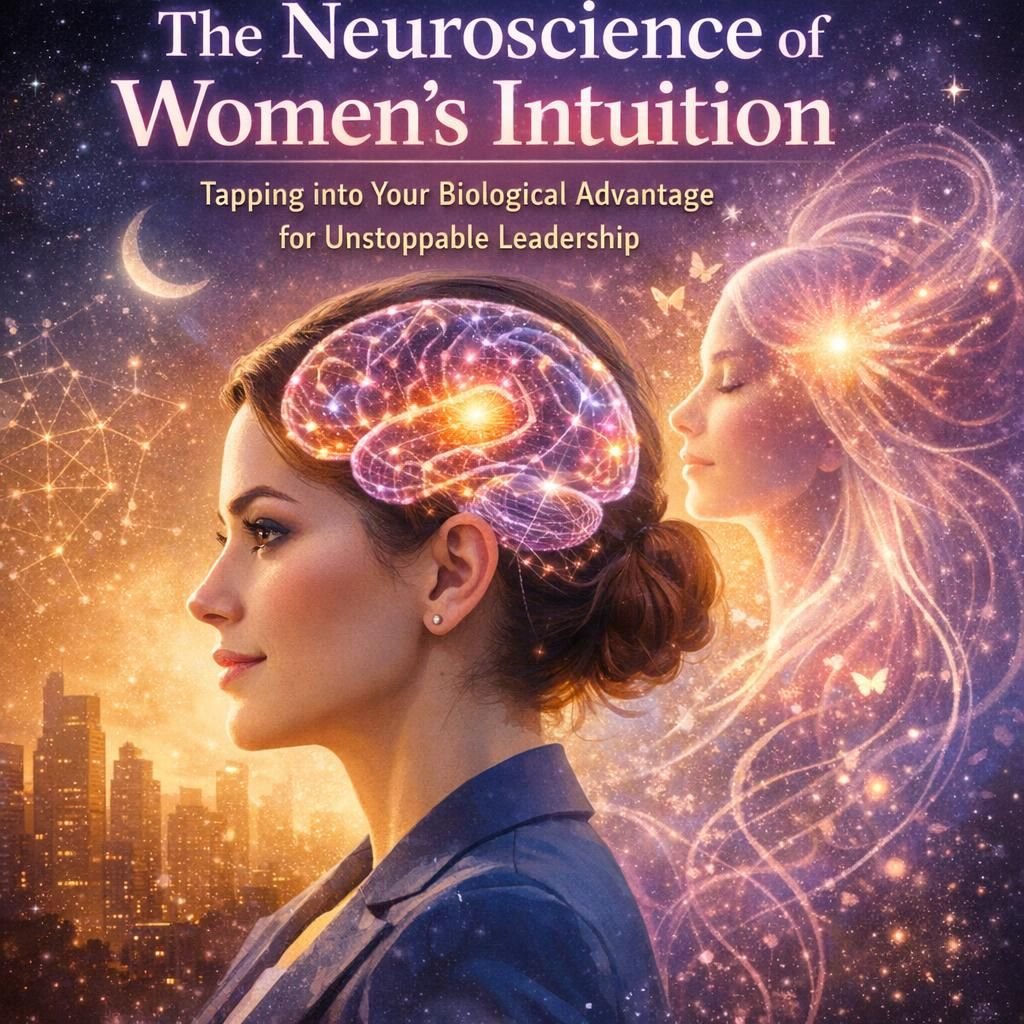
The Neuroscience of Women’s Intuition: Tapping into Your Biological Advantage for Unstoppable Leadership
**
Introduction
**
In the evolving landscape of **leadership and business**, the concept of **intuition** often surfaces as a subject of interest. While some may view intuition as mere instinctive gut feelings, emerging **neuroscience** suggests a robust **biological basis**, especially concerning **women’s intuition**. Historically revered for their ability to “sense” or “know” things, women’s intuitive prowess is now recognized as a significant advantage. Recently, this fascination has gained prominence in leadership narratives, emphasizing qualities like **empathy, foresight,** and wise decision-making. By leveraging this intuitive capacity, women can unlock their leadership potential, enabling decisions that are swift and deeply resonate with both personal authenticity and collective well-being.
Intuition is the ability to understand something immediately, without conscious reasoning. Women are believed to possess this capability, intertwined with higher levels of **empathy** and **emotional intelligence**, deeply rooted in **neurobiology**. Research suggests women have more active connections between the brain’s hemispheres, enhancing emotion processing and intuitive grasp. The hormone **oxytocin**, prevalent in women and linked to bonding and empathy, plays a significant role in intuitive thinking.
Embracing this cognitive function doesn’t mean relying solely on emotion. Instead, it encourages a balanced approach where emotional acumen complements rational analytical skills—enhancing leadership efficacy. As workplaces appreciate diverse forms of intelligence, **women’s intuition** becomes a valuable asset in the strategic framework of effective, empathetic, and transformative leadership.
**
Features
**
Several studies emphasize women’s intuitive leadership, suggesting more than just anecdotal wisdom. A **Harvard Business Review** article discussed a study by the **Center for Creative Leadership**, affirming empathy’s fundamental role in high-impact leadership, with women generally scoring higher in this domain, facilitating better interpersonal connectivity and situational awareness—a key intuitive ability component ([source](https://hbr.org/2013/09/women-rising-the-unseen-barriers)).
Moreover, neurological differences show that women’s brains typically display bilateral symmetry in processing, ensuring fuller integration of emotional and cognitive inputs. This approach is essential for intuitive reasoning. According to the **Proceedings of the National Academy of Sciences**, these differences account for women’s adeptness in perceiving and interpreting social and emotional cues, directly relating to their intuitive capabilities ([source](https://www.pnas.org/)).
**Oxytocin**, a hormone associated with empathy and social bonding, plays a crucial role in women’s intuitive processes. Published research in **Psychological Science** explored how oxytocin enhances predicting other people’s emotions, a key intuitive prowess element ([source](https://journals.sagepub.com/home/pss)).
Recognition and nurturing of these traits amplify intuition’s efficacy. Organizations benefit from training programs that foster emotional intelligence and intuitive thinking, enhancing leadership dynamics. Thus, leveraging women’s intuition serves both personal development and organizational advantage.
**
Conclusion
**
Recognizing and cultivating women’s intuition in leadership is more than equality; it enhances decision-making and interpersonal dynamics biologically. By tapping into intuitive wisdom, women can unlock profound insights, contributing to more empathetic, effective, and agile organizations. Utilizing this nuanced cognitive and emotional toolkit offers a significant strategic edge in modern leadership.
**For further reading:**
– [Women Rising: The Unseen Barriers, Harvard Business Review](https://hbr.org/2013/09/women-rising-the-unseen-barriers)
– [Proceedings of the National Academy of Sciences](https://www.pnas.org/)
– [Psychological Science](https://journals.sagepub.com/home/pss)
**
Concise Summary
**
The article delves into the role of women’s intuition in leadership, highlighting its biological foundation. Women’s heightened **empathy** and **emotional intelligence**—rooted in their **neurobiology**—enables them to make swift, authentic decisions, contributing beneficially to leadership roles. The integration of emotional and cognitive inputs, facilitated by oxytocin and bilateral brain connections, enhances women’s intuitive capabilities. Recognizing and nurturing these traits within organizational frameworks promotes empathetic, effective, and agile leadership dynamics. By leveraging women’s intuition, organizations can foster strategic, transformative leadership benefits.

Dominic E. is a passionate filmmaker navigating the exciting intersection of art and science. By day, he delves into the complexities of the human body as a full-time medical writer, meticulously translating intricate medical concepts into accessible and engaging narratives. By night, he explores the boundless realm of cinematic storytelling, crafting narratives that evoke emotion and challenge perspectives. Film Student and Full-time Medical Writer for ContentVendor.com