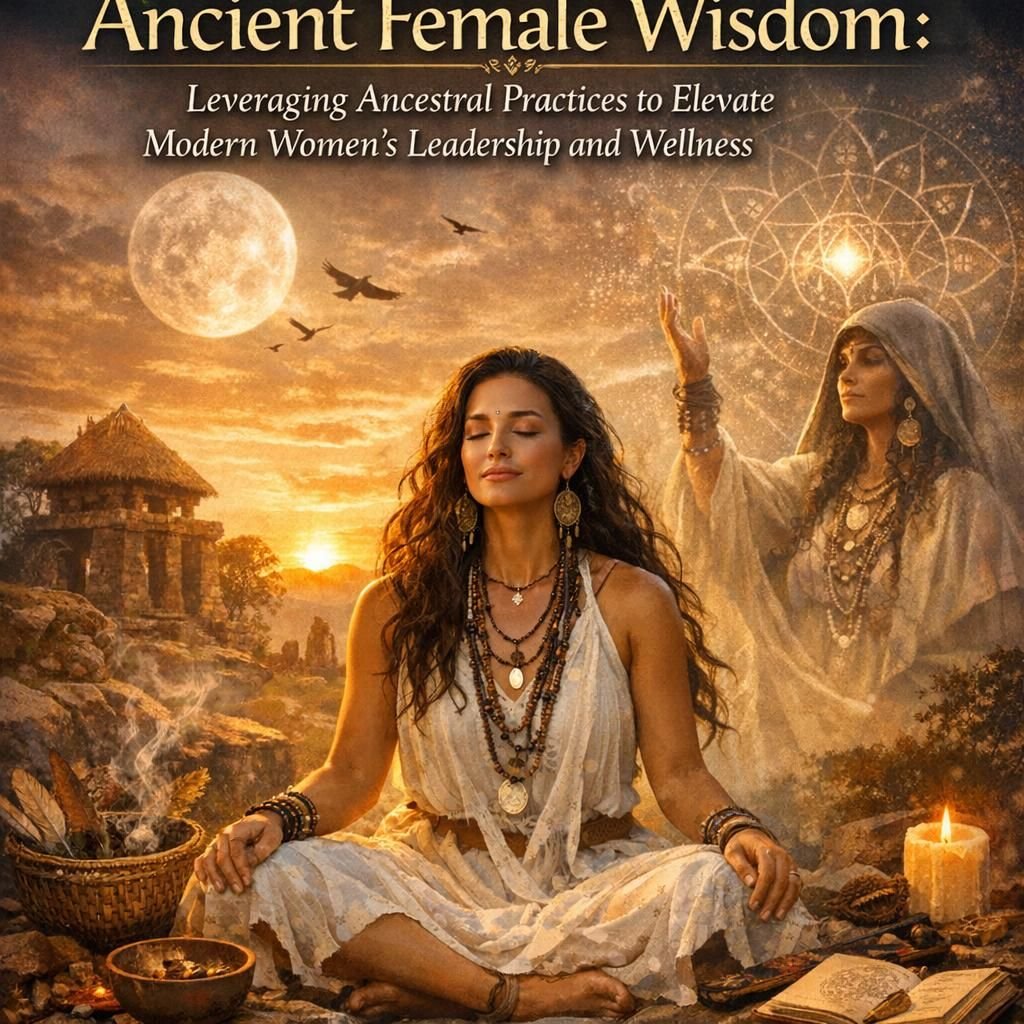
Harnessing Feminine Archetypes for Next-Level Leadership: A Game-Changer for Empowered Women in Business
Introduction
In the dynamic world of business, leadership paradigms are constantly evolving. Traditionally, leadership has leaned heavily on **masculine traits** such as assertiveness, competitiveness, and dominance. However, in recent years, there has been a paradigm shift recognizing the value of **feminine archetypes**—such as intuition, empathy, and collaboration—in leadership roles. These archetypes, which encompass a range of characteristics once undervalued in corporate settings, are now being harnessed to propel women to new heights within their professional journeys. Feminine archetypes represent an array of attributes that lie beyond gender-specific stereotypes, embracing qualities that can be found inherently within individuals of all genders. Archetypes such as the **Caregiver**, the **Maiden**, the **Huntress**, and the **Queen** symbolize the multifaceted nature of women and their potential for diverse leadership styles. By aligning leadership approaches with these archetypes, women in business are not only shattering glass ceilings but also redefining what effective leadership truly means.
For empowered women in business, the application of these archetypes offers numerous advantages. Research has shown that businesses with gender-diverse leadership are more innovative, financially successful, and resilient. The integration of traditionally “feminine” leadership traits fosters a work environment that values inclusivity, emotional intelligence, and a holistic approach to problem-solving. Moreover, women who embrace these archetypes report higher levels of personal and professional fulfillment, as they lead authentically and with purpose.
As the corporate world acknowledges the limitations of a one-dimensional leadership model, the embrace of feminine archetypes as vital leadership resources is proving to be a game-changer. Women empowered by these archetypes are not only achieving success, but they are also contributing to a broader transformation in business culture—one that embraces diversity, empathy, and holistic growth as pathways to enduring success. This insightful approach is pivotal for those seeking to navigate their leadership journey authentically and resiliently, paving the way for a new era of empowered women leaders.
Features
The concept of feminine archetypes in leadership draws from both psychological theories and cultural narratives. **Carl Jung’s theories** on archetypes provide a foundation for understanding how these universal symbols influence personality and leadership styles. Jung identified archetypes as fundamental components of the human psyche, offering a holistic view of personal development and potential. [Carl Jung’s Archetypes](https://www.psychologytoday.com/us/basics/jungian-archetypes) have served as a theoretical backbone for exploring how embracing these elements can guide women’s leadership styles.
A study published in the **Journal of Applied Psychology** found that leaders who incorporate empathy—a characteristic often associated with feminine archetypes—demonstrate better team performance and higher job satisfaction among employees. The study underscores the importance of emotional intelligence, stating that leaders who are self-aware and empathetic create more inclusive and productive work environments. [Empathy in Leadership Study](https://journals.aom.org/doi/abs/10.5465/amj.2018.0056).
Moreover, the integration of feminine archetypes into leadership has been supported by research highlighting the positive impact of diverse leadership teams. A **McKinsey & Company report** established a correlation between gender-diverse executive teams and financial performance, indicating that companies in the top quartile for gender diversity on executive teams are 21% more likely to outperform their peers on profitability. [McKinsey Diversity Report](https://www.mckinsey.com/business-functions/organization/our-insights/delivering-through-diversity).
In healthcare, studies have shown that **female doctors** who express feminine archetypal traits such as nurturing and compassion have higher patient satisfaction levels. A **Harvard study** indicated that patients treated by female surgeons had lower readmission rates compared to those treated by male surgeons, emphasizing the efficacy of these archetypal qualities in practice. [Harvard Study on Female Doctors](https://jamanetwork.com/journals/jamasurgery/fullarticle/2771766).
By understanding and harnessing feminine archetypes, women in business can cultivate a leadership style that not only challenges traditional norms but also fosters sustained success. This approach advocates for a leadership model that prioritizes well-being, inclusivity, and ethical responsibility—integral components of the thriving businesses of tomorrow.
Conclusion
The exploration of feminine archetypes as a framework for leadership provides a transformative approach for women seeking to redefine their roles in business. By aligning with these archetypal traits, women empower themselves to lead with authenticity, resilience, and empathy, contributing to a new narrative in leadership that values diversity and emotional intelligence as cornerstones of success. This approach not only augments personal growth but also enhances organizational climate, heralding a new era of visionary, inclusive, and dynamic leadership.
**Concise Summary:** Embracing **feminine archetypes** such as intuition, empathy, and collaboration is revolutionizing leadership in business. Archetypes like the Caregiver, Maiden, Huntress, and Queen empower diverse leadership styles, enhancing innovation and success. Studies confirm that integrating these traits boosts team performance and financial outcomes. By challenging traditional norms, women foster inclusive, ethically responsible environments. This marks a transformative shift for empowered women leaders, heralding a new narrative valuing emotional intelligence and diversity in business.

Dominic E. is a passionate filmmaker navigating the exciting intersection of art and science. By day, he delves into the complexities of the human body as a full-time medical writer, meticulously translating intricate medical concepts into accessible and engaging narratives. By night, he explores the boundless realm of cinematic storytelling, crafting narratives that evoke emotion and challenge perspectives. Film Student and Full-time Medical Writer for ContentVendor.com