Redefining the Perfect Woman: Navigating Life Beyond Stereotypes in Wellness and Leadership
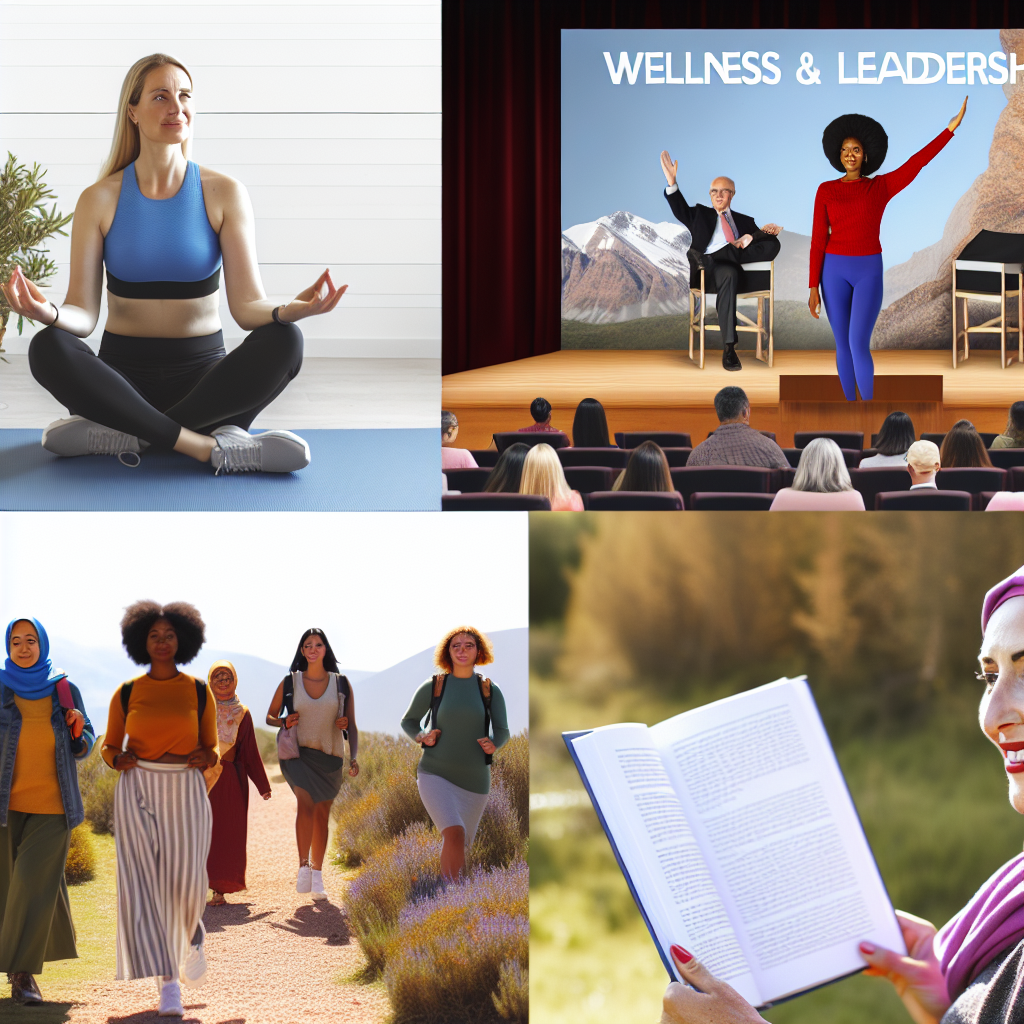
In the realm of luxury and refinement, there exists a narrative that has long depicted the so-called “**perfect woman**” as an epitome of both beauty and subservience, mostly driven by enduring **stereotypes**. However, in today’s world, those stereotypes are not only outdated but actively being dismantled by women who are rewriting the rules of **wellness** and **leadership**. The 21st century heralds a new era where women are not only challenging traditional expectations but also redefining what it means to be successful in both personal and professional domains.
For centuries, the image of the ideal woman has been cultivated by societal expectations, which have often restricted women’s roles to fit narrow, gender-specific molds. From being the nurturer and caregiver to being flawless in appearance, these stereotypes have long dictated women’s choices, often overlooking their potential outside these conventional roles. However, an increasing awareness of **gender equality** and **empowerment** is promoting a radical shift. Women today are blazing trails in corporate boardrooms, spearheading innovative startups, and carving niches in previously male-dominated fields, all while advocating for a holistic approach to wellness that honors both mind and body.
This redefinition of the perfect woman also coincides with a broader understanding of wellness as encompassing mental, emotional, and physical health. No longer is it acceptable to prioritize only external beauty or physical fitness while ignoring inner well-being. Instead, women are championing a balanced approach that includes **mindfulness**, **emotional intelligence**, and **self-care**. This evolution is supported by businesses and brands dedicated to supporting women’s aspirations and acknowledging their contributions at every level of society. As women embrace their multifaceted identities, they are simultaneously shattering glass ceilings and promoting inclusive practices that benefit all.
The journey towards redefining the perfect woman is not without its challenges. The clash between traditional expectations and contemporary aspirations can sometimes create tension, both internally and externally. However, with more women stepping into leadership roles and sharing their diverse experiences, a more inclusive and authentic narrative is emerging. By celebrating individuality and nurturing diverse talents, women are not only surviving but thriving in spaces that were once thought unattainable.
Features:
Several professional and academic studies shed light on how women are navigating and thriving beyond stereotypes in wellness and leadership. A notable study by the **Harvard Business Review** emphasizes that women in leadership bring unique perspectives and skills that enhance organizational performance. Women are found to excel in leadership competencies such as problem-solving, inspiring and motivating others, and displaying integrity and honesty. These attributes not only contribute to individual success but also promote organizational excellence and innovation.
Additionally, a study published in the **Journal of Happiness Studies** explores the positive correlation between women’s leadership roles and their overall well-being. It found that women who assume leadership positions often experience greater job satisfaction and a higher sense of purpose, contributing to improved mental health. This research underscores the importance of dismantling stereotypes that limit women’s leadership opportunities, highlighting how fulfilling roles that align with their talents enhances well-being and professional success.
On the wellness front, a study from the **American Journal of Public Health** demonstrated that women who engage in regular mindfulness practices report lower stress levels and improved emotional regulation. This shift towards embracing holistic wellness practices, such as yoga, meditation, and mindfulness, empowers women to balance the demands of leadership with the nurturing of their well-being. It signals a vital recognition that maintaining mental health is as crucial as achieving professional milestones.
The combination of leadership and wellness not only challenges outdated stereotypes but also offers a blueprint for lasting success and fulfillment. By embracing a holistic lifestyle, women are redefining boundaries and paving the way for future generations to excel without compromising their health or aspirations.
Conclusion:
The journey to redefine the perfect woman involves courage, determination, and the unyielding pursuit of authenticity. By breaking away from stereotypes and embracing holistic wellness alongside leadership, women are charting new territories where success is measured by individual fulfillment and collective impact. As society continues to evolve, the perfect woman is one who lives unapologetically, enhancing her own life and the world around her.
**Concise Summary:**
The narrative of the “perfect woman” is rapidly evolving, as modern women redefine success by challenging traditional stereotypes in both wellness and leadership. Women are advancing in careers traditionally dominated by men, while also championing a holistic approach to wellness, incorporating mindfulness and emotional intelligence. Leadership studies affirm their unique contributions to organizational excellence, boosting both performance and personal well-being. By dismantling outdated views and embracing authenticity, women today inspire new norms that emphasize balanced success, paving the way for future generations.
**References:**
1. [Harvard Business Review on Women in Leadership](https://hbr.org/2020/12/research-how-women-demonstrate-more-effective-leadership-than-men)
2. [Journal of Happiness Studies on Leadership and Well-being](https://link.springer.com/article/10.1007/s10902-019-00199-x)
3. [American Journal of Public Health on Mindfulness and Women’s Health](https://ajph.aphapublications.org/doi/10.2105/AJPH.2015.302935)

Dominic E. is a passionate filmmaker navigating the exciting intersection of art and science. By day, he delves into the complexities of the human body as a full-time medical writer, meticulously translating intricate medical concepts into accessible and engaging narratives. By night, he explores the boundless realm of cinematic storytelling, crafting narratives that evoke emotion and challenge perspectives. Film Student and Full-time Medical Writer for ContentVendor.com