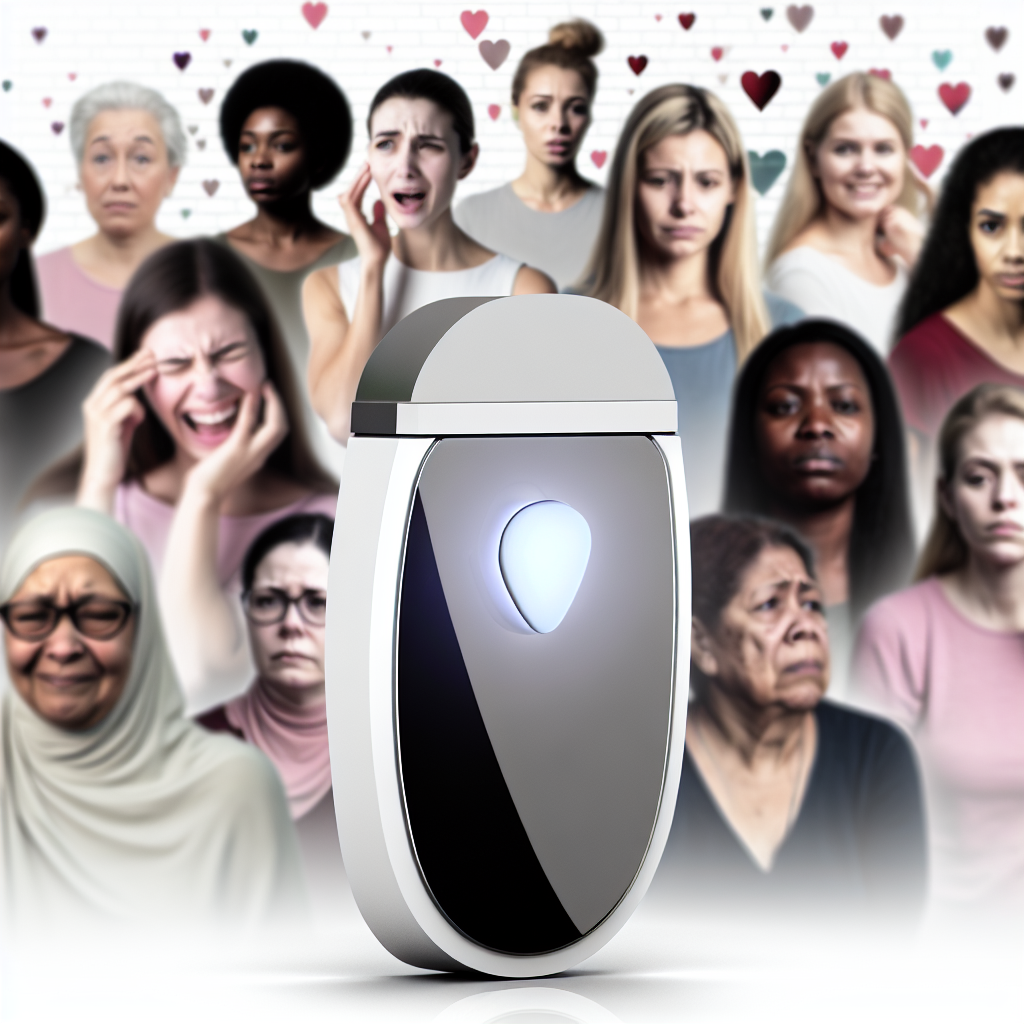
Why “Self-Care” Sabotages Female Leaders: The Case for Strategic Restoration Over Mindless Rituals
**Introduction**
In a world where success is often measured by productivity and accomplishments, the concept of **self-care** has found a broad audience among professional women seeking balance and rejuvenation. The term has since ballooned into a multi-billion-dollar industry, branding everything from scented candles to meditation apps as essential tools for inner peace. However, there’s a growing concern that the commercial packaging of self-care might be sabotaging female leaders more than it’s serving them. Rather than offering genuine respite and sustainability, this commercialized version of self-care often fosters temporary indulgence devoid of substantial benefits.
For female leaders, the stakes are even higher. The pressure to perform, break glass ceilings, and maintain a façade of endless energy can make any form of real downtime seem like a wasteful luxury. Historically, women have been conditioned to put others first, leading to a skewed sense of self-worth tied to their outward performance and success. Often, self-care is seen as a panacea for stress and burnout, but when it’s reduced to fleeting indulgences, it offers little in the way of authentic restoration. Instead, these perfunctory rituals often divert attention from addressing real systemic challenges and cultivating meaningful well-being strategies that empower women from within.
Strategic restoration offers a more sustainable approach, shifting the focus from mere rituals to deeply-rooted practices that support genuine mental and emotional health. Unlike self-care fads, which might involve a spa day or an expensive wellness retreat, strategic restoration encompasses a personalized, intentional plan to rejuvenate the mind, body, and spirit. It involves evaluating one’s lifestyle, setting clear boundaries, and prioritizing practices that bolster long-term mental and physical well-being. For female leaders, it’s an opportunity to recharge their leadership capabilities from a place of strength rather than superficial fixes.
Features
The missteps of self-care are well-documented in both professional circles and medical literature. For instance, a study published in the [*Journal of Occupational Health Psychology*](https://www.apa.org/pubs/journals/ocp) outlines how surface-level self-care practices, such as occasional spa visits or beauty treatments, often result in limited cognitive and emotional recuperation. It emphasizes the necessity of strategic engagement, where restorative practices are integrated into daily life with the intention of supporting long-term wellness.
Another enlightening article published in the [*Harvard Business Review*](https://hbr.org/2020/09/why-leadership-training-fails-and-what-to-do-about-it) highlights how superficial self-care practices can mislead high-achieving women into thinking they are taking care of themselves, while, in fact, contributing little to their holistic well-being. The article encourages female leaders to adopt a more comprehensive approach by incorporating mindful activities such as meditation, exercise, and adequate sleep into daily routines. Not only do these activities have proven mental health benefits, but they also contribute to enhanced creative thinking and decision-making skills.
Additionally, research from the [*American Psychological Association*](https://www.apa.org/news/press/releases/stress/burnout) showcases how strategic restoration plays a crucial role in reducing burnout. The study underscores the need for intentional relaxation techniques and stress management practices that include cognitive behavioral strategies, thereby promoting resilience and reducing the impact of stressors.
Each of these studies points to the essential truth: real care for oneself isn’t about pampering sporadically but is about a consistent, deliberate approach to rest and rejuvenation. It involves scientific grounding—learning how stress affects the body and mind and making informed choices that enhance one’s overall lifestyle. For female leaders, this means moving beyond the mainstream narrative of self-care and advocating for strategic restoration as a path to sustained excellence and leadership vitality.
Conclusion
While the allure of self-care as a quick fix is strong, it falls short of offering enduring benefits to female leaders. Instead, **strategic restoration**—mindful, continuous, and intentional—presents a powerful alternative. By focusing on meaningful, sustainable practices that support overall well-being, female leaders can better navigate their demanding roles with clarity and resilience. It’s time to redefine what it means to care for oneself, making restoration a priority for lasting change in both personal and professional realms.
**References**
1. [American Psychological Association – Beyond Burnout](https://www.apa.org/news/press/releases/stress/burnout)
2. [Journal of Occupational Health Psychology](https://www.apa.org/pubs/journals/ocp)
3. [Harvard Business Review – The Truth About Workplace Well-being Programs](https://hbr.org/2020/09/why-leadership-training-fails-and-what-to-do-about-it)
**Concise Summary**
The commercialized notion of self-care often misleads female leaders into temporary indulgences rather than fostering genuine well-being. Self-care should transition into strategic restoration, which encompasses holistic, intentional practices for mental and emotional resilience. Studies show that superficial rituals lack long-term benefits, whereas consistent approaches like meditation or exercise enhance leadership vitality. By prioritizing intentional rejuvenation, female leaders can sustain excellence and thrive professionally and personally.

Dominic E. is a passionate filmmaker navigating the exciting intersection of art and science. By day, he delves into the complexities of the human body as a full-time medical writer, meticulously translating intricate medical concepts into accessible and engaging narratives. By night, he explores the boundless realm of cinematic storytelling, crafting narratives that evoke emotion and challenge perspectives. Film Student and Full-time Medical Writer for ContentVendor.com