The Hidden Cost of “High Vibe” Wellness: How Positivity Culture Is Burning Out Modern Women
In recent years, the ethos of “**high vibe**” living has become an aspirational benchmark for many modern women. This **wellness trend** encourages embracing perpetual positivity, energy alignment, and an unwavering focus on manifesting an abundant lifestyle. From Instagram influencers advocating positivity mantras to yoga classes designed to elevate vibrations, the “high vibe” concept has permeated various facets of women’s lives. At first glance, this seems like a wonderfully transformative way to live. However, beneath the glossy exterior of **motivational quotes** and attitude adjustment is an emerging narrative: the burnout many women face as they chase the idea of always being in a high vibrational state.
The core concept of “high vibe” living revolves around maintaining a **positive mental state** to attract similar energies, a principle often derived from the **Law of Attraction**. In theory, living “high vibe” promises a life of health, prosperity, and happiness. However, the intense focus on relentless positivity can often leave women feeling exhausted and inadequate when they cannot maintain these ideals. The demand to constantly emit positive energy overlooks the complexities of human emotions and can make women feel guilty for experiencing anything outside perpetual happiness.
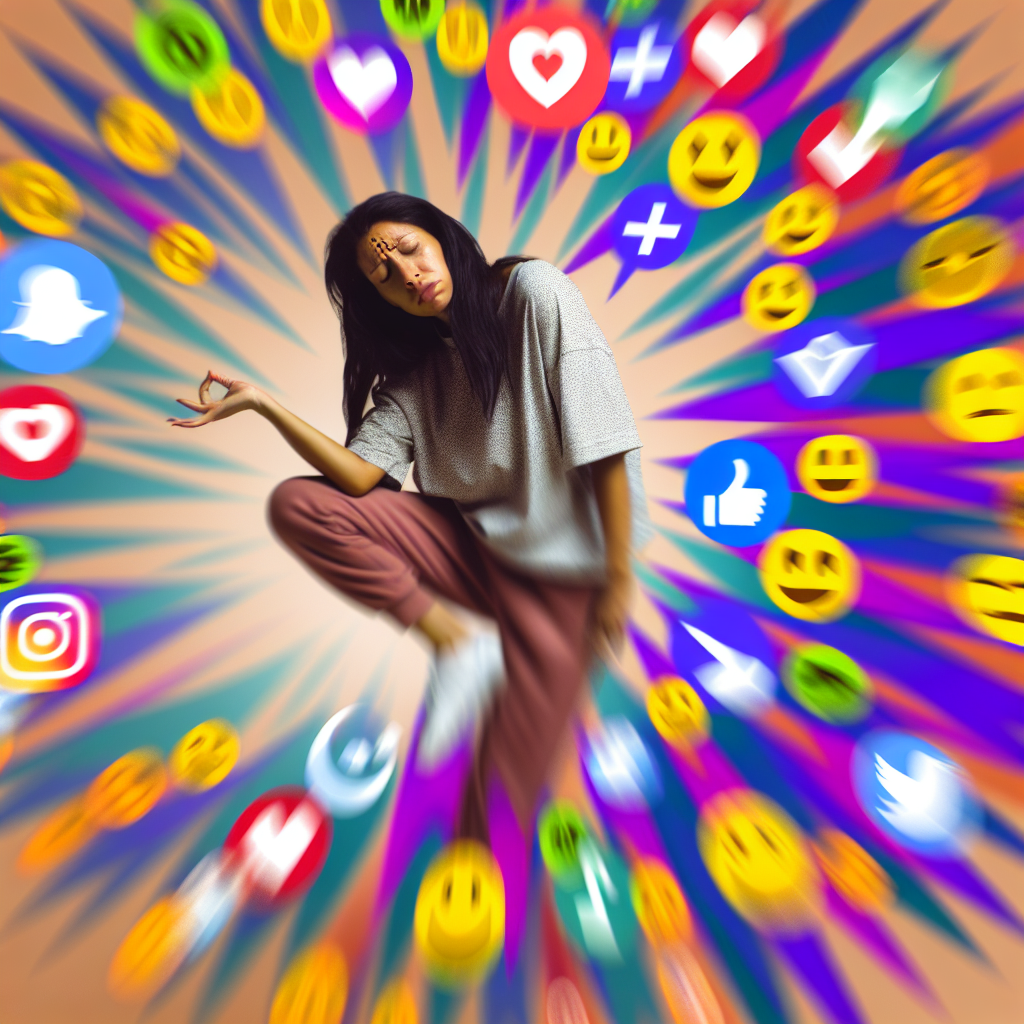
*Expansion: In workplace environments, this relentless positivity is often tied to metrics of success and job satisfaction.* Employees are encouraged to remain upbeat and solution-focused, leading to the suppression of legitimate concerns, stressors, and pressures, which, if left unchecked, can manifest into burnout. In personal relationships, there’s a similar pressure to maintain a balanced and happy demeanor, often at the expense of genuine emotional expression. Social media compounds this pressure, creating an environment where women are bombarded with curated **positive lifestyles** that seem both aspirational and unattainable. This bombardment leaves little room for authenticity and self-compassion. Furthermore, the culture often dismisses the scientific understanding of mental health by suggesting negative feelings can be transformed through the right mindset.
Professional Insights into Positivity Culture
Several professional and medical studies highlight the detrimental effects of forced positivity on overall well-being. According to research published in *Personality and Social Psychology Bulletin*, the insistence on maintaining constant positivity may actually induce guilt and shame, as individuals are led to believe they are failing if not perpetually happy. The study illustrates that forced positivity could potentially be more harmful than allowing oneself to experience and process negative emotions.
Moreover, the **American Psychological Association** points out that **emotional suppression**, intertwined with positivity culture, can lead to significant mental health issues, including anxiety and depression. By not acknowledging authentic negative feelings, women risk damaging their emotional resilience. Studies indicate that recognizing a range of emotions can empower individuals to handle stress better and improve overall mental health, contradicting the oversimplified “high vibe” narrative.
Dr. **Susan David**, a psychologist at Harvard Medical School, discusses the pitfalls of what she refers to as “toxic positivity” in her book: *_Emotional Agility_*. She emphasizes the need for emotional honesty as crucial for thriving mentally and emotionally. An overemphasis on maintaining a continually positive outlook disallows the natural ebb and flow of emotions, integral to personal growth.
Understanding these professional insights reveals that modern wellness culture, while well-intentioned, might inadvertently contribute to reduced mental health welfare. A holistic approach acknowledging a spectrum of emotions leads to genuine well-being instead of short-lived high-vibe aesthetics.
Conclusion
While the notion of high-vibe living carries numerous appeals, modern women must recognize the hidden costs associated with unrelenting positivity culture. Embracing the full spectrum of human emotions, rather than suppressing them, can foster authentic well-being and prevent burnout within this aspirational lifestyle model. Balancing positivity with emotional authenticity paves the way for a truly fulfilling and healthy life.
**References**
– [American Psychological Association](https://www.apa.org/news/press/releases/stress/2017/state-nation-mental-health)
– Dr. Susan David’s book *Emotional Agility* can be further explored through [her website](https://www.susandavid.com/new-index)
**Concise Summary:** The trend of “high vibe” wellness, promoting relentless positivity, often leads to burnout among women who strive to maintain this facade. The insistence on positivity, rooted in the Law of Attraction, can overlook genuine emotions, resulting in exhaustion and guilt. Professional insights highlight the dangers of toxic positivity, suggesting that embracing a full range of emotions can enhance mental health and resilience, contrary to the “high vibe” narrative.

Dominic E. is a passionate filmmaker navigating the exciting intersection of art and science. By day, he delves into the complexities of the human body as a full-time medical writer, meticulously translating intricate medical concepts into accessible and engaging narratives. By night, he explores the boundless realm of cinematic storytelling, crafting narratives that evoke emotion and challenge perspectives. Film Student and Full-time Medical Writer for ContentVendor.com