Why Burnout Is a Feminist Issue: Rethinking “High Performance” Through a Hormonal Lens
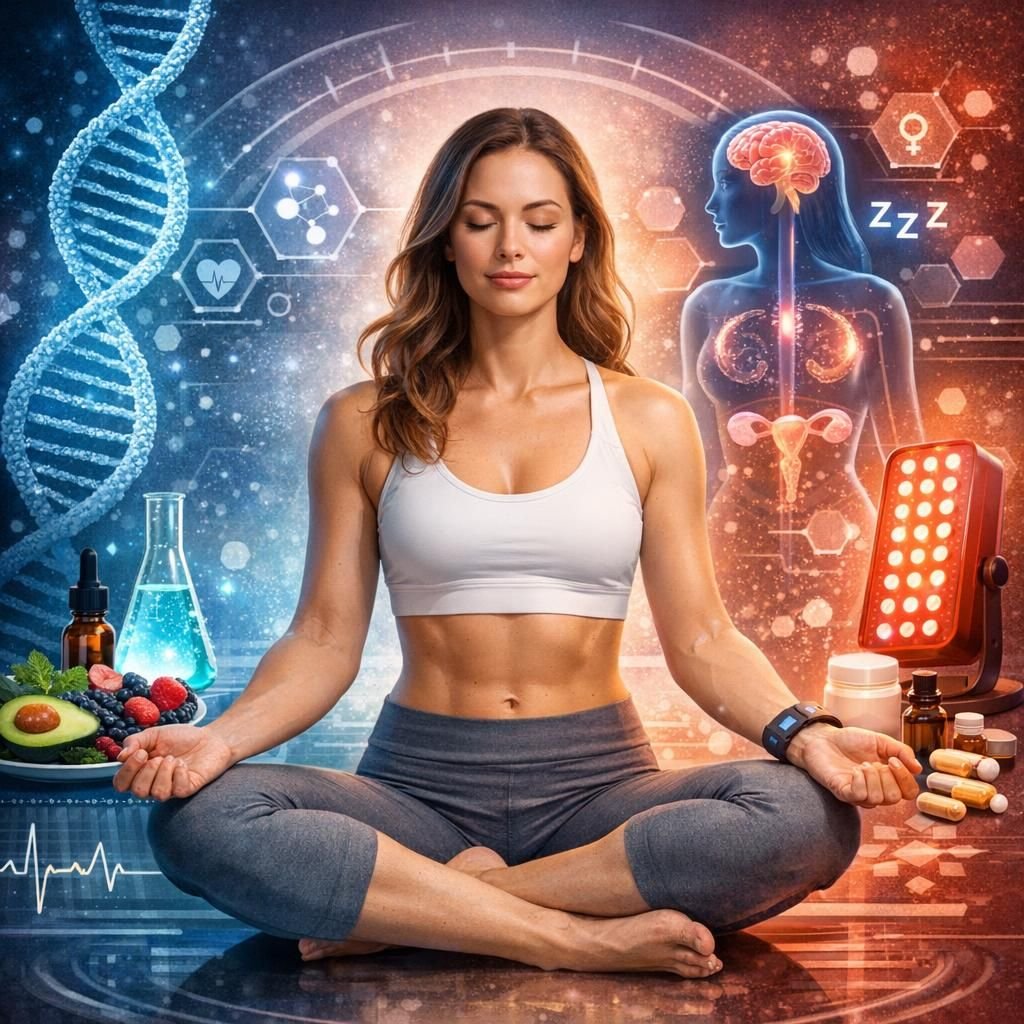
In today’s fast-paced world, the concept of **high performance** has become a badge of honor, especially among women striving to juggle careers, family, social obligations, and personal growth. However, the relentless pursuit of excellence can lead to **burnout**, a state of chronic physical and emotional exhaustion often accompanied by feelings of cynicism, detachment, and ineffectiveness. Historically addressed as a universal workforce issue, the conversation around burnout often lacks a nuanced understanding of how it disproportionately affects women. The modern high-performance culture underappreciates the unique **hormonal** shifts that women experience, making burnout not just a workplace issue but a feminist one.
The traditional narrative of working hard, achieving more, and breaking glass ceilings often downplays the physical and mental toll it takes on women. Women are more likely to be burdened with caregiving responsibilities, and societal expectations compound this stress. Layered over these responsibilities is the complex interplay of hormones that influence women’s health and emotional wellbeing throughout their life stages—from menstruation and pregnancy to menopause. Understanding this relationship is crucial in addressing burnout among women effectively. Recognizing that these stages present unique stressors and challenges, conversations have arisen about how environments can adapt to better support the hormonal and emotional needs of women.
Recent discussions in feminist circles have brought attention to how traditional workplaces are designed around male-centric work patterns, where hormonal changes have little interference with productivity. Unfortunately, this creates an environment where women feel pressured to conform to performance standards that don’t accommodate their unique physiological needs. The burden of aligning with these standards contributes significantly to burnout, affecting not just their careers but their entire quality of life. By examining women’s hormonal cycles, we can start redefining how high performance is measured, creating a healthier, more inclusive work environment.
Features
Studies have shown that hormonal fluctuations uniquely impact women’s stress responses. According to research published in the journal **[Stress](https://www.tandfonline.com/doi/full/10.1080/10253890701434901)**, the menstrual cycle, pregnancy, postpartum, and menopause stages are critical periods where women experience significant hormonal changes that influence stress vulnerability and recovery. For instance, during the luteal phase of the menstrual cycle, elevated progesterone levels can impact mood, energy levels, and stress tolerance. The hormonally driven variability in stress response underscores the need for more personalized approaches to managing stress and preventing burnout among women.
A 2019 study in **[Frontiers in Neuroendocrinology](https://www.frontiersin.org/articles/10.3389/fnins.2019.00010/full)** highlights how estrogen influences the brain’s stress response, suggesting that women might have different stress adaptation mechanisms compared to men. This implies that traditional measures of “high performance” may not accurately reflect a woman’s capability or potential during various hormonal phases. Moreover, the interplay of estrogen and cortisol, the stress hormone, cannot be overstated. Their interaction significantly affects fatigue and mood, defining the threshold for burnout differently in women compared to men.
Additionally, the **[American Psychological Association](https://www.apa.org/news/press/releases/stress/2012/gender)** has acknowledged that women report higher stress levels than men, with a significant portion stemming from work-related stress. Given that women are more likely to seek flexible work solutions or take career breaks, there’s an indication that the current structure does not support their needs, pushing them towards burnout.
By rethinking high performance through a hormonal lens, there’s potential to develop work environments that are more accommodating of these physiological differences. Healthcare providers and employers must be proactive in considering these differences to prevent burnout. Clinical studies advocating **hormone therapy** and **stress management programs** targeted at women-specific needs suggest pathways to mitigate the stress burden. These proactive measures can help create a work environment that respects and responds to the unique needs of women, particularly during critical hormonal phases.
Conclusion
To combat burnout effectively and equitably, the framework of high performance must evolve to consider the hormonal dynamics unique to women. By adopting a more inclusive approach that acknowledges these biological realities, we can create better healthcare policies and work environments that empower women to thrive without sacrificing their wellbeing. Addressing burnout as a feminist issue and through a hormonal lens not only champions equality but also fosters a healthier, more productive society.
**Concise Summary:**
Burnout, often seen as a universal issue, disproportionately affects women due to hormonal shifts across their life stages such as menstruation, pregnancy, and menopause. The existing high-performance culture, largely designed around male-centric patterns, fails to accommodate these physiological needs, pushing women towards burnout. Research links hormonal fluctuations with unique stress responses, underlining the need for more inclusive workplaces. By redefining productivity standards and advocating for tailored stress management, we can prevent burnout and create a healthier, more equitable work environment that acknowledges women’s hormonal realities.

Dominic E. is a passionate filmmaker navigating the exciting intersection of art and science. By day, he delves into the complexities of the human body as a full-time medical writer, meticulously translating intricate medical concepts into accessible and engaging narratives. By night, he explores the boundless realm of cinematic storytelling, crafting narratives that evoke emotion and challenge perspectives. Film Student and Full-time Medical Writer for ContentVendor.com